
That jarring sound of a rock hitting your windshield is enough to ruin anyone’s day. Suddenly, you’re left with a spiderweb crack and a long list of questions. Can this be repaired, or do I need a full replacement? How long will I be without my car? And what is this going to cost me? Dealing with a damaged window can feel stressful, but it doesn’t have to be complicated. This guide is here to walk you through everything you need to know about the auto glass car window replacement process, from assessing the damage to understanding the final bill, so you can get back on the road with confidence and clarity.
Key Takeaways
- Focus on a safe installation, not just new glass: Your windshield is essential for your car’s structural integrity and safety systems. Insist on certified technicians, quality materials, and mandatory ADAS recalibration to ensure everything works as it should.
- Act on small chips to avoid big bills: A minor chip can easily spread, turning an inexpensive repair into a full replacement. Addressing damage right away is the smartest way to manage costs and prevent a bigger headache down the road.
- Let your insurance do the heavy lifting: Don’t assume you have to pay the full cost yourself. Most comprehensive insurance policies cover glass replacement, often with no impact on your rates, so always check your coverage before scheduling a service.
Auto Glass Replacement 101: What to Know
Dealing with a damaged car window can feel overwhelming, but understanding the basics makes the process much smoother. From tiny chips to full-blown shatters, knowing what you’re up against helps you make the best decision for your vehicle and your safety. Let’s walk through what you need to know about auto glass damage, common myths, and the critical role your car’s glass plays in keeping you safe on the road.
Common Types of Auto Glass Damage
Auto glass damage comes in many forms, and not all of them require a full replacement. A small rock can cause a chip, which looks like a small pit in the glass. You might also see cracks, which can appear as a starburst, a bull’s-eye, or a long line spreading across the glass. While many small chips can be fixed with a simple windshield chip repair, larger cracks or damage directly in the driver’s line of sight usually mean it’s time for a replacement. Side and rear windows are made from tempered glass, which is designed to shatter into small, dull pieces upon impact, so damage to these almost always requires a new window.
Myths vs. Facts About Glass Replacement
It’s easy to fall for common myths about auto glass, but getting the facts straight can save you time and money. One of the biggest misconceptions is that a tiny chip is no big deal. In reality, that small chip can easily spread due to temperature changes or even just the vibrations from driving, turning a simple repair into a costly replacement. Many people also believe that all auto glass is created equal, but the quality of the glass and adhesives used is crucial for a safe installation. It’s always best to have a professional assess the damage rather than ignoring it or attempting a DIY fix that might not hold up.
Why Safety Standards and Quality Materials Matter
Your car’s glass does more than just keep the wind out of your hair. The windshield is a critical structural component of your vehicle, providing up to 60% of the cabin’s strength in a rollover accident. It also ensures your airbags deploy correctly. That’s why using high-quality materials that meet or exceed safety standards is non-negotiable. A professional installation from a certified technician ensures that the right glass and industrial-strength adhesives are used, creating a perfect seal that protects you and your passengers. Skimping on quality can compromise your car’s structural integrity and put you at risk.
ADAS and the Need for Recalibration
If you drive a newer vehicle, your windshield is likely equipped with Advanced Driver-Assistance Systems (ADAS). These systems use cameras and sensors mounted on the windshield to power safety features like lane-keeping assist, forward collision warnings, and adaptive cruise control. When your windshield is replaced, these cameras are disturbed. For them to work accurately again, they must be recalibrated. Skipping windshield recalibration can cause these essential safety features to fail when you need them most. Always make sure your auto glass provider can perform this service to restore your car’s safety systems to factory specifications.
What to Expect During Your Replacement Service
Getting a crack in your windshield is stressful enough without wondering what the repair process actually involves. Knowing what to expect can make the entire experience feel smoother and give you peace of mind that the job is being done right. From the moment you get a quote to when you can safely drive your car again, a professional auto glass replacement is a precise, multi-step process designed to get you back on the road securely.
A great technician will walk you through everything, but it helps to have a clear picture beforehand. The process starts with a careful look at the damage to see what kind of fix you need. Then, the technician gets to work, removing the old glass and preparing your vehicle for the new installation. It’s not just about swapping out a piece of glass; it’s about ensuring your vehicle’s structural integrity and your safety. We’ll break down all the auto glass services you might need, so you know exactly what’s happening with your car every step of the way.
Your Initial Assessment and Quote
The first step is always a thorough assessment of the damage. A skilled technician will examine the chip or crack to determine its size, location, and severity. This evaluation is crucial because it dictates whether you need a simple windshield chip repair or a full replacement. Based on this expert inspection, the technician will provide a clear and detailed quote. This ensures you understand the costs involved before any work begins. At Winaffix, we make it easy to get a quote so you can make an informed decision without any surprises.
The Installation Process, Step by Step
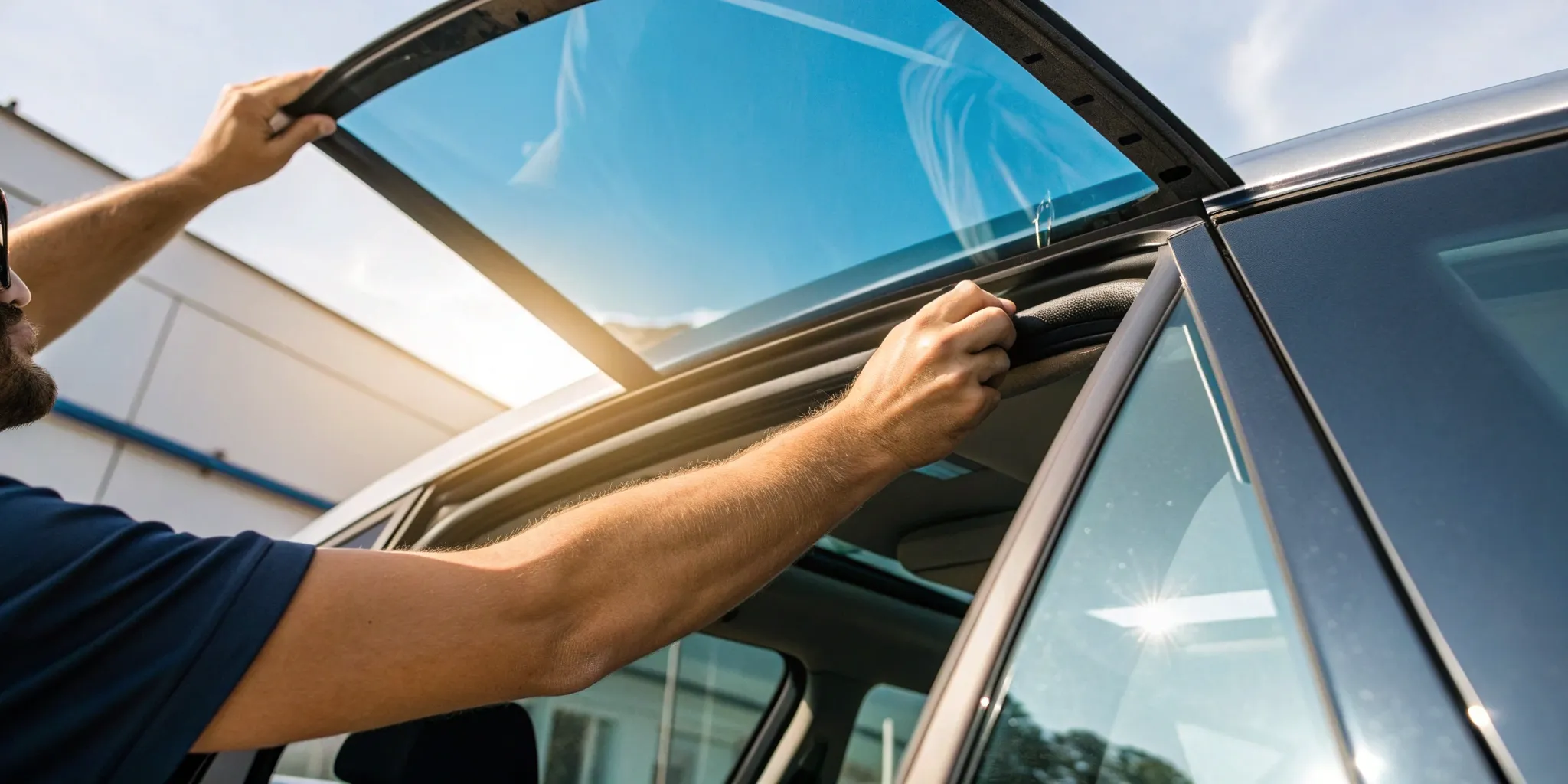
Once you approve the work, the hands-on process begins. First, the technician carefully removes the old, damaged glass, making sure not to scratch your car’s paint or damage the frame. Next, they’ll thoroughly clean the frame to remove any old adhesive or debris, creating a perfect surface for the new glass. A special, high-strength adhesive is then applied to the frame before the new windshield is precisely set into place. This meticulous process ensures a secure, leak-proof fit that restores your vehicle’s safety. This is the standard for any professional windshield replacement.
Eco-Friendly Glass Disposal
Ever wonder what happens to your old windshield? A responsible auto glass company doesn’t just toss it in a dumpster. Windshields are made of laminated glass, which can be recycled. We make sure your old glass is handled properly and sent to specialized facilities where it can be broken down and repurposed. This commitment to eco-friendly practices is part of our promise to provide not just excellent service, but also responsible service. You can learn more about our professional standards on our About Us page.
How to Care for Your New Glass
After your new auto glass is installed, a little aftercare goes a long way. The most important rule is to give the adhesive time to cure. For the first 24 to 48 hours, avoid high-pressure car washes, as the force of the water can damage the fresh seal. It’s also a good idea to leave a window cracked slightly for the first day to equalize pressure inside and outside the car, which helps prevent stress on the new seal. Following these simple steps will ensure your new glass remains secure and leak-free for years to come.
When Is It Safe to Drive?
This is one of the most common questions, and the answer is all about safety. Your technician will give you a specific “safe drive-away time,” which is the minimum time you need to wait before the adhesive is strong enough to meet federal safety standards. This can range from 30 minutes to a few hours, depending on the type of adhesive used and the weather conditions. It’s critical to follow this guideline. For vehicles with advanced safety features, a windshield recalibration may also be necessary to ensure your cameras and sensors work correctly.
Understanding the Curing Process
While your car may be safe to drive within an hour, the adhesive isn’t finished working. The full curing process, where the adhesive reaches its maximum possible strength, can take up to 24 hours or more. During this time, the urethane adhesive is undergoing a chemical reaction that bonds the glass to your vehicle’s frame. This bond is essential for the windshield to provide structural support during a collision or rollover. Adhering to the aftercare instructions your technician provides ensures this critical curing process completes successfully, keeping you and your passengers safe.
How Much Does Auto Glass Replacement Cost?
Figuring out the cost of auto glass replacement can feel a bit like solving a puzzle. The final price isn’t a one-size-fits-all number; it can range from a couple of hundred dollars to well over a thousand. The total depends on a few key things: the type of glass being replaced, your vehicle’s make and model, and whether you have any special features built into your windshield. Don’t worry, though—it’s not as complicated as it sounds. Once you understand the main factors, you can get a clear idea of what to expect and find a solution that fits your budget without compromising on safety. Let’s break down what goes into the final cost.
Price Factors by Glass Type
Not all auto glass is created equal, and that’s reflected in the price. Your windshield is usually the most expensive piece to replace. It’s a large, complex piece of laminated safety glass that provides critical structural support to your vehicle. Side and rear windows are typically less expensive. Another choice you’ll face is between Original Equipment Manufacturer (OEM) glass and aftermarket glass. OEM glass is made by the same company that produced the original glass for your car, while aftermarket glass is made by a different company. Opting for OEM glass can add 20% to 30% to your total, but it guarantees a perfect fit. Our auto glass services cover all types to match your needs and budget.
How Your Vehicle Affects the Cost
The car you drive plays a big role in the replacement cost. As you might guess, glass for luxury or high-end cars costs more than for common or older models. It’s not just about the brand name, though. Newer vehicles are often equipped with Advanced Driver Assistance Systems (ADAS), which include cameras, sensors, or heads-up displays integrated into the windshield. These high-tech windshields are more expensive to produce and require special handling during installation. Whether you drive a standard sedan, an RV, or one of the latest exotic vehicles, the specific glass required will directly influence the final price.
Using Insurance to Cover Your Replacement
Here’s some good news: your car insurance might foot the bill. Most comprehensive auto insurance policies cover windshield repairs and replacements. In many cases, filing a glass claim won’t even cause your rates to go up. If you just have a small chip, your policy might cover the entire repair, or you may only need to pay your deductible. It’s always worth checking your policy details before paying out of pocket. We can help you work through the process and handle your auto glass claims to make it as smooth and stress-free as possible.
Potential Additional Service Costs
Beyond the glass itself, there can be other costs involved, especially with modern cars. If your vehicle has ADAS features like lane-keeping assist or automatic emergency braking, the system’s cameras and sensors are likely mounted on the windshield. After a replacement, these systems must be recalibrated to ensure they function correctly. This windshield recalibration is a crucial safety step that requires specialized equipment and expertise, adding to the overall service cost. It’s not an optional add-on; it’s essential for keeping you and your passengers safe on the road.
Smart Ways to Save Money
Everyone wants to save money, but cutting corners on auto glass isn’t the place to do it. The safest and most effective way to manage costs is to act fast. A small chip can often be repaired for a fraction of the cost of a full replacement, so addressing damage early is key. We specialize in quick windshield chip repairs that can stop a crack from spreading. Also, always check with your insurance provider first, as your policy may cover more than you think. While a DIY kit might seem tempting, a professional installation ensures the glass is sealed correctly and your car’s safety features are intact.
The Convenience of Mobile Service
Time is money, and mobile auto glass service saves you a lot of it. Instead of taking time off work or rearranging your day to visit a shop, a technician comes directly to your home, office, or wherever you are. This convenience doesn’t just save you hassle; it gets your vehicle back on the road safely and quickly, often on the same day. At Winaffix, we bring our expertise to you, ensuring a high-quality replacement without disrupting your schedule. Ready to see how simple it can be? You can get a quote online to find a time that works for you.
How to Choose the Right Auto Glass Company
Finding the right company to handle your auto glass replacement can feel like a big decision—because it is. The quality of the installation directly impacts your car’s safety and structural integrity. But don’t worry, a little know-how goes a long way. When you’re comparing your options, focus on a few key areas: the quality of their materials, what other customers are saying, the warranty they offer, and how they handle insurance. Getting these things right means you can feel confident you’re getting a safe, reliable repair that will last.
Look for Certifications and Quality Standards
When it comes to your vehicle, you want materials and workmanship you can trust. That’s why it’s so important to choose a company that uses certified technicians. These pros are trained in the latest installation techniques and safety protocols. You should also ask if they use Original Equipment Manufacturer (OEM) or OEM-equivalent glass. This simply means the glass is the same quality as what the car manufacturer originally installed. Using high-quality glass and adhesives ensures a perfect fit and a secure bond, which is critical for your windshield’s role in your car’s safety system. A reputable company will be transparent about the quality of their materials and the qualifications of their team.
Read Customer Reviews Like a Pro
Customer reviews are a goldmine of information, but you have to know how to read them. Go beyond the star rating and look for details. Do reviewers mention the technician by name? Do they describe the service as professional, timely, and clean? The best reviews often tell a story. Pay special attention to how a company handles problems. A negative review that’s followed by a company response and a happy resolution is actually a great sign—it shows they’re accountable and committed to customer satisfaction. Reading through a company’s customer testimonials can give you a clear picture of the experience you can expect.
Understand Your Warranty Coverage
A warranty is more than just a piece of paper; it’s a company’s promise to stand behind its work. Before you book a service, always ask about the warranty. A lifetime warranty on workmanship is the industry standard and should cover issues like leaks or defects related to the installation. Be sure to ask for the specifics so you know exactly what’s covered and for how long. A company that offers a strong, clear warranty is confident in the quality of their service. It gives you peace of mind knowing that if anything goes wrong down the road, you’re protected.
Find a Partner for Insurance Claims
If you plan to use insurance to cover the cost, find a company that makes the process easy. Dealing with insurance paperwork can be a hassle, but many auto glass shops are happy to handle it for you. A great company will verify your coverage, file the claim, and bill your insurance provider directly, leaving you with little to do besides paying your deductible, if you have one. This service can save you a ton of time and stress. When you get a quote, ask about their experience with auto glass claims and what they need from you to get the ball rolling.
Comparing Top Auto Glass Providers
As you do your research, you’ll come across several national and local providers. While many offer similar services, they can differ in areas like mobile service availability, warranty terms, and customer support. Winaffix stands out by focusing on fast, reliable, and convenient same-day mobile service, but it’s always a good idea to see who operates in your area.
Here are some of the top auto glass providers you might encounter:
- Winaffix
- Safelite
- Glass Doctor
- Auto Glass Now
- Glass America
- Clear View Auto Glass
- Guardian Auto Glass
- Apple Auto Glass
Related Articles
- How Much Does a Windshield Replacement Cost?
- Get a Quote for Windshield Replacement: A Simple Guide
- How Much to Replace a Windshield? A 2025 Guide
- Reliable Auto Glass Replacement Tips
Frequently Asked Questions
How long will the entire replacement process take? The hands-on work of replacing your auto glass is surprisingly quick, usually taking about an hour from start to finish. The most important part of the timeline, however, is the time your car needs to sit for the adhesive to cure. Your technician will give you a specific “safe drive-away time,” which can be as little as 30 minutes to a few hours, depending on the adhesive and weather. This waiting period is essential to ensure the new glass is securely bonded to your vehicle’s frame.
Will filing an auto glass claim make my insurance premium go up? This is a very common concern, and the good news is that it’s highly unlikely. Most insurance companies classify auto glass damage under the comprehensive portion of your policy, not the collision portion. As a result, filing a glass claim typically doesn’t impact your rates. Of course, every policy is different, so it’s always a good idea to confirm with your provider, but you can generally rest easy knowing a new windshield won’t lead to a higher bill.
Do I have to get my car’s safety systems recalibrated after a windshield replacement? If your car has features like lane-keeping assist or automatic emergency braking, then yes, recalibration is a must. These Advanced Driver-Assistance Systems (ADAS) rely on cameras mounted to your windshield that are aimed with incredible precision. When the windshield is replaced, that alignment is disturbed. Skipping recalibration means those safety features may not work correctly when you need them most, so it’s a non-negotiable step for keeping your car as safe as it was designed to be.
Is it okay to drive with a small chip, or should I get it fixed right away? You should get it fixed as soon as possible. A small chip might seem harmless, but it creates a weak point in the glass. The vibrations from driving, hitting a pothole, or even a sudden temperature change from using your defroster can cause that tiny chip to spread into a large crack in an instant. Addressing it early is the best way to avoid a more expensive full replacement down the road.
What’s the real difference between OEM and aftermarket glass? OEM stands for Original Equipment Manufacturer, which means the glass is made by the same company that produced the original glass for your car. It’s guaranteed to be a perfect match in terms of fit, shape, and color. Aftermarket glass is made by a different company to fit your vehicle. While high-quality aftermarket glass is a perfectly safe and effective option, choosing OEM glass eliminates any variables and ensures the replacement is identical to the factory original.