

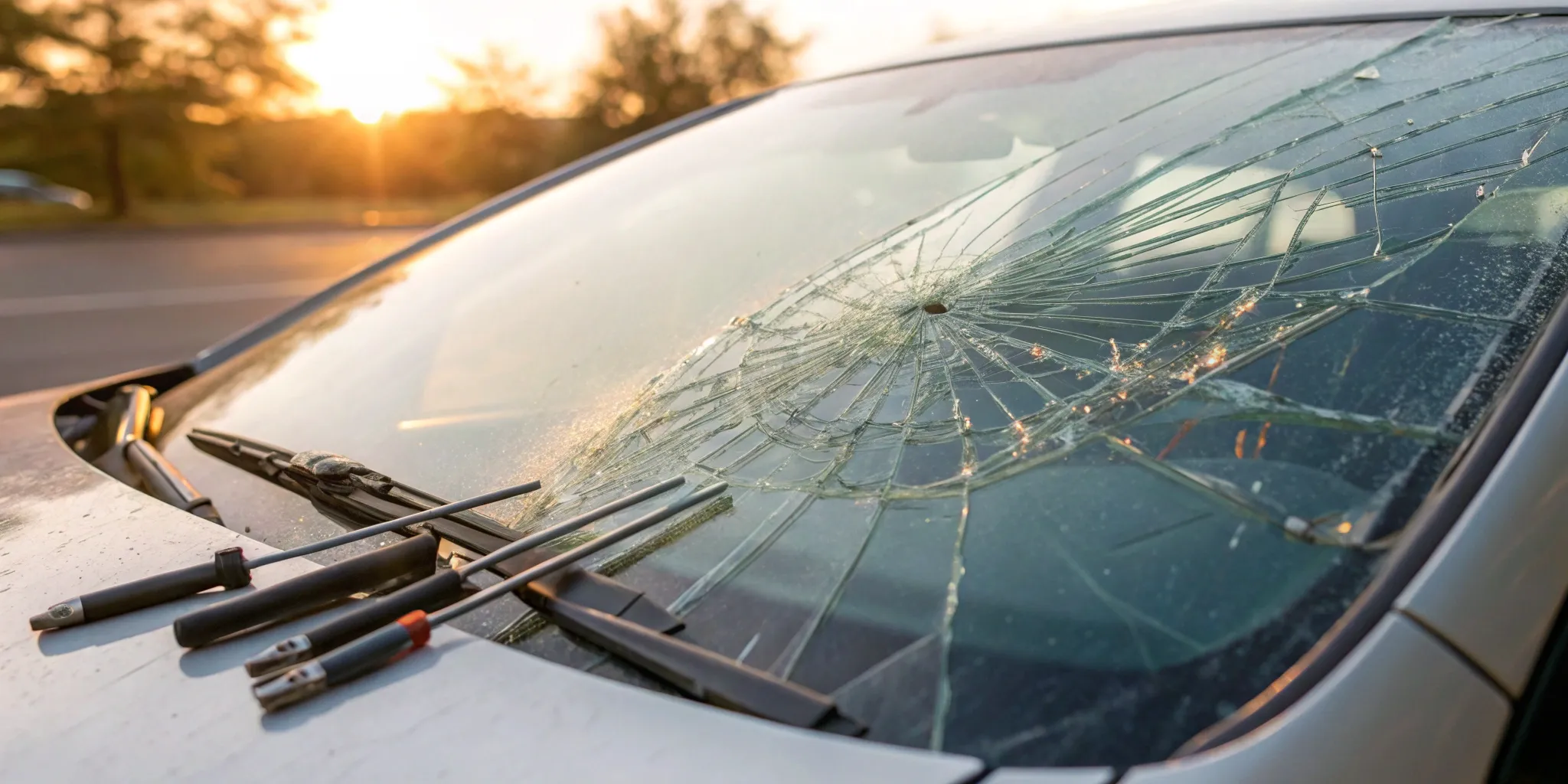
That tiny chip in your windshield can feel like a ticking time bomb. You know that every bump in the road, every temperature swing from blasting the AC or defroster, puts it at risk of spreading into a massive crack. Acting quickly is the key to preventing a small, fixable issue from becoming a big, expensive replacement. So, how can you repair a cracked windshield before it gets worse? We’ll show you some immediate steps you can take to stop a crack in its tracks and buy yourself some time. Then, we’ll walk you through the permanent solutions, helping you decide on the best path forward for a lasting, reliable fix.
Key Takeaways
- Know the Difference Between a Repair and a Replacement: Small chips under the size of a quarter and single cracks shorter than a dollar bill are often repairable. Anything larger, deeper, or in the driver’s direct line of sight typically requires a full replacement to ensure your safety.
- A Professional Fix is Often the Smartest Move: If your car has modern safety systems (ADAS), a professional recalibration after a replacement is essential. Plus, your insurance may cover the entire cost of a repair, making it a safer and more convenient option than a DIY kit.
- Prevent Cracks from Spreading with Quick Action: To keep a small chip from turning into a big problem, avoid sudden temperature changes like blasting the defroster or AC. Parking in the shade and driving gently on rough roads can also buy you valuable time before a professional repair.
Repair or Replace? How to Assess Windshield Damage
That sinking feeling when a rock flies up and leaves its mark on your windshield is something most drivers know all too well. Your first thought is probably, “How bad is it?” followed quickly by, “How much is this going to cost me?” The good news is that not all damage requires a full, costly replacement. Knowing how to assess the chip or crack is the first step toward getting it fixed the right way.
The decision to repair or replace comes down to a few key factors: the type of damage, its size, and its location. A quick evaluation can help you understand your options and prevent a small issue from turning into a big, expensive problem. Taking action quickly is key, as dirt and moisture can get into a chip and make a clean repair impossible, while temperature changes can cause a tiny crack to spread across your entire windshield overnight.
Chips and Cracks You Can Fix
If you catch the damage early, there’s a good chance you can get away with a simple repair. Generally, small chips under an inch wide—about the size of a quarter—are perfect candidates for a fix. The same goes for short, single cracks that are smaller than a dollar bill. A professional windshield chip repair is designed to restore the structural integrity of the glass and make the damage nearly invisible. This process is much faster and more affordable than a full replacement, saving you both time and money while keeping the original factory seal of your windshield intact.
When to Get a Full Replacement
Sometimes, the damage is just too severe for a repair to be a safe, long-term solution. If you’re looking at a crack that’s longer than six inches, it’s time to start thinking about a replacement. The same rule applies if the damage is directly in the driver’s line of sight, as even a perfect repair can leave a slight distortion that could impair your vision. Damage that reaches the edge of the windshield also compromises its structural strength, making a full windshield replacement the only safe option. Ignoring these guidelines isn’t worth the risk to your safety.
The Hidden Dangers of a Cracked Windshield
It’s easy to dismiss a crack as a cosmetic issue, but your windshield does more than just block wind and rain. It’s a critical safety component of your vehicle. A cracked windshield weakens your car’s entire structure. In a rollover accident, the windshield provides up to 60% of the cabin’s structural support, and a crack can cause the roof to collapse. It also plays a vital role in proper airbag deployment. An attempt at a DIY fix on significant damage might seem like a good way to save money, but if done incorrectly, it can fail and leave you with a much bigger problem. Trusting a professional service ensures the job is done right, keeping you and your passengers safe.
Your DIY Windshield Repair Toolkit
If you’ve assessed the damage and feel confident tackling it yourself, your next step is to gather your supplies. Getting everything in order before you start is key to a smooth and successful repair. Just like any project, having the right tools on hand makes all the difference and helps you avoid any mid-repair scrambles. Think of this as setting up your workstation for a clean, professional-level fix. It’s a simple but crucial step that sets the foundation for a strong, lasting repair and prevents a small chip from turning into a bigger headache.
What’s Inside a Repair Kit?
Most DIY windshield repair kits you can buy at an auto parts store or online are pretty comprehensive. They typically come with a special resin, which is the star of the show—it’s a strong adhesive that fills the chip or crack to restore the glass’s integrity. You’ll also find an application tool, which usually looks like a small pedestal or syringe, to help you inject the resin precisely into the damaged area. To finish the job, the kit includes curing strips to cover the resin as it hardens and a small razor blade to scrape away any excess for a smooth, clear finish.
Gather Your Safety Gear
Before you pop open that resin, let’s talk about safety. It might seem like a minor repair, but you’re still working with chemicals and damaged glass, so protecting yourself is a must. This isn’t a step to skip. At a minimum, you’ll want a good pair of gloves to keep the resin off your skin and protective eyewear to shield your eyes from any small glass fragments or resin splashes. Taking a few seconds to put on your safety gear ensures the repair process is worry-free and that you don’t end up with an easily avoidable injury.
Find the Right Spot to Work
Where you perform the repair is just as important as how you do it. You’ll want to work on your cracked windshield as soon as possible, because leaving it exposed allows dirt and moisture to get inside the chip, which can ruin the repair. Your best bet is to work in a garage or a shady, protected area. Direct sunlight and extreme temperatures are your enemies here—heat can cause the glass to expand and make the crack spread, while cold can interfere with how the resin cures. A controlled, temperate environment will give you the best shot at a flawless, durable fix.
Your Step-by-Step Repair Guide
Alright, you’ve got your repair kit and you’re ready to tackle that annoying chip. Taking the DIY route can be really satisfying, but the key is to be patient and methodical. Think of it less like a race and more like a small craft project. Rushing through the steps or working in the wrong conditions can make the damage worse, which is the last thing you want. Before you begin, read through the instructions in your specific kit, as they can vary slightly.
This guide will walk you through the essential process, from prepping the glass to getting that smooth, final finish. We’ll cover the core steps that most kits require, helping you feel confident as you work. We’ll also point out some common mistakes people make so you can steer clear of them. If at any point the damage seems too complex or you’re just not feeling it, remember that a professional windshield chip repair is always a reliable option. But if you’re ready to give it a shot, let’s get started.
Prepare the Damaged Area
First things first: you need a clean slate. Any tiny bits of glass or dirt left in the crack will prevent the resin from bonding properly, which can compromise the entire repair. Start by carefully using a pin or the corner of a razor blade to pick out any loose glass fragments from the point of impact. Be gentle here—you’re just clearing debris, not trying to make the chip bigger. Once the loose bits are gone, clean the area thoroughly with a bit of rubbing alcohol on a clean cloth. This removes any oils, dust, or grime and ensures the resin has a perfectly clean surface to adhere to.
Clean and Inspect the Chip
With the area clean, take a moment to really look at the damage. Is it a simple bullseye, a star-shaped break, or a small crack? Pay close attention to its size and depth. This is your last chance to decide if the damage is truly within the scope of a DIY kit. Most kits work best on chips smaller than a quarter and cracks shorter than a few inches. If you notice the crack is starting to spread or looks more complex than you initially thought, it’s better to pause and reconsider. A failed DIY attempt can sometimes make a professional repair more difficult, so a careful inspection now saves potential headaches later.
Apply the Repair Resin
Now for the main event. Your kit will have an applicator tool, which usually involves an adhesive seal and a pedestal. Center the adhesive disc directly over the crack, making sure it creates a tight seal against the glass. Press the plastic pedestal firmly onto the disc. This little tool is what allows you to inject the resin deep into the crack under pressure. Carefully squeeze the recommended amount of repair resin into the pedestal. Follow your kit’s instructions precisely, as some require you to use a plunger to force the resin into every tiny crevice of the damage.
Cure the Resin and Finish the Job
Once the resin has completely filled the crack, it’s time to let it cure. This is what hardens the liquid resin into a strong bond. Remove the applicator tool and immediately place one of the kit’s curing strips over the wet resin. The strip holds the resin in place and ensures a smooth, flat finish. Now, move your car into direct sunlight if possible; the UV rays are what activate the hardening process. If it’s a cloudy day, a UV light will also work. Let it cure for the time specified in your kit—don’t rush this part! Once it’s fully hardened, use a fresh razor blade to carefully scrape away any excess resin, holding the blade at a 45-degree angle to get a flush surface.
Mistakes to Avoid for a Flawless Fix
Even with the best intentions, a few common missteps can derail your repair. The biggest mistake is attempting a fix on damage that’s too large or complex for a DIY kit. If the crack is in the driver’s line of sight or has spread more than a few inches, it’s time to call a pro. Another frequent error is applying too much pressure with the suction cup tool, which can turn a small chip into a long crack. Finally, don’t try to do the repair in direct sunlight or on a hot windshield, as the resin can cure too quickly before it has a chance to fill the crack. If you’re feeling unsure, it’s always better to get a quote from a professional than to risk making the problem worse.
How to Stop a Windshield Crack from Spreading
That tiny chip or crack can feel like a ticking clock. You know it’s only a matter of time before it spreads across your entire windshield, turning a small annoyance into a major problem that obstructs your view. While the only permanent solution is a professional repair, there are a few things you can do right now to slow the damage and buy yourself some time. These temporary measures are designed to keep the crack stable and clean until you can get it looked at by a pro.
Think of it as first aid for your auto glass. The main goal is to prevent dirt, debris, and moisture from getting deep into the crack, as contamination can make a future repair more difficult and less effective. Taking these immediate steps can be the difference between a simple, quick windshield chip repair and needing a full replacement. So, before that line starts to creep across your line of sight, here’s what you can do to stop it in its tracks and protect your wallet in the process. It’s all about managing the situation until an expert can take over.
Quick Fixes to Use in a Pinch
When you’re in a bind and can’t get to a repair shop immediately, a few household items can help. Applying a small amount of clear superglue or clear nail polish into the crack can temporarily seal it from the elements. After it dries, placing a piece of clear packing tape over the area adds another layer of protection. These aren’t permanent fixes, but they do a decent job of keeping debris and water out, which is crucial for a successful professional repair later. A slightly better option is a basic windshield repair kit, which can also serve as a temporary hold.
Why Temperature Matters (and What to Do)
Sudden temperature changes are a cracked windshield’s worst enemy. Glass expands in the heat and contracts in the cold, and a crack creates a major weak point. Blasting the defroster on a frosty morning or cranking the AC on a hot afternoon can cause the crack to spread instantly. To prevent this, try to park your car in a garage or at least in the shade. Avoid washing your car, especially with high-pressure or cold water on a hot day. Gradual temperature changes are key until you can schedule a proper windshield replacement for more severe damage.
Driving Tips for a Damaged Windshield
How you drive can also impact that crack. First and foremost, if the damage is in your line of sight and makes it hard to see, don’t drive. Your safety isn’t worth the risk. If you must drive, be gentle. Avoid slamming your car doors, as the vibration can travel through the car’s frame and stress the glass. Do your best to steer clear of potholes, speed bumps, and rough roads. Every jolt and bump puts extra pressure on the windshield. Driving smoothly and carefully will help keep the crack from worsening until you can get professional auto glass services.
When to Skip DIY and Call a Pro
While a DIY repair kit can feel like a quick and budget-friendly fix, it’s not a one-size-fits-all solution. Your windshield is a critical safety component of your car, providing structural support and ensuring your airbags deploy correctly. When the damage is significant, a DIY patch just won’t cut it. Making the wrong call can compromise your safety and lead to more expensive problems down the road.
Knowing the limits of a DIY kit is key. Certain types of damage, your car’s specific technology, and even your insurance policy can all point toward calling a professional. Let’s walk through the signs that tell you it’s time to put down the resin and pick up the phone.
How to Know if the Damage Is Too Big
A small, simple chip might be a good candidate for a DIY fix, but many situations call for an expert eye. If you’re looking at your windshield and wondering if the damage is too severe, here’s a quick checklist. It’s time to call a pro if the crack:
- Is longer than a dollar bill (about 6 inches).
- Directly obstructs your line of sight while driving.
- Has started to spread from its original point.
- Reaches the outer edge of the windshield.
- Is deep enough to feel on both the inside and outside of the glass.
Any of these issues can weaken the structural integrity of the glass, making a professional windshield replacement the only safe option.
Will Your Insurance Cover It?
Before you worry about the cost of a professional repair, check your auto insurance policy. Many drivers don’t realize that their comprehensive coverage often pays for windshield services. In fact, for smaller repairs, many insurance companies will waive your deductible entirely, meaning the fix could cost you nothing out of pocket. This makes calling a professional not only the safest choice but also a smart financial one. We can even help you handle the insurance claim, making the process smooth and stress-free. A quick call to your provider can clarify your coverage and save you from an unnecessary DIY headache.
What About Your Car’s Safety Systems (ADAS)?
If your car is a newer model, it likely has Advanced Driver-Assistance Systems (ADAS). These are features like automatic emergency braking, lane-keeping assist, and adaptive cruise control, which rely on cameras and sensors mounted on your windshield. When your windshield is replaced, these systems must be professionally recalibrated to function correctly. A DIY kit can’t do this, and improper calibration can cause these critical safety features to fail when you need them most. To ensure your technology works as intended, a professional windshield recalibration is an essential step that only a trained technician can perform.
How to Find a Trusted Pro
When you need a professional, you want someone you can trust to do the job right. While a dealership is an option, specialized auto glass shops are often the better choice. Technicians at these shops work on windshields all day, every day, giving them a level of expertise that’s hard to match. Look for a company with a solid track record of positive customer reviews and clear communication. A reputable service will provide a transparent quote upfront and stand behind their work with a guarantee. At Winaffix, our certified technicians offer fast, reliable service that comes to you, ensuring your repair is done correctly and conveniently.
What to Expect from a Professional Repair
So you’ve decided to leave the repair to the experts—smart move. Knowing what to expect can make the process feel less like a chore and more like a quick, satisfying fix. When you call in a professional, you’re not just paying for a service; you’re investing in expertise, specialized equipment, and confidence in the result. Unlike a DIY kit, which offers a one-size-fits-all solution, a professional technician brings a wealth of experience to accurately assess the damage and choose the best course of action. They understand the nuances of different types of glass and damage, ensuring the repair is not only visually clean but also structurally sound.
The entire process is designed for your convenience. Many professional services offer mobile repairs that come to your home or office, saving you a trip to the shop. They work efficiently, often completing a chip repair in under an hour. From the initial inspection to the final cure, every step is handled with precision. You’ll see how advanced technology and skilled hands can make a crack or chip virtually disappear, restoring both the clarity and the safety of your windshield. It’s a seamless experience that gets you back on the road safely and with confidence.
How the Pros Do It: Modern Repair Tech
Professional technicians use advanced tools that go far beyond what you’ll find in a DIY kit. They start by creating a vacuum over the chip to remove any air and moisture, which is a critical step for a strong bond. Then, they inject a high-quality, specialized resin that is carefully selected to match your windshield’s properties. This isn’t your average superglue; it’s a powerful adhesive designed to flex with the glass and withstand temperature changes. This professional-grade windshield chip repair ensures the fix is durable and almost invisible, restoring the glass to its original strength.
The Difference Quality and Safety Make
A professional repair is about more than just looks—it’s about safety. Your windshield is a key component of your car’s structural integrity, supporting the roof in a rollover and helping airbags deploy correctly. An improper DIY repair can compromise this, creating a weak spot that could fail under pressure. Trained technicians know how to handle different types of damage without making it worse. They ensure the repair maintains the windshield’s integrity, keeping you and your passengers safe. Trusting a professional service means you’re not just fixing a crack; you’re preserving your vehicle’s most important safety features.
Caring for Your Newly Repaired Windshield
After your windshield is professionally repaired, a little aftercare goes a long way in ensuring the resin cures perfectly. Your technician will give you specific instructions, but a good rule of thumb is to wait at least 24 hours before washing your car. This gives the resin ample time to fully harden and bond with the glass. It’s also wise to avoid extreme temperature changes during this period, so try not to blast the AC or defroster right away. Following these simple steps helps guarantee a long-lasting repair that will keep your windshield clear and strong for years to come.
Making Sure Your Repair is Guaranteed
One of the biggest advantages of hiring a pro is the confidence that comes with a warranty. Most reputable auto glass companies stand behind their work. This means if the chip repair fails or the crack starts to spread from the repaired spot, they’ll fix it or credit the cost of the repair toward a replacement. This guarantee offers valuable peace of mind that you simply don’t get from a DIY kit. When you see a company with stellar customer reviews, you can feel confident that they not only do great work but will also be there to support you if any issues arise.
Repair vs. Replacement: The Bigger Picture
Deciding between a quick DIY fix and a professional service involves more than just the visible damage. It’s about understanding your car’s safety, the longevity of the repair, and the real costs involved. When you look at the bigger picture, you can make a choice that gives you peace of mind for miles to come. Let’s break down what you need to consider.
Your Windshield’s Role in Overall Safety
It’s easy to think of your windshield as just a window, but it’s a critical piece of your car’s safety equipment. This special safety glass does more than block wind and rain; it provides structural support to your car’s roof in a rollover accident and ensures your airbags deploy correctly. In modern cars, the windshield is also home to important sensors and cameras for Advanced Driver Assistance Systems (ADAS). A compromised windshield can affect everything from your automatic emergency braking to your lane-keeping assist. That’s why ensuring any repair or replacement maintains this integrity is so important, often requiring professional windshield recalibration to keep your safety features working as they should.
How Long Will a DIY Repair Really Last?
The allure of a cheap, quick DIY windshield repair kit is strong, but it’s fair to question if it’s a permanent solution. While these kits can sometimes make a small chip less noticeable, they often don’t provide the same durability and safety as a professional service. A pro uses industry-grade resin and specialized tools to create a vacuum, removing all air from the crack before injecting the resin. This process creates a much stronger, more permanent bond that prevents the damage from spreading. A DIY fix might look okay at first, but it can fail over time, leaving you back where you started. For a reliable fix you can count on, professional windshield chip repairs are the way to go.
Tips for a Long-Lasting Windshield
Whether your windshield is brand new or freshly repaired, a little care goes a long way in preventing future damage. First, avoid sudden temperature changes. Blasting the AC on a hot day or the defroster on a freezing one can cause tiny, invisible flaws in the glass to expand into full-blown cracks. It’s also smart to maintain a safe following distance on the highway to avoid rock chips from trucks and other vehicles. Finally, check your wiper blades regularly. Worn-out wipers can drag dirt across the glass, creating small scratches that can weaken the surface over time. Taking these simple steps can help you get the most life out of your windshield and avoid unnecessary auto glass services.
The True Cost: Repairing vs. Replacing
When you see a chip, it’s tempting to ignore it, but that small flaw can quickly turn into a costly problem. A small repair is almost always more affordable than a full windshield replacement. The final cost depends on your car’s make and model, the size of the damage, and your location. The good news is that if you have comprehensive coverage, your car insurance will likely pay for the repair, sometimes without you even having to pay a deductible. At Winaffix, we can even help you handle the paperwork and work directly with your provider to simplify your auto glass claims. Acting fast on a small chip doesn’t just save your windshield—it saves you money.
Related Articles
- Best Windshield Replacement Services Near You | Winaffix
- Best Windshield Replacement Services | Winaffix Auto Glass
- Reliable #1 windshield chip repairs services | Winaffix
- Windshield Replacement – Winaffix Auto Glass
- Reliable Auto Glass Replacement Tips – Winaffix Glass Auto
Frequently Asked Questions
Will the chip or crack be completely gone after a repair? The main goal of a repair is to restore the structural strength of your windshield, and the cosmetic improvement is a fantastic bonus. For most small chips, a professional repair makes the damage nearly invisible. However, depending on the severity and type of the initial break, a faint blemish might remain. This is why damage located directly in the driver’s line of sight typically requires a full replacement, as even a slight distortion can be a distraction.
I have a newer car with safety features. Is a DIY repair safe? If your car has Advanced Driver-Assistance Systems (ADAS) like lane-keeping assist or automatic braking, you should skip the DIY kit. These safety features rely on cameras mounted to the windshield that need to be perfectly aligned. A replacement requires a professional recalibration to ensure these systems function correctly after the new glass is installed. A DIY fix can’t address this, and a compromised system could fail when you need it most, so it’s a job best left to a trained technician.
How long do I have to get a chip fixed before it’s too late? It’s best to act as quickly as possible. A small chip can turn into an unrepairable crack overnight due to simple things like a change in temperature or the vibration from driving over a pothole. The longer you wait, the more dirt and moisture can work their way into the damage, which can prevent the repair resin from bonding correctly and make a clean, strong fix impossible.
Is it cheaper to repair my windshield or just replace it? A repair is almost always more affordable than a full replacement. The best part is that if you have comprehensive auto insurance, your provider will often cover the entire cost of a repair without you even having to pay your deductible. This makes fixing a small chip early not only the safest option for your windshield’s integrity but also the smartest choice for your wallet.
How long does a professional repair take? Do I have to go to a shop? A professional chip repair is surprisingly fast, often taking less than an hour to complete. One of the biggest benefits of using a service like ours is convenience. You don’t have to rearrange your day to visit a shop because technicians can come directly to your home or office. This allows you to get your windshield fixed correctly without interrupting your schedule.
