

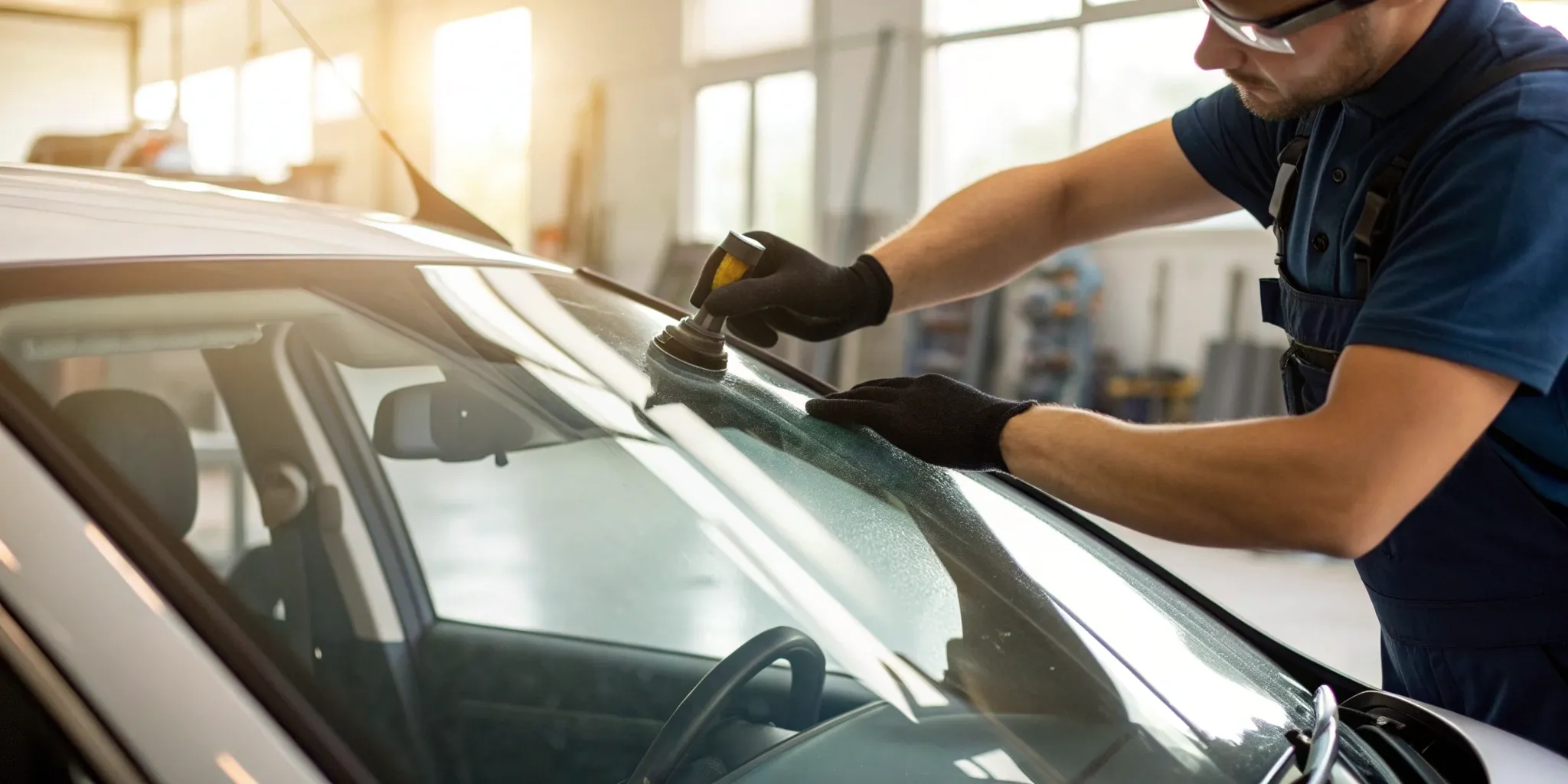
A cracked windshield is more than just an annoyance; it’s an unexpected expense that can throw your entire budget off track. Your first instinct might be to call your insurance company, but that isn’t always the most cost-effective move. The real question isn’t just does insurance cover windshield replacement, but rather, should you even file a claim in the first place? The answer depends on your deductible and whether a claim could impact your future rates. Making the right financial choice requires a little bit of information. We’ll walk you through how to weigh the costs so you can get your glass fixed without overpaying.
Key Takeaways
- Know Your Policy Before You Need It: Standard liability insurance won’t cover your auto glass. You need comprehensive coverage for damage from things like road debris or storms, so confirm your policy details to understand what’s protected.
- Compare the Repair Cost to Your Deductible: Before filing a claim, always get a quote for the work. If the repair costs less than your deductible, paying out-of-pocket is the smarter financial move and keeps an unnecessary claim off your record.
- Address Damage Immediately and Choose Your Shop Wisely: A small chip can quickly spread into a large crack, so prompt repairs can save you from a more expensive replacement. Remember that you have the right to select a trusted repair shop, not just the one your insurer suggests.
What Is Auto Glass Insurance?
When a rock chips your windshield, one of your first thoughts is probably, “Will my insurance cover this?” The answer is usually yes, but it all comes down to the specifics of your auto insurance policy. Auto glass insurance isn’t a separate plan you buy; it’s a part of your existing car insurance. Whether your policy pays for a windshield chip repair or a full replacement depends entirely on the type of coverage you have. Understanding your policy is the first step to a stress-free repair process.
Know Your Coverage Types
For your insurance to cover auto glass damage, you typically need to have comprehensive coverage. Think of this as your protection against the unexpected things that can happen when you’re not in a collision. Comprehensive coverage is an optional part of your policy that pays for damage from events like vandalism, road debris kicking up and hitting your glass, falling tree branches, or even hitting an animal. If you have this coverage, there’s a good chance your repair or replacement will be covered, making the process of handling auto glass claims much smoother.
Comprehensive vs. Collision: What’s the Difference?
It’s easy to get these two mixed up, but the difference is simple. Comprehensive coverage handles damage that doesn’t result from a car accident. That rogue rock that flew up on the highway and cracked your windshield? That’s a classic comprehensive claim. On the other hand, collision coverage applies when your windshield is damaged in a crash with another vehicle or a stationary object, like a fence post. So, if you get into a fender bender that also shatters your glass, your collision policy is what would kick in to cover the windshield replacement.
Check Your State’s Requirements
Where you live can also play a role in your auto glass coverage. Some states have specific rules about windshield damage, and you might not pass a vehicle safety inspection if a crack or chip is too large or obstructs your view. A few states even require insurance companies to offer full glass coverage, sometimes with a zero deductible, meaning you wouldn’t have to pay anything out of pocket for a repair. It’s always a good idea to be aware of your state’s laws, as they can influence both the urgency of a repair and how your insurance handles it.
Key Insurance Terms to Know
Let’s quickly break down two terms you’ll definitely encounter: deductible and comprehensive coverage. Your deductible is the amount of money you have to pay out of pocket before your insurance company starts to pay. For example, if your deductible is $250 and the repair costs $500, you pay the first $250, and your insurer covers the remaining $250. As we’ve covered, comprehensive coverage is the part of your policy that protects you from non-collision events. Understanding these terms will help you know exactly what to expect when you get a quote and file a claim.
What Does Your Windshield Insurance Actually Cover?
Figuring out your insurance policy can feel like trying to read a foreign language. When it comes to windshield damage, the details matter. What your insurance covers depends entirely on the type of policy you have, your deductible, and what caused the damage in the first place. Most of the time, a cracked or shattered windshield isn’t covered by basic liability insurance. Instead, you’ll need a specific type of coverage to handle the repair or replacement costs.
Understanding your policy before you need it saves you from a major headache later. It helps you know what to expect when you call your insurance agent and what questions to ask your auto glass technician. Whether it’s a small chip from a stray rock on the highway or more significant damage from a storm, knowing the ins and outs of your coverage ensures the process is as smooth and stress-free as possible. Let’s break down what you can typically expect your policy to cover.
Full vs. Partial Coverage
Most of the time, your car insurance will cover windshield damage if you have comprehensive coverage. Think of this as your “life happens” protection. It pays for damage from events other than a collision, like a rock hitting your windshield, a tree branch falling on your car, or even hitting an animal. On the other hand, the basic liability insurance required by law only pays for damage you cause to other people’s vehicles. It will not pay to fix your own car’s windows. Before you file an auto glass claim, it’s a good idea to confirm you have comprehensive coverage listed on your policy.
OEM vs. Aftermarket Glass: Does It Matter?
When you get a replacement, you’ll have a choice between OEM (Original Equipment Manufacturer) and aftermarket glass. OEM glass is made by the same company that made the original glass for your vehicle, while aftermarket glass is made by a different company. Some insurance policies specify that they will only pay for aftermarket glass because it’s often less expensive. Others may cover OEM glass, especially for newer vehicles. The cost to replace a windshield varies based on your car’s make and model, so it’s important to check your policy to see what type of glass is covered. A professional technician can help you understand your options.
Understand Your Coverage Limits
Even with comprehensive coverage, you might have to pay a deductible. A deductible is the amount of money you have to pay out of pocket before your insurance company starts to pay. For example, if your deductible is $500 and the windshield replacement costs $800, you would pay the first $500, and your insurance would cover the remaining $300. However, if the repair only costs $350, you would pay the full amount yourself since it’s less than your deductible. Some states and policies offer a separate, lower glass deductible or even waive it entirely for minor repairs, so be sure to review your policy details.
What Else Is Included?
A full windshield replacement involves more than just a new piece of glass. The total cost includes labor, adhesives, and moldings. For modern vehicles, it also often requires windshield recalibration. This process ensures the cameras and sensors for your car’s advanced safety features—like lane departure warnings and automatic braking—are working correctly. It’s a critical safety step. You should confirm with your insurance provider whether your policy covers the cost of recalibration services in addition to the glass and labor. This will help you avoid any unexpected expenses when you get the final bill.
Handling Special Circumstances
Life isn’t always straightforward, and neither is windshield damage. If another driver is at fault for the damage—for instance, in a multi-car accident—you can file a claim with their insurance company instead of your own. This would save you from paying your deductible. What if your windshield was damaged due to vandalism or theft? This type of event is almost always covered under your comprehensive policy, though you’ll likely need to file a police report. In any special case, documenting the damage with photos and notes is always a smart first step before contacting your insurance agent to discuss your options.
How to File an Auto Glass Claim, Step-by-Step
Dealing with a cracked windshield is stressful enough without adding confusing insurance paperwork to the mix. The good news is that filing an auto glass claim is usually a straightforward process. Think of it as a simple checklist. By following these steps, you can get your glass fixed quickly and with minimal hassle, especially when you have a trusted auto glass shop on your side. We’ll walk you through exactly what to do from the moment you spot the damage to the final, seamless repair.
Step 1: Document the Damage
Before you do anything else, pull out your phone and take a few pictures. Capture the damage from different angles—get a close-up of the chip or crack and a wider shot to show its location on the windshield or window. Make a mental note of when and how the damage happened. Was it a rock on the freeway or a stray baseball in your driveway? These details will be helpful when you file your claim. Clear documentation creates a solid foundation for a smooth claims process, leaving no room for questions from your insurance provider.
Step 2: File Your Claim
Don’t wait to contact your insurance company. The sooner you report the damage, the better. Most insurers let you file a claim online, through their mobile app, or over the phone. Before you call, have your policy number handy and take a quick look at your coverage details. You’ll want to confirm that you have comprehensive coverage, which is what typically handles glass damage. If you’re unsure about the process, our team at Winaffix can help you understand the next steps and assist with your auto glass claim.
Step 3: Choose Your Repair Shop
Your insurance company might recommend a shop from their preferred network, but in most cases, you have the right to choose your own repair facility. This is a critical decision. Instead of going with a generic national chain, consider a specialized local provider known for quality work. A shop like Winaffix works for you, not the insurance company, ensuring you get the best materials and service. Check out customer reviews and choose a team you can trust to handle your vehicle with care and expertise.
Step 4: Handle Payment and Reimbursement
This is where your deductible comes into play. A deductible is the amount you pay out of pocket before your insurance coverage begins. Check your policy to see what your comprehensive deductible is. If the cost of a windshield chip repair is less than your deductible, it makes more sense to pay for it directly. Many insurance policies will even waive the deductible for a repair versus a full replacement. We can provide a clear, upfront quote to help you decide the most cost-effective route.
Step 5: After the Replacement
Once your claim is approved, the final step is getting the work done. Don’t put off the repair, as a small chip can quickly spread and compromise your vehicle’s safety. A damaged windshield can weaken the structural integrity of your car, especially in a rollover accident. We pride ourselves on providing fast, reliable service to get you back on the road safely. After a windshield replacement, we also perform essential services like windshield recalibration to ensure your car’s advanced safety systems function correctly.
How to Handle Costs and Deductibles
Let’s talk about the money side of things. Figuring out whether to file an insurance claim or pay for a windshield replacement yourself can feel complicated, but it really comes down to a few key factors. Understanding your deductible, the potential impact on your insurance premium, and the total cost of the repair will help you make the best financial decision. It’s not just about getting your glass fixed; it’s about doing it in a way that’s smart for your wallet.
Before you even pick up the phone to call your insurance agent, it’s wise to get a clear picture of the costs involved. This is where a little bit of homework pays off. By comparing the price of the replacement to your insurance deductible, you can quickly see which path makes more sense. We’ll walk through exactly how to weigh these options so you can feel confident in your choice.
How Insurance Deductibles Work
Think of your deductible as the portion of the bill you have to cover before your insurance company steps in to pay the rest. For example, if your comprehensive deductible is $500 and a full windshield replacement costs $750, you would pay the first $500. Your insurance would then cover the remaining $250. It’s important to check your policy, as some insurers offer a separate, lower deductible specifically for auto glass, or they might even waive it entirely for minor chip repairs. Knowing this number is the first step in deciding whether to file a claim.
Will a Claim Raise Your Premium?
This is a common worry, and for good reason. The good news is that a single comprehensive claim for glass damage usually doesn’t cause your rates to spike. However, the claim does become part of your insurance history. When you shop for a new policy in the future, other insurance companies can see that claim and might factor it into the rates they offer you. If you’re concerned, the best approach is to have a quick, direct conversation with your insurance agent about their specific policies before you file.
Plan for Out-of-Pocket Costs
Here’s a simple rule of thumb: if the cost to repair or replace your auto glass is less than your deductible, it doesn’t make sense to file a claim. You’d be paying the full amount yourself anyway, and you’d have a claim on your record for no reason. This is why it’s so important to get a quote for the work first. Once you know the total cost, you can compare it directly to your deductible and make an informed decision without any guesswork.
Why Work With a Preferred Shop?
Many insurance providers partner with a network of trusted auto glass shops to make the claims process smoother for everyone. Working with a shop that has experience handling auto glass claims can save you a lot of headaches. These shops know exactly what paperwork is needed and can often bill the insurance company directly, so you only have to worry about paying your deductible. At Winaffix, we work with all major insurance carriers to ensure your claim is handled quickly and correctly, getting you back on the road faster.
Simple Ways to Save Money
Sometimes, paying out-of-pocket is simply the cheaper option, especially if you have a high deductible. Independent shops often provide more competitive pricing than large national chains, giving you a high-quality repair without the high price tag. Another way to save is by acting fast. A small chip can often be fixed with a simple and affordable windshield chip repair, which costs significantly less than a full replacement. Addressing damage early prevents it from spreading and becoming a more expensive problem.
Make Smart Choices About Your Coverage
Making sense of your auto insurance policy can feel like a chore, but a few minutes of review can save you a lot of headaches and money down the road. When it comes to auto glass, knowing what your policy includes—and what it doesn’t—helps you make the best decision when a rock chip or crack appears. It’s all about understanding your options before you actually need to use them. By being proactive, you can handle any glass damage with confidence, knowing you’re prepared for the costs and the process.
Assess Your Coverage Needs
Most of the time, your car insurance will cover windshield damage if you have comprehensive coverage. This is the part of your policy that handles damage from things other than a collision, like falling tree branches, hail, or hitting an animal. Basic liability insurance won’t cover your own vehicle’s damage. Take a moment to think about your daily drive and where you live. If you frequently drive on highways where rocks get kicked up or live in an area with severe weather, having comprehensive coverage for your auto glass is a smart move. It provides a safety net for those unexpected moments that are out of your control.
Should You Even File a Claim?
Just because you have coverage doesn’t always mean you should file a claim. The first thing to do is compare your deductible to the repair cost. If a new windshield costs $400 but your deductible is $500, it makes more sense to pay for the repair out of pocket. Your insurance won’t pay anything toward the repair until you’ve met your deductible. For smaller issues, like minor rock chips, the cost of a windshield chip repair is often much less than a typical deductible, making it an easy decision to handle it yourself. Always get a quote first so you can make an informed financial choice.
Tips for Reviewing Your Policy
Don’t wait until your windshield is cracked to figure out what your policy covers. Pull up your insurance documents or log into your provider’s online portal and look for the details. Specifically, check which types of glass are covered (windshield, side windows, sunroof) and what kinds of damage qualify for a claim. If anything is unclear, a quick call to your agent can provide clarity. Knowing these details ahead of time helps you work more effectively with your insurance and streamlines the auto glass claims process when you need it. This little bit of homework makes a stressful situation much more manageable.
Don’t Fall for These Coverage Myths
A common misunderstanding is that basic liability insurance will cover your windshield. It won’t. Liability coverage is designed to pay for damage you cause to other people’s vehicles and property, not your own. To cover your own car’s glass, you need comprehensive coverage. Believing this myth can lead to a frustrating surprise when you try to file a claim and find out you’re responsible for the full cost of a windshield replacement. Always confirm you have the right type of coverage in your policy to avoid unexpected expenses and ensure you’re properly protected.
The Value of Preventive Care
The best way to manage windshield damage is to deal with it immediately. A tiny chip might not seem like a big deal, but changes in temperature and vibrations from the road can cause it to spread into a large crack very quickly. It’s much cheaper and easier to fix a small chip than to replace the entire windshield. As soon as you notice damage, get it looked at. Taking care of windshield chip repairs right away can prevent a more costly replacement and a bigger insurance headache later on. It’s a small step that protects your wallet and your vehicle’s integrity.
Related Articles
- Reliable Auto Glass Insurance Claims | Winaffix Auto Glass
- What’s the Real Cost to Replace a Windshield With Insurance?
- How Much Does a Windshield Replacement Cost? A Price Guide
- Windshield Crack and Chip Repair: A Complete Guide
Frequently Asked Questions
When does it make more sense to pay for a repair myself instead of filing a claim? The simplest way to decide is by comparing the cost of the repair to your insurance deductible. If the quote for the repair is less than your deductible amount, you’ll save money by paying for it directly. This way, you avoid having an unnecessary claim on your insurance history and get the fix done without any extra paperwork.
Will filing a glass claim make my insurance premium go up? This is a common concern, but typically, a single comprehensive claim for glass damage won’t cause your rates to increase. These are often considered “no-fault” claims. However, the claim does become part of your insurance record. If you have multiple claims in a short period, it could affect the rates you’re offered when you shop for a new policy in the future.
Do I have to use the auto glass shop my insurance company recommends? No, you almost always have the right to choose your own repair shop. While your insurer might suggest a shop from their network, the final decision is yours. Choosing a trusted, local specialist ensures the focus is on the quality of the work and the best materials for your vehicle, not just on meeting an insurance company’s pricing guidelines.
Does insurance cover the cost of recalibrating my car’s safety features after a windshield replacement? In most cases, yes. If your vehicle has advanced safety systems like lane-keep assist or automatic emergency braking, recalibration is a necessary part of a safe windshield replacement. Most comprehensive insurance policies recognize this as an essential step and will cover the cost along with the new glass and labor. It’s always a good idea to confirm this with your provider when you file the claim.
My insurance company mentioned waiving my deductible for a repair. What does that mean? Many insurance providers encourage you to fix small chips before they turn into large, expensive cracks. To do this, they will often waive your comprehensive deductible if you opt for a windshield repair instead of a full replacement. This means the insurance company covers the entire cost of the repair, and you pay nothing out of pocket, making it a smart and cost-effective reason to handle small damages right away.
