

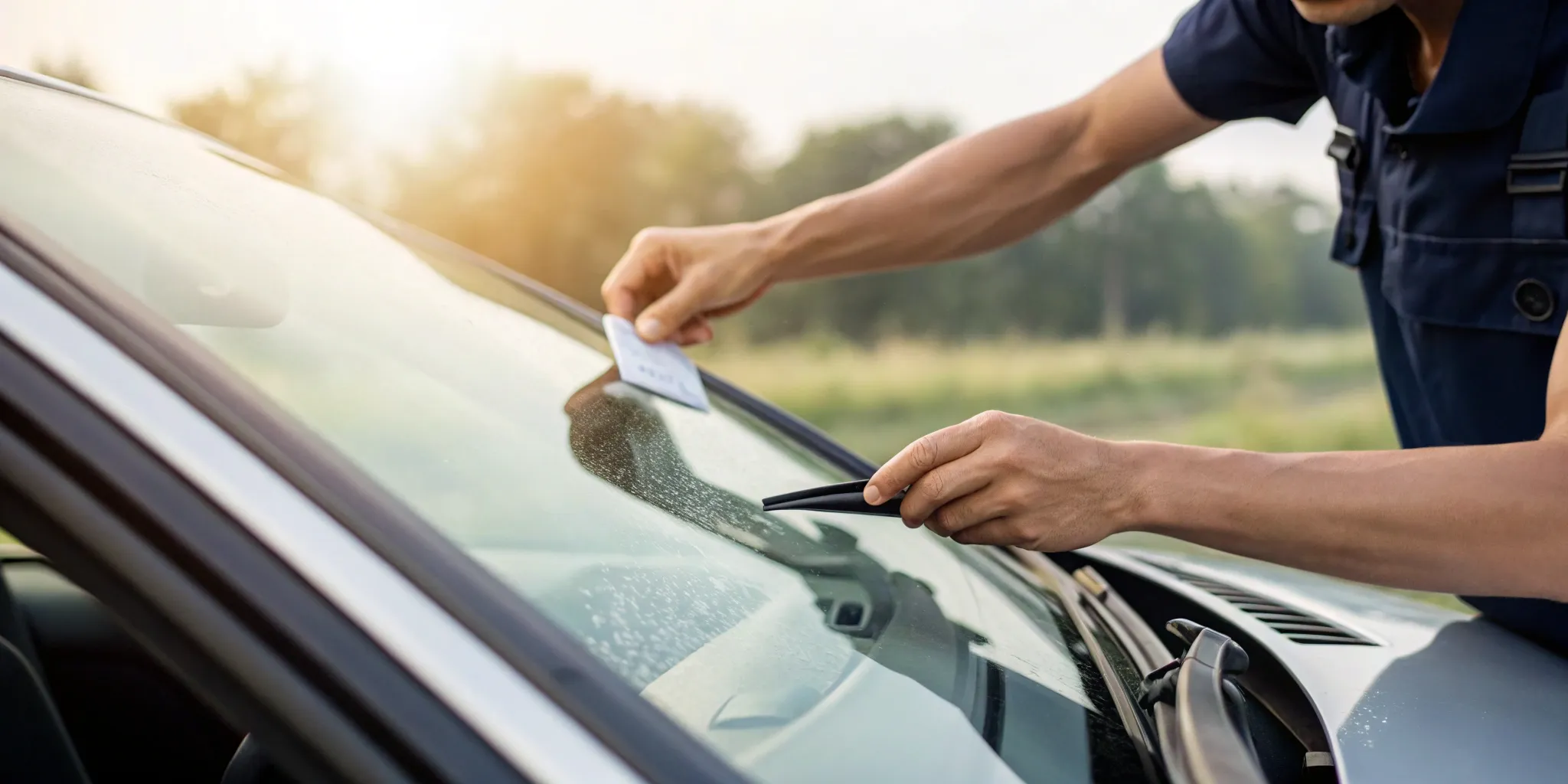
Replacing a windshield isn’t as simple as it used to be. Today’s cars are packed with advanced safety features—cameras and sensors that are often mounted directly to the glass. This technology makes driving safer, but it also complicates the repair process and the cost. If you drive a newer vehicle, the question of “how much does it cost to replace a windshield with insurance?” involves more than just the glass. You have to factor in the critical step of ADAS recalibration. Let’s break down why modern windshields cost more and what your insurance will actually cover in this high-tech process.
Key Takeaways
- Vehicle Technology is the Biggest Cost Factor: The price of a new windshield is directly tied to your car’s features. Advanced systems like lane-keeping assist require more complex glass and a mandatory safety recalibration, which increases the overall cost compared to a basic replacement.
- Compare the Quote to Your Deductible: Before filing an insurance claim, find out the full replacement cost. If the price is close to or less than your comprehensive deductible, paying out of pocket is often the smarter financial move to protect your claim-free discount.
- A Simple Repair Can Save You Hundreds: Don’t overlook the possibility of a repair for small chips and cracks. It’s significantly less expensive than a full replacement, and many insurance providers will cover the entire cost without requiring you to pay a deductible.
What Does a New Windshield Cost?
So, you’ve got a cracked windshield. The first question that probably pops into your head is, “How much is this going to set me back?” The truth is, there’s no single price tag for a windshield replacement. The cost can swing pretty widely depending on what you drive and the technology built right into the glass. Think of it less like buying a product off the shelf and more like a specialized service tailored to your specific vehicle.
Several key factors determine the final bill, from the make and model of your car to its advanced safety features. A simple replacement on an older car is a completely different job than one on a new vehicle with integrated sensors and cameras. Understanding these variables will help you get a clearer picture of the potential cost. Let’s break down what you can expect to pay so you can feel prepared and confident when you get a quote.
The Basic Price Range
For a standard vehicle without a lot of high-tech bells and whistles, you can generally expect a windshield replacement to cost between $300 and $600. This price range typically covers the glass and labor for a common car model. If your car doesn’t have features like rain sensors, lane departure warnings, or other technology embedded in the windshield, your cost will likely fall on this end of the spectrum. It’s the most straightforward type of replacement, getting you back on the road safely without breaking the bank.
Extra Costs for Advanced Features
Does your car have features like rain-sensing wipers, a heads-up display, or lane-keeping assist? These technologies rely on sensors and cameras that are often mounted directly onto your windshield. When you have these advanced systems, the replacement glass itself is more complex and, therefore, more expensive. For vehicles packed with this kind of tech, the cost for a windshield replacement can easily jump to over $1,000. The specialized glass and the meticulous care required to protect the integrated technology both contribute to the higher price.
How Your Vehicle Type Affects the Price
It probably won’t surprise you that the type of vehicle you drive plays a huge role in the cost. A windshield for a brand-new luxury SUV will cost significantly more than one for a 10-year-old sedan. Costs can range from around $250 on the low end to nearly $1,800 for high-end models. Specialized vehicles like RVs and trucks often require larger, more expensive glass, while the unique specifications for exotic cars also drive up the price. The year, make, and model are the first things a technician will ask for when preparing your quote.
The Impact of ADAS Technology
Many modern cars come equipped with Advanced Driver-Assistance Systems (ADAS). These are the safety features that help with things like automatic emergency braking and staying in your lane. The forward-facing camera for these systems is usually mounted on your windshield. After a new windshield is installed, this camera must be recalibrated to ensure it functions correctly. This isn’t an optional step—it’s essential for your safety. This windshield recalibration is a separate service that adds to the overall cost, ensuring your safety features work exactly as they should.
Does Your Insurance Cover a New Windshield?
Figuring out if your car insurance will pay for a new windshield can feel like a puzzle. The short answer is: it depends on your policy. While basic liability coverage won’t help, having the right kind of insurance can make a huge difference in your out-of-pocket costs. Let’s break down what you need to know about your coverage, what’s typically included, and how your location can play a role in what you pay.
Which Types of Coverage Apply
If you only have the minimum liability insurance required by law, it unfortunately won’t cover damage to your own windshield. Liability coverage is designed to pay for damage you cause to other people or their property in an accident. To get your windshield covered, you’ll typically need what’s often called “full coverage.” This isn’t a specific type of policy, but a combination of coverages that usually includes comprehensive and collision insurance. These are the policies that protect your own vehicle from damage, and our team can help you navigate the auto glass claims process.
What Your Policy Typically Covers
So, what’s the difference between comprehensive and collision? Think of it this way: collision insurance covers your windshield if it’s damaged in a car accident you cause. Comprehensive insurance, on the other hand, is for almost everything else. It covers damage from non-crash events, like a rock flying up from the road, a tree branch falling on your car during a storm, hail damage, or even hitting an animal. Most windshield damage falls under the comprehensive category, which is great news for many drivers who need a windshield replacement.
Common Exclusions to Know
The most common reason a windshield replacement isn’t covered is that the driver only has liability insurance. Again, this basic policy is only for damage you cause to others—it offers no protection for your own car. So, if a stray rock cracks your windshield or a hailstorm leaves its mark, liability coverage won’t pay for the repairs. It’s essential to check your policy documents to see if you have comprehensive coverage before you assume you’re protected. If you’re unsure, our team can help you understand what to ask your provider.
State-Specific Insurance Laws
Insurance rules aren’t the same everywhere, and some states have specific laws that can work in your favor. A few states, including Florida, Kentucky, and South Carolina, have what are known as “zero deductible” or “full glass coverage” laws. In these states, if you have comprehensive insurance, your provider is required to waive your deductible for windshield repairs or replacement. This means you could get a brand-new windshield without paying anything out of pocket. It’s always a good idea to check your local state laws to see if this applies to you.
What Are Zero-Deductible States?
Let’s look a little closer at those zero-deductible states. If you live in one of them and carry comprehensive coverage, you’re in luck. The law essentially says that since a clear, undamaged windshield is critical for safe driving, you shouldn’t have to pay a deductible to get it fixed. This encourages drivers to handle windshield damage immediately instead of putting it off due to cost. If you’re not in one of these states, you’ll likely have to pay your comprehensive deductible. Either way, you can always get a quote from us to understand the full cost upfront.
Should You File an Insurance Claim?
So, you have a cracked windshield and insurance to cover it. The next step seems obvious: file a claim, right? Not always. Deciding whether to go through your insurance or pay out of pocket is a common dilemma, and the best choice depends on your specific situation. It’s a financial decision that involves weighing the immediate cost of the replacement against the potential long-term effects on your insurance policy. Before you pick up the phone to call your agent, let’s walk through the key factors you need to consider to make the smartest move for your wallet.
How Your Deductible Works
First things first, let’s talk about your deductible. This is the amount of money you have to pay out of pocket for a claim before your insurance company starts to contribute. For a full windshield replacement, you’ll typically file under your comprehensive coverage, and your deductible will apply. For example, if your deductible is $500 and the replacement costs $800, you pay the first $500, and your insurer covers the remaining $300. Knowing your deductible is the first step in figuring out if a claim is worthwhile. We can help you understand the process and work with your provider to make your auto glass claims as smooth as possible.
When to Pay Out of Pocket
Here’s a simple rule of thumb: if the cost to replace your windshield is less than your deductible, it makes no sense to file a claim. Your insurance won’t pay anything toward the repair, and you’ll just have an unnecessary claim on your record. It’s also worth considering paying out of pocket even if the cost is slightly more than your deductible. If your deductible is $500 and the replacement is $575, filing a claim only saves you $75. For that small amount, you might decide it’s better to handle the bill yourself to avoid any potential impact on your insurance history.
Will Your Premiums Go Up?
This is the million-dollar question for most drivers. The good news is that a single comprehensive claim for a windshield replacement usually won’t cause a direct spike in your premium like an at-fault accident would. However, there’s a catch. Many insurance companies offer a “claim-free” or “good driver” discount. Filing a claim, even for something as minor as glass damage, could cause you to lose that discount. Losing a 10% or 15% discount at your next renewal is essentially a rate hike, so it’s a hidden cost you need to factor into your decision.
What Happens if You File Multiple Claims
While one glass claim might fly under the radar, filing several in a short period can raise a red flag with your insurer. Insurance companies track claim frequency to assess risk. If you file for a new windshield this year and another one next year, they might see you as a higher-risk client. This could lead to higher premiums when it’s time to renew your policy. Because of this, it’s wise to be selective about when you file a claim. Think of it as a tool to use for major expenses, not every minor incident.
Weighing the Costs and Benefits
Ultimately, the decision comes down to a simple cost-benefit analysis. Start by getting a clear, upfront price for your windshield replacement. Once you have that number, compare it directly to your comprehensive deductible. If the replacement cost is significantly higher than your deductible, filing a claim is likely your best bet. But if the cost is close to or below your deductible, paying out of pocket is probably the smarter financial move. This approach protects your claim-free discount and keeps your insurance record clean. The best first step is always to get a quote so you know exactly what costs you’re working with.
Filing a Claim: A Step-by-Step Guide
Dealing with a cracked windshield is stressful enough without adding insurance paperwork to the mix. But filing a claim doesn’t have to be a headache. The process is usually more straightforward than you might think, especially when you know what to expect. We’re here to walk you through it, step by step, so you can get back on the road safely and with a clear view. From making that first call to your insurance agent to ensuring your car’s safety features are working perfectly after the repair, we’ve got you covered. Think of this as your simple roadmap to getting your windshield fixed without the fuss. We’ll cover what documents you’ll need, how to pick the right repair shop, and why some modern repairs require an extra step. Let’s break down exactly what you need to do to get your auto glass fixed and have your insurance cover the bill. This guide will help you feel confident and prepared, turning a potentially confusing process into a series of simple, manageable actions. By the end, you’ll understand how to work with your insurer and your chosen auto glass professional to get the job done right.
How to Start a Glass Claim
The first thing you should do is contact your insurance provider as soon as the damage occurs. Don’t wait. Most companies make it easy to start a claim online, through their mobile app, or over the phone. Before you reach out, gather a few key pieces of information to make the process go smoothly. You’ll need your policy number, the date and time the damage happened, and a basic description of what caused it—whether it was a rock on the highway or a neighborhood baseball game. Having these details ready will help your insurance agent process your claim quickly and get you started on the path to repair.
Documents You’ll Need
Having your paperwork in order will make the entire claims process much smoother. In most cases, you’ll just need your basic insurance policy information and your vehicle registration. However, if the damage was the result of a collision, theft, or vandalism, you may also need a copy of the police report. Filing a report for these types of incidents creates an official record that your insurance company can use to verify the claim. Keeping digital or physical copies of these documents handy will prevent any delays and show your insurer that you’re on top of things.
How to Choose a Service Provider
Your insurance company might have a list of “preferred” auto glass shops, but you should know that in most states, the choice of where to get your car repaired is ultimately yours. You don’t have to go with their suggestion. Instead, you can choose a trusted, certified shop that you feel comfortable with. A reputable provider will not only do excellent work but can also help with auto glass claims by communicating directly with your insurance company. This can save you a lot of time and hassle, as they can handle the billing and paperwork on your behalf.
What to Look for in a Professional Installation
Not all windshield replacements are created equal. A professional installation is about more than just fitting a new piece of glass. Look for a shop that uses high-quality glass (either OEM or equivalent) and employs certified technicians. The adhesive used to seal the windshield is also critical; a proper seal ensures there are no leaks and that the windshield contributes to your vehicle’s structural integrity in an accident. If your car has modern safety features, the work doesn’t stop once the glass is in. The sensitive cameras and sensors attached to your windshield will need special attention.
Why ADAS Recalibration Is Necessary
Many modern vehicles come with Advanced Driver-Assistance Systems (ADAS) that rely on cameras and sensors mounted to the windshield. These systems control safety features like lane-keeping assist, forward collision warnings, and automatic emergency braking. After a windshield replacement, these systems must be precisely recalibrated to function correctly. Even a millimeter of difference in camera angle can cause these features to fail when you need them most. Think of windshield recalibration as a crucial final step in the replacement process—it’s a non-negotiable safety measure that ensures the technology designed to protect you is working exactly as intended.
How to Save on Your Windshield Replacement
A cracked windshield is an expense nobody plans for, but it doesn’t have to break the bank. With a little know-how, you can make smart decisions that keep more money in your pocket. From understanding your repair options to working with your insurance, here are a few practical ways to manage the cost of your windshield replacement.
Deciding Between Repair vs. Replacement
The most straightforward way to save money is to see if you can repair the damage instead of replacing the entire windshield. A windshield chip repair is almost always less expensive, and many insurance policies will cover the full cost without a deductible. So, how do you know if a repair is an option? A good rule of thumb is the size: small chips (about a quarter) and short cracks (under six inches) can often be repaired. Anything larger, or damage in the driver’s line of sight, typically requires a full replacement for safety.
Choosing OEM vs. Aftermarket Glass
When you get a replacement, you’ll choose between OEM and aftermarket glass. OEM (Original Equipment Manufacturer) glass is made by your car’s original manufacturer. Aftermarket glass is made by a different company to fit your vehicle and is usually more affordable. Most insurance policies cover aftermarket glass by default, so you might pay extra for OEM. While some worry about quality, a reputable shop uses high-quality aftermarket glass that meets federal safety standards, giving you a safe and reliable windshield replacement.
Working with Your Insurance Network
If you have comprehensive coverage, your policy will likely cover windshield damage. In most cases, you’ll just pay your deductible, and insurance handles the rest. The key is to understand your policy before you need it. A great perk is that many plans waive the deductible for repairs, encouraging you to fix small chips before they spread into larger cracks. We can help you understand your options and even assist with the auto glass claims process to make it as smooth as possible.
Talking Costs with Your Service Provider
Before any work, always ask for a detailed quote to avoid surprises. It’s also smart to compare prices to ensure you’re getting a fair deal. A trustworthy provider will be transparent about their pricing. Once you have a quote, you can decide whether to file a claim or pay out of pocket. If the total cost is less than or close to your deductible, it often makes more sense to pay for it yourself. This prevents a small claim from potentially affecting your premiums. Ready to see what your repair might cost? You can get a quote to start the process.
Why Modern Windshields Cost More
If you’ve had to replace a windshield recently, you might have noticed the bill was higher than you expected. You’re not imagining things. The cost of windshields has gone up, and it’s largely because they do so much more than just block the wind. Modern windshields are sophisticated pieces of technology that are integral to your car’s safety and performance. Let’s break down what goes into the price.
Understanding Advanced Safety Features
Many new vehicles come with Advanced Driver-Assistance Systems (ADAS) that make driving safer. Features like lane-keeping assist, adaptive cruise control, and automatic emergency braking rely on cameras and sensors mounted directly onto your windshield. When this technology is part of the glass, the windshield itself becomes a complex electronic component. This integration is a major reason why a replacement for a car with these advanced features can cost significantly more than one for an older model without them. The glass isn’t just glass anymore; it’s the eyes for your car’s smartest safety systems, and that added complexity comes with a higher price tag.
The Need for Recalibration
When you replace a windshield that has ADAS technology, the job isn’t finished once the new glass is in place. The system’s cameras must be precisely recalibrated to ensure they function correctly. Even a tiny misalignment can cause safety features to fail when you need them most. This essential windshield recalibration process requires specialized equipment and training, adding a necessary step—and an associated cost—to the replacement service. Think of it as re-focusing a camera lens; it has to be perfect to get a clear picture. This step is crucial to keep you safe on the road.
How Technology Adds to the Cost
Beyond safety cameras, other technologies add to the cost of modern windshields. Many cars now feature acoustic glass to reduce road noise, heated elements for quick defrosting, or special coatings for heads-up displays (HUDs) that project information onto the glass. Each of these advancements requires a more complex manufacturing process, making the glass itself more expensive to produce. While these features make for a much more comfortable and convenient driving experience, they also mean that a simple piece of glass has been replaced by a highly specialized, and therefore more valuable, component of your car.
Following Manufacturer Specifications
When it’s time for a replacement, you have a choice between Original Equipment Manufacturer (OEM) and aftermarket glass. OEM glass is made by the same company that produced the original windshield for your vehicle, guaranteeing a perfect fit and function. While high-quality aftermarket glass is a great option, some drivers prefer the peace of mind that comes with OEM parts, especially for newer cars with complex systems. This choice can add a few hundred dollars to the final bill, but for many, it’s worth it to maintain the vehicle’s original specifications and ensure seamless integration with all its features.
Meeting Quality and Safety Standards
Your windshield does more than give you a clear view of the road—it’s a critical safety component. It provides structural support to the vehicle’s frame, helps your airbags deploy correctly in a collision, and prevents you from being ejected during a serious accident. Because of this vital role, a professional windshield replacement must meet strict safety standards. Using high-quality materials and ensuring a proper installation are non-negotiable for your safety. This commitment to quality and adherence to safety protocols is a key part of the service, and it’s reflected in the final cost of a job done right.
Windshield Insurance Myths, Busted
Navigating auto insurance can feel like a maze, especially when you’re dealing with the stress of a damaged windshield. There’s a lot of confusing information out there, but understanding your policy doesn’t have to be complicated. Let’s clear up some of the most common myths about windshield insurance so you can make confident decisions about your repair.
Common Coverage Misconceptions
You might think your standard car insurance automatically covers a cracked windshield, but that’s rarely the case. Basic liability insurance is designed to cover damage you cause to other people or their property—not your own vehicle. For your windshield to be covered, you typically need comprehensive coverage. This is an add-on to your policy that protects you from non-collision events, like a rock flying up from the road, a tree branch falling on your car, or vandalism. Before you assume you’re covered, it’s always a good idea to check your policy for comprehensive coverage.
The Truth About Deductibles
Even with comprehensive coverage, a “covered” repair isn’t always free. You’ll likely have a deductible, which is the amount you have to pay out of pocket before your insurance company contributes. For example, if your deductible is $500 and a full windshield replacement costs $700, you’ll pay the first $500, and your insurance will cover the remaining $200. If the cost of a simple chip repair is less than your deductible, it makes more sense to pay for it yourself instead of filing a claim.
How Claims Really Affect Your Premium
Many drivers worry that filing a claim for a windshield will cause their insurance rates to skyrocket. Fortunately, that’s usually not true. A comprehensive claim for glass damage is typically considered a “no-fault” claim and is unlikely to impact your premium, especially if it’s your first one. However, it’s worth noting that some insurance providers offer a “claim-free” discount. Filing a claim could cause you to lose that specific discount, so it’s always smart to weigh the out-of-pocket cost against the potential loss of your discount before you decide to file a claim.
Do You Have to Use Their Provider?
When you file a claim, your insurance company might suggest a “preferred” auto glass shop. But here’s the secret: you almost always have the right to choose your own service provider. Your insurer can’t force you to go to a specific shop. This gives you the freedom to select a trusted, certified technician who you know will do the job right. It’s important to work with a company that uses high-quality glass and can perform the necessary windshield recalibration for your car’s advanced safety systems. Don’t just go with the default option—choose the expert you feel most comfortable with.
Related Articles
- How Much to Replace a Windshield? A 2025 Guide
- How Much Does a Windshield Replacement Cost?
- How Much Does a Windshield Replacement Cost? A Price Guide
- Get a Quote for Windshield Replacement: A Simple Guide
Frequently Asked Questions
Why can’t I get a single, flat-rate price for a windshield replacement? Think of a windshield less like a generic part and more like a component tailored specifically to your car. The final cost depends heavily on your vehicle’s make, model, and year. More importantly, modern windshields often have advanced technology built right in, like sensors for your rain-sensing wipers or cameras for your safety systems. This specialized glass and the careful labor required to install it correctly are what cause the price to vary so much from one car to the next.
Will filing a windshield claim make my insurance premium go up? This is a common worry, but the good news is that a single comprehensive claim for glass damage usually won’t cause a direct rate hike like an at-fault accident would. However, there’s a small catch. Many insurers offer a “claim-free” discount, and filing a claim could cause you to lose that perk at your next renewal. It’s a hidden cost to consider when deciding whether to pay out of pocket or file a claim.
What is ADAS recalibration, and do I really need it? If your car has safety features like lane-keeping assist or automatic emergency braking, it uses a forward-facing camera mounted on your windshield. After a replacement, that camera must be perfectly re-aimed to ensure those systems work correctly. This process is called recalibration, and it is absolutely essential. Skipping it could mean your safety features fail when you need them most, so it’s a non-negotiable step for a safe repair.
Is it better to repair a small chip or just wait? You should always get a small chip fixed as soon as possible. A quick repair is much more affordable than a full replacement and is often completely covered by insurance without you having to pay a deductible. More importantly, temperature changes and road vibrations can easily turn that tiny chip into a large crack, forcing you into a more costly replacement down the road.
My insurance company suggested a repair shop. Do I have to use them? In most states, the law gives you the right to choose your own repair facility. While your insurance provider may have a network of “preferred” shops, you are not obligated to use them. This allows you to select a certified, reputable company that you trust to handle the job correctly, especially when dealing with the complex technology in modern vehicles.
