
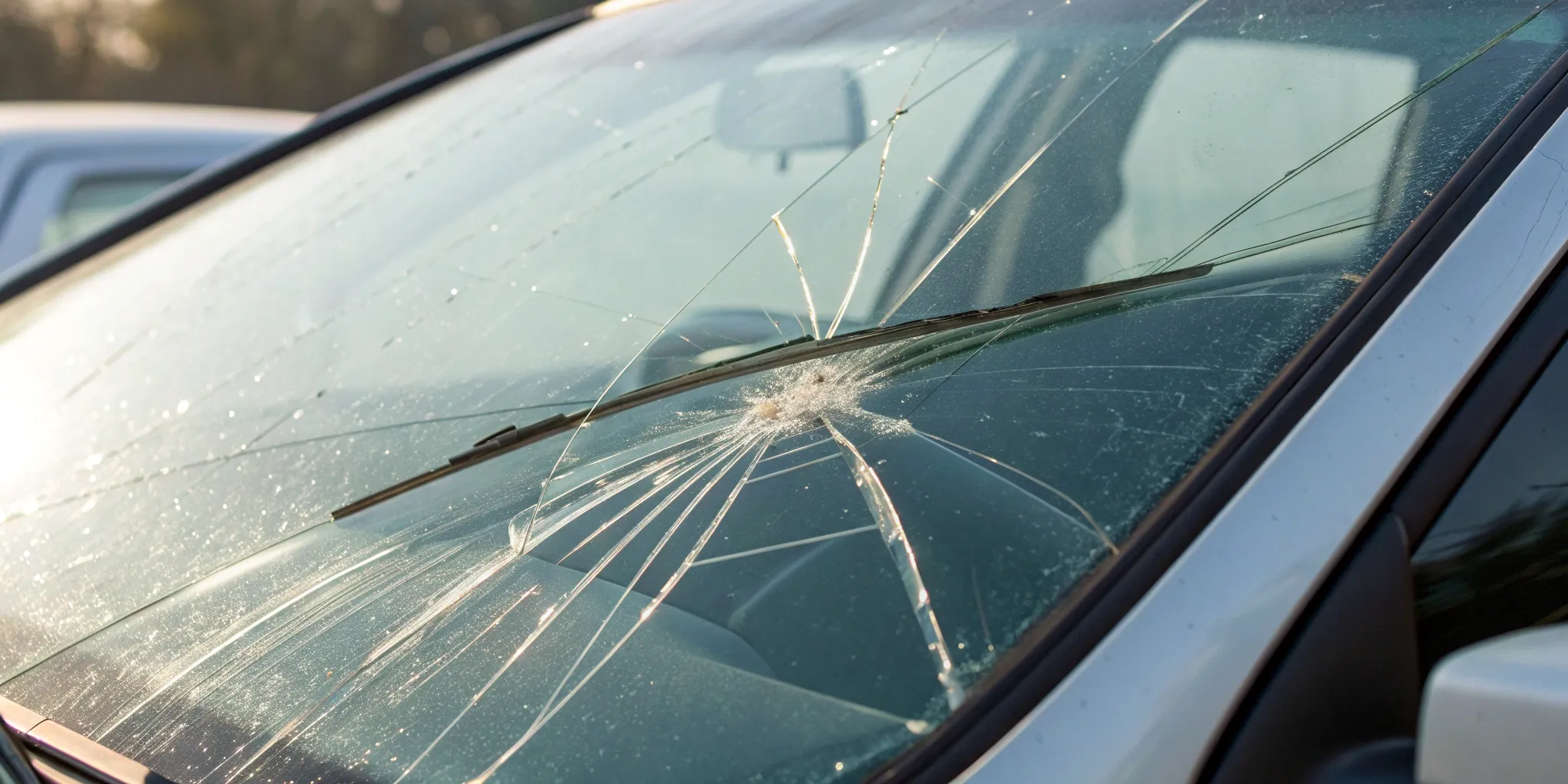
A new crack in your windshield often brings up two immediate concerns: safety and money. While your first instinct might be to find the cheapest fix, it’s important to remember that your windshield is a critical piece of safety equipment. It provides structural support and ensures your airbags work correctly. The true cost to fix a cracked windshield isn’t just about the price tag; it’s about investing in a quality repair that keeps you safe. This article will explain the differences between materials, the importance of certified technicians, and why a quality installation is worth every penny for your long-term peace of mind.
Key Takeaways
- Fix small chips right away: That tiny chip can quickly turn into a costly crack. A fast, affordable repair now will save you from needing a full windshield replacement later.
- Look for quality, not just a low price: Your windshield is a key safety feature. A proper installation with certified materials and a good warranty is essential for your protection, so choose a reputable technician over the cheapest quote.
- Use your insurance to your advantage: Your comprehensive policy will likely cover a chip repair for free. For a full replacement, understanding your deductible and working with a shop that handles claims directly makes the process much smoother.
What Kind of Windshield Damage Do You Have?
That new mark on your windshield can be frustrating, but don’t panic. The first step in figuring out your next move—and the potential cost—is to get a clear idea of what you’re dealing with. The type, size, and location of the damage are the three biggest factors that determine whether you’re looking at a quick fix or a full replacement. A tiny chip on the passenger side is a completely different story than a long crack running right through your line of sight. Taking a moment to assess the situation will help you understand your options and have a more productive conversation with a technician. Let’s walk through what to look for.
Is It a Chip or a Crack?
First, let’s clear up the terminology. A chip is typically a small point of impact, often circular, like a bullseye or a starburst, caused by a rock or debris hitting the glass. A crack is a distinct line that can spread across the windshield. While chips are small, they shouldn’t be ignored. Temperature changes and road vibrations can easily cause a chip to expand into a major crack. The good news is that most windshield chip repairs are fast and affordable, often costing less than $100. Acting quickly on a chip can save you from a much more expensive replacement down the road.
How Damage Location Affects Your Options
Where the damage occurred is just as important as its size. If the chip or crack is directly in the driver’s line of sight, a repair might not be possible. Even a perfect repair can leave a slight distortion in the glass, which can be a dangerous distraction while driving. For this reason, many technicians will recommend a full replacement for safety. Damage that is close to the edge of the windshield is also a major concern. A crack or chip near the perimeter can weaken the entire structure of the glass, compromising its ability to protect you in an accident. This is another scenario where a replacement is usually the safest bet.
Repair or Replace: Making the Right Call
So, how do you decide? A good rule of thumb is the “dollar bill test”—if the chip or crack can be completely covered by a dollar bill, it can likely be repaired. However, this is just a guideline. The final call depends on the damage’s depth, location, and type. A simple repair is always the more budget-friendly option, typically ranging from $50 to $125. In contrast, a full windshield replacement can start around $400 and go up significantly from there. Many insurance providers will even waive your deductible for a repair, making it a no-cost fix for you. A professional evaluation is the only way to know for sure which solution is right for your car.
What Factors Into Your Final Bill?
When you get a quote for a windshield repair or replacement, you might wonder why the price isn’t a simple, flat rate. The truth is, the final cost depends on a handful of specific factors that are unique to your vehicle and situation. Think of it less like buying a product off the shelf and more like a custom service tailored to your car’s needs.
From the type of car you drive to the technology embedded in your windshield, each element plays a role in determining the total price. Understanding these components will help you see exactly what you’re paying for and why investing in a quality job is so important for your safety. Let’s break down the five main things that influence your final bill.
Your Car’s Make and Model
It probably comes as no surprise that the car you drive has a big impact on the cost of a new windshield. A standard sedan will almost always be less expensive than a luxury vehicle or a large truck. High-end cars often have unique windshield shapes, sizes, or tints that require specialized glass. The same goes for RVs and trucks, which need much larger and more durable panes. For exotic vehicles, the glass is often a custom order, which adds to the overall cost. The more common your vehicle, the more likely it is that affordable glass is readily available.
The Type of Glass You Choose
You generally have two options for replacement glass: OEM and aftermarket. OEM stands for Original Equipment Manufacturer, meaning the glass is made by the same company that produced the original windshield for your car. It’s a perfect match but usually costs more. Aftermarket glass is made by a different company and is designed to fit your vehicle. It’s a more budget-friendly option that still meets federal safety standards. We can help you understand the pros and cons of each and decide which type of glass is the right choice for your car and your wallet.
Advanced Safety Features and Recalibration
Does your car have features like lane-keep assist, adaptive cruise control, or automatic emergency braking? These systems are part of your car’s Advanced Driver-Assistance Systems (ADAS), and their cameras and sensors are often mounted on the windshield. When the windshield is replaced, these systems must be precisely recalibrated to function correctly. This windshield recalibration is a critical safety step that requires specialized equipment and expertise, adding to the service cost. Skipping it could mean your safety features won’t work when you need them most.
Your Location and Service Provider
Where you live can also affect the price of auto glass services. Labor rates and the cost of materials can vary from one city to another. The service provider you choose matters, too. While it might be tempting to go with the cheapest quote, a reputable shop with certified technicians ensures the job is done right. At Winaffix, we pride ourselves on transparent pricing and top-notch service, so you know you’re getting a fair price for quality work. You can always get a quote from us to see how we compare.
The Urgency of Your Repair
One of the biggest factors in your final bill is whether you need a simple repair or a full replacement. Acting fast on a small chip can often save you from a much bigger expense later. Windshield chip repairs are significantly cheaper and quicker than replacing the entire piece of glass. If you wait, that tiny chip can easily spread into a large crack from temperature changes or road vibrations, leaving a full replacement as your only option. Addressing damage early is the best way to keep your costs down.
A Closer Look at Repair vs. Replacement Costs
Let’s talk numbers. When you’re dealing with a damaged windshield, one of the first questions that comes to mind is, “How much is this going to cost me?” The answer depends entirely on whether you need a simple repair or a full replacement, and the price difference between the two can be significant. Understanding the potential costs upfront helps you make a smart decision and avoid any surprises down the road. A small chip might seem like a minor annoyance, but leaving it alone can allow it to spread into a large crack, turning a small problem into a major expense. Acting fast often means you can get away with a much more affordable repair. On the other hand, extensive damage leaves you with no choice but a full replacement, which involves more labor, more materials, and, consequently, a higher price tag. We’ll break down what you can expect to pay for each service, look at potential hidden fees that can pop up, and clarify whether convenient mobile service will add to your final bill. Knowing these details will help you feel more confident when you call for a repair.
What to Expect for a Simple Repair
If you’ve caught the damage early and it’s just a small chip or crack, you’re in luck. A windshield chip repair is a quick, effective, and budget-friendly solution. Generally, you can expect a professional repair to cost between $50 and $150. The final price depends on the size and location of the damage, but it’s a fraction of what you’d pay for a full replacement. This process involves injecting a special resin into the damaged area, which hardens to restore the windshield’s strength and clarity. It’s a straightforward fix that saves you both time and money, all while preventing the damage from spreading.
The Price Tag on a Full Replacement
When the damage is too severe for a simple fix, a full windshield replacement is the only safe option. This is a more involved process, and the cost reflects that. Prices for a replacement can range anywhere from $400 to over $1,000. Why the wide range? The cost is heavily influenced by your vehicle’s make and model. Luxury cars, exotic vehicles, and newer models with special features often require more expensive glass and more complex installation procedures. While it’s a bigger investment, a proper replacement is crucial for your safety and the structural integrity of your vehicle.
Are There Any Hidden Fees?
It’s frustrating when the final bill is higher than the initial quote. While a reputable company will be transparent about costs, there are a few factors that can increase the price of a windshield replacement. If your car has Advanced Driver-Assistance Systems (ADAS) like lane departure warnings or automatic braking, the forward-facing camera will need windshield recalibration after the new glass is installed. This essential safety step is often a separate charge. Other potential costs could include special moldings or the disposal of the old windshield. Always ask for a detailed, itemized quote to see exactly what you’re paying for.
Does Mobile Service Cost Extra?
Life is busy, and taking your car to a shop isn’t always convenient. That’s where mobile service comes in, but does it cost more? In many cases, no. Companies like Winaffix offer mobile service as a standard part of their commitment to customer convenience, bringing the repair shop directly to your home or workplace at no additional charge. This saves you time and hassle without adding to your bill. However, it’s always a good idea to confirm when you get a quote, as policies can vary between providers. A trustworthy company will be upfront about any potential fees for their mobile services.
Will Your Insurance Cover the Damage?
The moment you see a crack spread across your windshield, one of the first questions that pops into your head is probably, “Who’s paying for this?” The good news is that your car insurance policy will often cover the cost, but it all comes down to the type of coverage you have. Typically, you’ll need comprehensive coverage to handle windshield damage. This is the part of your policy that pays for damage from events other than a collision, like a rock flying up from the road, a tree branch falling on your car, or even hitting an animal.
If you have this coverage, your policy can cover either a repair or a full replacement. The process can feel a bit confusing, but it doesn’t have to be. At Winaffix, we handle auto glass claims every day and can walk you through every step, from figuring out your coverage to filing the paperwork with your provider. Our goal is to make the experience as smooth and stress-free as possible so you can get back on the road safely.
How to Check Your Policy
Not sure what your policy includes? The quickest way to find out is to look at your insurance documents or log into your provider’s online portal. Search for terms like “comprehensive coverage” or “glass coverage.” Some policies even have a separate, lower deductible specifically for glass damage. If you’re having trouble finding the details, just give your insurance agent a call. They can explain your coverage in plain English. We can also help you get the answers you need. Winaffix works with most major insurance companies, so we can often verify your coverage for you and explain what’s included before any work begins.
The Claims Process and Your Deductible
Once you confirm you have coverage, the next step is understanding your deductible. A deductible is simply the amount you have to pay out of pocket before your insurance kicks in. For a full windshield replacement, you’ll typically pay your deductible, and your insurance will cover the rest. However, there’s a great incentive to act fast on smaller issues. Many insurance companies will waive the deductible entirely if the damage is small enough for a windshield chip repair. This means a quick, professional repair could cost you nothing out of pocket and prevent a tiny chip from turning into a costly crack.
What Is Direct Billing?
To make things even easier, most reputable auto glass shops, including Winaffix, offer direct billing. This is a huge time-saver that takes the hassle out of the payment process. Instead of you paying the full amount upfront and waiting for your insurance company to reimburse you, we bill them directly for the covered amount. We handle all the paperwork and communication with your provider. All you have to do is pay your deductible, if you have one. It’s a seamless process designed to get your car fixed with minimal disruption to your day.
Common Myths About Insurance Coverage
Many drivers hesitate to file a claim because they worry it will make their insurance rates go up. While this can be true for at-fault accidents, comprehensive claims for glass damage usually don’t impact your premiums in the same way. Another myth is that it’s not worth using insurance for a windshield. The math often proves otherwise. For example, if a full windshield replacement costs $500 and your deductible is $250, filing a claim saves you $250. It’s always worth checking your policy to see if making a claim is the most cost-effective choice for you.
Why Quality Matters More Than Price
When you’re staring at a crack in your windshield, it’s tempting to find the quickest, cheapest fix. I get it—no one budgets for auto glass damage. But your windshield is more than just a window; it’s a critical safety feature. It provides structural support to your car’s frame, helps your airbags deploy correctly, and prevents you from being ejected during a collision. Choosing a service based on price alone can compromise all of that.
A low-cost repair might mean you’re getting subpar materials or a rushed installation from an inexperienced technician. These shortcuts can lead to big problems down the road, like leaks, wind noise, or even a complete failure of the windshield in an accident. Investing a little more upfront for a quality job from a reputable provider ensures the repair is done right the first time. This protects your car’s integrity and, more importantly, keeps you and your passengers safe. It’s about long-term value and peace of mind, not just a short-term bargain.
OEM vs. Aftermarket Glass: What’s the Deal?
When you need a full windshield replacement, you’ll hear two terms: OEM and aftermarket. OEM stands for Original Equipment Manufacturer, meaning the glass is made by the same company that produced the original for your car. It’s a perfect match. Aftermarket glass is made by a different company. While it’s designed to fit your vehicle, the quality can vary.
Opting for an aftermarket windshield is often less expensive, but it’s essential to confirm that the glass meets federal safety standards. A high-quality aftermarket option can be a great value, but a low-quality one might have distortions or fit poorly. Always ask your technician about the glass they use and its certifications.
Look for Safety Standards and Certifications
Not all auto glass is created equal. To ensure your safety, windshields must meet specific federal regulations for durability, clarity, and impact resistance. Reputable auto glass shops will only use glass that is DOT-certified (Department of Transportation). This certification is usually marked on the glass itself, so you can see it.
Using certified glass ensures your new windshield will perform as intended during an accident. It guarantees the glass won’t shatter dangerously and will properly support the vehicle’s roof in a rollover. Don’t be afraid to ask your service provider about the safety standards of their materials. A professional shop will be happy to confirm they use high-quality, certified glass for all their services.
The Importance of a Good Warranty
A warranty is more than just a piece of paper; it’s a company’s promise to stand behind its work. For auto glass, a solid warranty typically covers defects in the glass itself and issues with the installation, like air or water leaks. This gives you recourse if something goes wrong after you drive away, without you having to pay for it all over again.
Before you commit to a repair, always ask about the warranty. What does it cover, and for how long? A shop that offers a comprehensive, lifetime warranty on their workmanship is showing confidence in their technicians and materials. It’s a clear sign that you’re dealing with a professional service that prioritizes quality and customer satisfaction.
How to Ensure Your Repair Lasts
The longevity of your windshield repair or replacement comes down to two things: the quality of the materials and the skill of the technician. For a chip repair, a technician should use a high-quality resin that cures clear and strong, preventing the chip from spreading. For a replacement, the right adhesive is crucial for creating a permanent, waterproof seal that holds the windshield firmly in place.
To make sure your repair lasts, it’s important to have it done by a qualified technician who follows proper procedures. An experienced professional will take the time to prep the area correctly, use industry-leading materials, and ensure everything cures perfectly. This attention to detail is what separates a quick fix from a lasting, reliable repair.
Should You Fix It Yourself? (A Pro vs. DIY Breakdown)
When you spot a chip in your windshield, it’s tempting to grab a DIY kit from the auto parts store and tackle it yourself. It seems like a quick, cheap fix. But before you go that route, it’s worth weighing the pros and cons. While saving a few dollars upfront is appealing, a windshield repair is one of those jobs where expertise really matters—not just for looks, but for your safety. Let’s break down what you should consider before deciding to go DIY or call a professional.
Comparing the Costs
On the surface, the cost difference seems obvious. A DIY repair kit might set you back $20, while a professional windshield chip repair typically costs between $50 and $150. If you need a full replacement, the price can jump to $800 or more, depending on your vehicle. However, the real cost isn’t just the initial price. A botched DIY job can make the damage worse, turning a simple, repairable chip into a crack that requires a complete and costly replacement. If the DIY fix fails, you can’t just “re-do” it; you’ll have to call a professional anyway, and you’ll be out the cost of the kit and your time.
The Safety Risks of a DIY Job
Your windshield does more than just block wind and rain; it’s a critical safety component of your vehicle. It provides up to 60% of your car’s cabin strength in a rollover accident and helps your airbags deploy correctly. An improper repair can compromise this structural integrity. Driving with a cracked windshield is not only dangerous, but it may also be illegal in your state. Professional technicians are trained to perform repairs that meet strict safety standards, ensuring the glass is secure and your car’s safety systems aren’t compromised. It’s a level of assurance you simply can’t get from a kit.
Differences in Quality and Warranty
There’s a significant gap in quality between a DIY kit and professional service. Technicians use industry-grade resins and specialized tools to create a vacuum and inject the resin deep into the chip, resulting in a stronger, clearer repair. A DIY kit can often leave a cloudy or visible blemish. More importantly, professional shops stand by their work. At Winaffix, our services come with a warranty, giving you peace of mind. If the repair fails or the chip spreads, you’re covered. With a DIY fix, if it doesn’t hold, you have no recourse and are back to square one.
What Can Go Wrong with a DIY Kit
Even with a steady hand, a lot can go wrong with a DIY kit. Applying the resin incorrectly, failing to remove all the air from the chip, or attempting the repair in the wrong temperature can lead to a weak bond. This can cause the crack to spread the next time you hit a pothole or use your defroster. A messy application can also create a visual distortion right in your line of sight. What starts as a small, fixable issue can quickly become a major problem that requires a full windshield replacement, costing you far more than a professional repair would have in the first place.
How to Save Money on Your Windshield Repair
A cracked windshield is an unexpected expense nobody wants, but it doesn’t have to break the bank. While you should never compromise on safety by choosing a low-quality repair, there are several smart ways to manage the cost. Being proactive and informed is your best defense against a high bill. By understanding your options and taking a few simple steps, you can get back on the road safely without overspending. These tips will help you keep more money in your pocket while ensuring your vehicle gets the expert care it needs.
Fix It Sooner Rather Than Later
When it comes to windshield damage, procrastination is your enemy. That tiny chip might seem harmless, but it’s a weak point in the glass. Everyday driving—hitting a pothole, driving over a speed bump, or even changes in temperature—can cause that small chip to spread into a large crack. Once that happens, a simple repair is off the table, and you’re looking at a full replacement.
Repairing a windshield is almost always cheaper than replacing it. A windshield chip repair can often be done quickly and affordably, restoring the structural integrity of the glass. Acting fast not only saves you money but also keeps the original factory seal of your windshield intact, which is always the best-case scenario for your vehicle’s safety.
Get a Few Different Quotes
It pays to do a little research before committing to a service. Windshield repair costs can vary between providers, so getting quotes from a few different shops is a wise move. When you call around, don’t just ask for the price—ask what the quote includes. Does it cover mobile service? Is there a warranty on the workmanship and materials? A quote that seems low at first might come with hidden fees later.
Look for a company that offers transparent, all-inclusive pricing. A trustworthy provider will be happy to break down the costs for you so you know exactly what you’re paying for. You can easily get a quote to understand the potential costs for your specific vehicle and damage, giving you a clear baseline for comparison.
Make the Most of Your Warranty
Before you pay out of pocket, take a moment to check your auto insurance policy. Many people don’t realize that their comprehensive coverage often includes glass repair. In many cases, your insurance provider will cover the full cost of a chip repair without you having to pay a deductible. They do this because it’s much cheaper for them to pay for a small repair now than a full replacement later.
For a full windshield replacement, you’ll likely have to pay your deductible, but your insurance will cover the rest. We can help you navigate the claims process and can often bill your insurance company directly, making the entire experience hassle-free for you.
Simple Tips to Prevent Future Damage
The cheapest repair is the one you never have to make. You can reduce your risk of future windshield damage with a few simple driving habits. First, avoid tailgating, especially behind large trucks or construction vehicles that can kick up rocks and debris. Leave plenty of space between you and the car ahead. Be mindful of where you park, avoiding spots under trees with heavy branches or areas where debris is common.
In the winter, never use hot water to de-ice your windshield, as the sudden temperature change can cause the glass to crack. Use a scraper or your car’s defroster instead. And if you do get a small chip, get it fixed right away to prevent it from spreading.
How to Choose the Right Auto Glass Service
Finding the right auto glass service can feel like a big decision, especially when you’re in a hurry. The shop you choose determines the quality of the materials, the safety of the installation, and your overall peace of mind. A great technician will not only fix the problem but also ensure your vehicle’s safety features function correctly. Taking a few minutes to vet your options can save you from a poor-quality repair that could cost you more down the road.
What to Look For in a Repair Shop
Start by looking at a company’s reputation. What are other customers saying? A history of positive feedback is a strong indicator of reliable service. A company’s reputation is built on real experiences, so take a moment to read through their customer reviews. You should also look for a shop that specializes in auto glass. A dedicated auto glass company will have the specific tools, training, and expertise that a general mechanic might not. They’ll understand the nuances of different vehicle makes and models, ensuring the job is done right the first time.
Key Questions to Ask Before You Commit
Before you hand over your keys, have a few questions ready. First, ask about the warranty they offer on their work and materials. A solid warranty shows they stand behind their service. Next, inquire about the type of glass they use—whether it’s OEM (Original Equipment Manufacturer) or aftermarket. It’s also smart to ask about their experience with your specific vehicle. If you drive a unique car, ask if they have experience with exotic vehicles or RVs. Finally, ask if they offer mobile service. A company that can come to your home or office can save you a significant amount of time and hassle.
Why Technician Certifications Matter
Does it really matter if your technician is certified? Absolutely. Certified technicians are trained to follow strict industry safety standards. This isn’t just about making the glass look good; it’s about ensuring your windshield is installed correctly to protect you in an accident. An improper installation can compromise your vehicle’s structural integrity and the performance of your airbags. Technicians who are certified by organizations like the Auto Glass Safety Council (AGSC) have proven their skills and knowledge. This commitment to quality ensures your repair or replacement is safe, reliable, and often required for insurance claims.
Red Flags to Avoid
Be wary of any auto glass shop that gives you a quote that’s dramatically lower than everyone else’s. While saving money is great, a price that seems too good to be true often points to subpar glass or inexperienced technicians. Another red flag is high-pressure sales tactics. You should never feel rushed into a decision. A trustworthy shop will provide a clear, no-pressure quote and give you the space to make an informed choice. If a company is vague about its warranty, materials, or technician training, it’s best to walk away and find a provider who values transparency.
Related Articles
- How to Repair a Cracked Windshield: A Complete Guide
- How to Repair a Cracked Car Windshield: DIY Steps
- How Much to Replace a Windshield? A 2025 Guide
- How Much Does a Windshield Replacement Cost? A Price Guide
Frequently Asked Questions
How do I know if my windshield can be repaired or if it needs to be replaced? A good rule of thumb is that if the damage is smaller than a dollar bill, it can likely be repaired. However, the location is just as important as the size. If the chip or crack is in your direct line of sight or too close to the edge of the windshield, a full replacement is usually the safest option to ensure your visibility isn’t compromised and the glass structure remains strong.
Will filing an insurance claim for my windshield make my rates go up? This is a common worry, but it’s usually not the case. Windshield damage typically falls under your comprehensive coverage, not collision. Insurance companies generally view these as no-fault claims, like damage from a storm or road debris, so they are unlikely to raise your premiums. In fact, many providers will waive your deductible for a simple chip repair, making it a no-cost fix for you.
Why is there such a big price difference for a new windshield? The final cost depends on a few key things specific to your car. The make and model play a big role, as luxury or larger vehicles require more specialized glass. Another factor is whether your car has advanced safety features like lane-keep assist. If it does, the system’s camera will need to be professionally recalibrated after the new windshield is installed, which is a crucial step that adds to the service cost.
Is it okay to ignore a tiny chip for a while? It’s best to address even the smallest chip as soon as you can. That tiny spot is a weak point in the glass, and everyday driving—hitting a pothole, temperature changes, even road vibrations—can easily cause it to spread into a large crack. Taking care of it early is the difference between a quick, affordable repair and a much more expensive full replacement.
What is windshield recalibration and why is it important? If your car has modern safety features like automatic emergency braking or lane departure warnings, they rely on a camera mounted to your windshield. When you get a new windshield, that camera must be precisely realigned to its original settings. This process is called recalibration, and it’s essential for ensuring those safety systems function correctly when you need them most.