
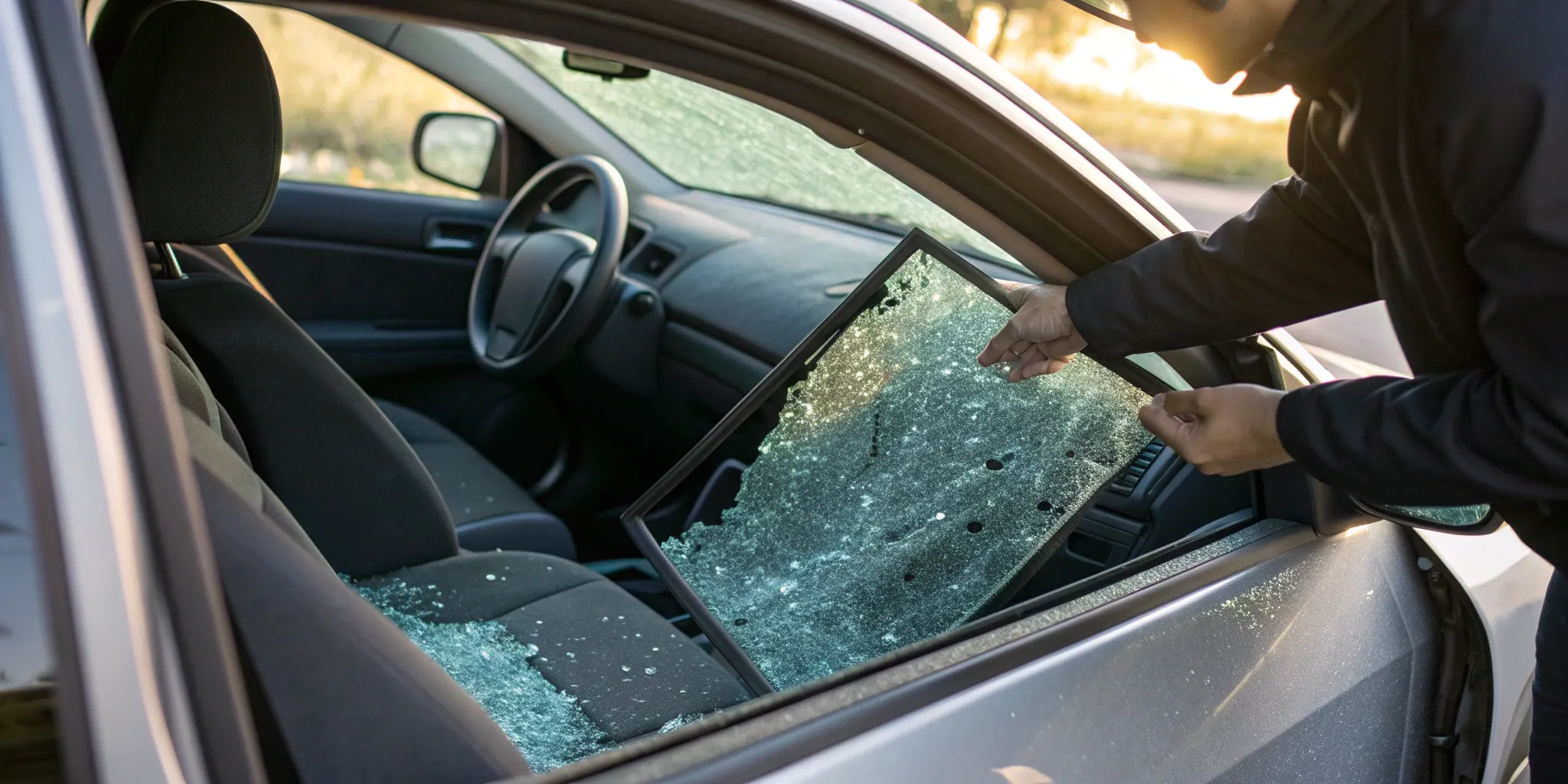
A shattered car window throws a major wrench in your day, leaving your vehicle exposed and insecure. While the end goal is a professional replacement, the steps you take right after discovering the damage are just as important. From documenting the scene for a potential insurance claim to protecting your car’s interior from rain and debris, a methodical approach can save you a lot of headaches later on. We’ve created a straightforward guide to help you manage the entire process with confidence. This isn’t just about the final repair; it’s a complete roadmap for how to fix a shattered car window, starting from the moment you find the damage.
Key Takeaways
- Prioritize Safety and Documentation: Before you do anything else, put on protective gear to safely clean up the glass, take detailed photos of the damage for insurance, and file a police report if necessary.
- A Temporary Fix is Not a Final Solution: While a plastic cover can protect your car’s interior from the elements for a short time, a professional replacement is crucial for restoring your vehicle’s security and safety.
- Choose a Pro and Protect Your Investment: Select a reliable auto glass service for a proper installation, then follow simple aftercare steps and maintenance habits to ensure your new window lasts.
First Steps for a Shattered Car Window
Finding your car window shattered is a jarring experience. Whether it was a stray rock on the highway or an unfortunate break-in, your first thought is probably, “What do I do now?” Before you start thinking about a replacement, there are a few immediate steps you need to take to handle the situation safely and set yourself up for a smooth repair process. Let’s walk through them one by one.
Assess the Damage
Take a deep breath and carefully look at the situation. Is the glass completely gone, or is it just cracked and spiderwebbed? Check the window frame for any dents or warping, as this could affect the replacement. Car windows can shatter for a few reasons, including impact from road debris, a break-in, or even a sudden temperature change causing a stress fracture. Understanding the extent of the damage will help you explain the situation to your insurance agent and our repair technicians. A quick inspection now makes the repair process much smoother later on.
Stay Safe and Protect Others
Your safety is the top priority. Before you touch anything, find a pair of thick gloves—like work or gardening gloves—and put on some safety glasses if you have them. Shattered auto glass is incredibly sharp. Carefully pick up the larger pieces of glass from around and inside your car. For the tiny, stubborn shards sprinkled over your seats and floor mats, a vacuum cleaner or a shop vac is your best friend. This initial cleanup prevents you or your passengers from getting cut and makes the car safe to be in while you arrange for a professional repair.
Document Everything and File a Report
If you suspect the window was broken due to vandalism or theft, your first call should be to the police. Don’t touch or move anything inside the car until they arrive and give you the go-ahead. For any situation, it’s smart to pull out your phone and take plenty of pictures. Capture the broken window from different angles, any damage to the car’s interior or exterior, and the surrounding area. This documentation is crucial if you need to file a police report or an insurance claim. Having a clear record of the incident will save you a lot of headaches down the road.
Contact Your Insurance Company
Once you’ve assessed the damage and filed a police report if needed, it’s time to call your insurance provider. Your comprehensive coverage might pay for the window replacement, but you’ll want to ask about your deductible. Sometimes, the cost of the repair is less than the deductible, so it might make more sense to pay out of pocket. Even if you don’t plan to file a claim, your agent can offer guidance. We can also help you figure out the process; Winaffix has plenty of experience assisting with auto glass claims and can make the paperwork feel less overwhelming.
Making a Temporary Window Cover
Once you’ve cleaned up the glass, your next priority is to cover the open window. A temporary fix is crucial for protecting your car’s interior from rain, dust, and debris while you arrange for a professional replacement. It also acts as a deterrent against theft. While this solution isn’t meant for long-term driving, especially at high speeds, it will keep your car secure and dry for a day or two. Creating a temporary cover is straightforward and only requires a few basic materials you can find at any local hardware store. Let’s walk through how to get your window sealed up safely until you can get it professionally fixed.
Gather Your Supplies
Before you start, you’ll need to grab a few things. The most effective material is a roll of thick, clear plastic sheeting (6 mil or thicker is a good choice). This provides a durable barrier against the elements. Another great option is crash wrap, which is a large, sticky plastic film designed specifically for this purpose. For securing the cover, you’ll want strong tape that won’t damage your car’s paint. Blue painter’s tape is a solid choice, but for a more secure hold, you can use Gorilla Duct tape. In a pinch, even a thick plastic garbage bag can work. Just make sure you have enough material to cover the entire window opening with some overlap.
Install a Temporary Cover
Start by cutting a piece of your plastic sheeting or crash wrap that is larger than the window frame by a few inches on all sides. This overlap is key to creating a good seal. Carefully position the plastic over the opening from the outside of the car, pulling it taut to remove any wrinkles. Begin taping at the top of the window frame, pressing down firmly to secure the plastic. Work your way down the sides and then across the bottom, creating a continuous border of tape. If you’re using painter’s tape, you might want to apply a few layers to ensure it holds, especially if you expect rain.
Protect Your Car from the Elements
The main goal of your temporary cover is to shield your car’s interior. A properly sealed plastic cover will keep rain from soaking your seats and electronics and prevent wind from blowing dust and leaves inside. Double-check your tape seal to make sure there are no gaps where water could seep in. If you had to use a garbage bag, be extra thorough with the taping, as it’s more likely to tear or come loose. This temporary shield is an essential step to prevent further damage to your vehicle while you wait for a permanent auto glass replacement. Remember, this fix is not waterproof indefinitely, so it’s best to schedule a repair as soon as possible.
Know When to Call a Pro
A DIY cover is only a temporary band-aid. It can reduce visibility, create noise while driving, and offers very little security. Side windows are made of tempered glass, which means that once shattered, they cannot be repaired and must be completely replaced. Driving for an extended period with a plastic cover is unsafe and leaves your vehicle vulnerable. A professional installation ensures the new window fits perfectly, operates correctly, and maintains the structural integrity of your vehicle. When you’re ready for a permanent solution, it’s time to contact a professional for a fast and reliable replacement.
How to Safely Clean Up Shattered Glass
Seeing your car interior covered in shattered glass can feel overwhelming, but cleaning it up is a manageable first step toward getting things back to normal. The key is to be methodical and prioritize your safety above all else. Before you can get a professional replacement, you need a clean and safe space. Here’s how you can tackle the cleanup process without putting yourself at risk.
Get the Right Safety Gear
Before you touch a single piece of glass, you need to protect yourself. This isn’t the time for shortcuts. Start by finding a pair of thick, heavy-duty gloves—think leather work gloves or gardening gloves, not thin latex ones. These will protect your hands from sharp edges. Next, put on a pair of safety goggles to shield your eyes from any tiny shards that might fly up during the cleanup. Finally, make sure you’re wearing closed-toe shoes to protect your feet. Taking these simple precautions is the most important step in safely dealing with broken glass and preventing unnecessary cuts or injuries.
Follow the Right Cleanup Process
Once you’re geared up, you can start cleaning. Begin by carefully picking up the largest pieces of glass by hand and setting them aside in a safe spot. After the big pieces are gone, it’s time to tackle the thousands of smaller bits. A small vacuum cleaner with a hose attachment works best for getting into all the nooks and crannies of your car’s interior. If you don’t have a vacuum handy, a stiff brush and dustpan will also do the trick. Take your time and be thorough, vacuuming the seats, floor, and dashboard. A broken window can sometimes damage the lifting mechanism inside the door, so you may also need car window regulator repairs.
Check for Hidden Glass Shards
Modern car windows are made from tempered glass, which is designed to shatter into small, pebble-like pieces to reduce the risk of serious injury. The downside is that these tiny pieces get absolutely everywhere. After you’ve done an initial sweep, you need to go on a hunt for hidden shards. Use a flashlight to help you spot glistening bits of glass that have fallen into crevices, under the seats, or deep into the carpet fibers. Check inside the door panel where the window shattered and in the air vents. A thorough cleaning ensures you won’t find a stray piece of glass with your hand weeks later.
Dispose of the Glass Safely
Now that you’ve collected all the glass, you need to dispose of it properly. Never just toss it into a regular trash bag, as the sharp edges can easily tear through the plastic and injure you or a sanitation worker. Instead, place all the glass shards into a sturdy cardboard box or a thick paper bag. For extra safety, you can line the container with a few layers of newspaper. Seal the box or bag securely with tape and write “BROKEN GLASS” clearly on the outside. Once the cleanup is complete, you’ll be ready to get a quote for a professional replacement.
Your Professional Replacement Options
While a temporary fix can get you by in a pinch, it’s not a long-term solution. A broken window leaves your car vulnerable to theft and weather damage, so getting it professionally replaced is the best way to secure your vehicle and get back on the road safely. When you’re ready to hand it over to an expert, here’s what you need to know.
What Are Your Replacement Options?
When your car window shatters, your best bet is to call a professional auto glass service. A broken window isn’t just an inconvenience; it compromises your car’s security and exposes the interior to rain, wind, and dust. While you might be tempted to live with a temporary cover for a while, a proper replacement is essential for your peace of mind. Professional technicians have the right tools and expertise to install a new window correctly, ensuring a perfect fit and a secure seal. They offer a range of auto glass replacement services to get your car back to its original condition.
What Will a Replacement Cost?
The cost to replace a car window can vary quite a bit, typically ranging from a couple of hundred dollars to over $1,000. The final price depends on your vehicle’s make, model, and year, as well as the type of window that needs replacing. For a standard side window, you can generally expect the cost to be between $100 and $350. Luxury cars or vehicles with special features might be on the higher end of that spectrum. The most accurate way to understand what you’ll need to pay is to get a quote directly from a reputable auto glass shop.
Using Your Insurance Coverage
Before you schedule a replacement, take a moment to review your auto insurance policy. Many comprehensive insurance plans cover window damage, which can significantly reduce your out-of-pocket costs. However, you’ll want to check your deductible. Sometimes, the cost of the repair might be less than your deductible, making it more practical to pay for it yourself. If you decide to file a claim, a good auto glass company can often help you with the paperwork and make the process of handling auto glass claims much smoother.
How to Choose a Reliable Pro
If you’re not comfortable replacing the window yourself, it’s always safer to hire a professional. But how do you find the right one? Start by looking for a company with a solid reputation for quality work and reliable service. Check to see if they offer conveniences like same-day mobile service, which can save you a lot of time and hassle. Reading through recent customer reviews is also a great way to get a feel for their professionalism and the quality of their work. Choosing a trusted expert ensures the job is done right, giving you confidence in your vehicle’s safety and security.
Protecting Your New Window
Okay, so you’ve got a brand-new window, and the last thing you want is to go through this whole process again anytime soon. Taking a few simple steps to protect your new auto glass will not only keep it looking great but also help it last for years. Think of it as a little TLC for your car that pays off big time. Here’s how you can care for your new window and prevent future headaches.
Simple Maintenance Tips
Keeping your new window in top shape is easier than you think. Start with regular cleaning using an ammonia-free glass cleaner and a microfiber cloth to avoid streaks and scratches. While you’re cleaning, take a moment to inspect the seals around the window. A tight, secure seal is crucial for preventing leaks and wind noise. Remember that a professional installation is the foundation of a long-lasting window. Properly installed glass is a key part of your car’s structural integrity, ensuring it can protect you from the elements and in an accident. A solid fix from a trusted pro prevents moisture from getting inside and causing damage.
Prevent Future Window Damage
Life happens, but you can definitely minimize the risk of another shattered window. Common culprits include road debris, extreme temperature swings, and even vandalism. Try to park in a garage or a well-lit, secure area whenever possible. Be mindful of sudden temperature changes—avoid blasting the AC on a scorching day or the heat on a freezing one right at the glass. This can cause thermal stress that leads to cracks. Slamming your car doors can also create pressure that damages the window mechanism and glass over time. A little awareness goes a long way in avoiding another unexpected auto glass replacement.
Spot the Early Warning Signs
Catching small problems early can save you from a major replacement down the road. Pay attention to how your window operates. Do you hear any rattling or grinding noises when you roll it up or down? Does it seem slower than usual or get stuck? These could be signs of a failing window regulator. Also, keep an eye on the seal. If you notice it’s peeling, cracked, or has gaps, that’s a red flag. Poor sealing can create stress points on the glass or let debris get trapped, which can eventually lead to a shatter. If something feels off, it’s always best to look into car window regulator repairs.
Care for Your New Window
Right after your window is replaced, it needs a little time to settle in. The adhesive used to secure the glass needs to cure completely, so it’s best to follow a few simple rules. Avoid high-pressure car washes for at least 24-48 hours. It’s also a good idea to leave the window cracked open just a tiny bit for the first day to help equalize pressure inside and outside the car. And, as tempting as it might be to test it out, try not to roll the new window up and down for the first 24 hours. If you have any questions about aftercare, don’t hesitate to ask your technician.
Related Articles
- Reliable Auto Glass Replacement Tips – Winaffix Glass Auto
- Best Windshield Replacement Services Near You | Winaffix
- Reliable Auto Glass Repair Services | Winaffix Auto Glass
- Auto Glass Replacement: Fast, Reliable Service You Can Trust
- Customer Reviews – Winaffix Auto Glass
Frequently Asked Questions
Can a shattered side window be repaired, or does it have to be replaced? Unlike a windshield, which is made of laminated glass and can often be repaired from a chip or small crack, your side and rear windows are made of tempered glass. This type of glass is designed to shatter into small, pebble-like pieces upon impact for safety. Because it crumbles completely, repair isn’t an option, and the entire window must be replaced.
How long will it take to get my window replaced? The actual replacement process is surprisingly quick. For a professional technician, installing a new side window typically takes about an hour. We know you have a busy schedule, which is why we offer same-day mobile service to get you back on the road safely and with minimal disruption to your day.
Is it safe to drive with a temporary plastic cover on my window? A temporary cover is really just for protecting your car’s interior while it’s parked. It’s not designed for driving, especially at high speeds or in bad weather. The plastic can reduce your visibility, create a lot of noise, and potentially come loose. It’s best to drive directly to our shop or have a mobile technician come to you as soon as possible.
Will my insurance rates go up if I file a claim for a broken window? This is a common concern, but you can relax. A broken window claim usually falls under your comprehensive coverage, which handles damage from things other than a collision, like theft or road debris. These types of claims generally don’t impact your insurance rates, but it’s always a good idea to confirm the specifics of your policy with your insurance agent.
Why did my window shatter without any obvious impact? It can be really confusing when a window breaks for no apparent reason. This is often caused by thermal stress, which happens when there’s a drastic temperature difference between the inside and outside of your car. It can also be due to a tiny, unseen chip or flaw in the glass that finally gives way under pressure. It’s not common, but it does happen.