

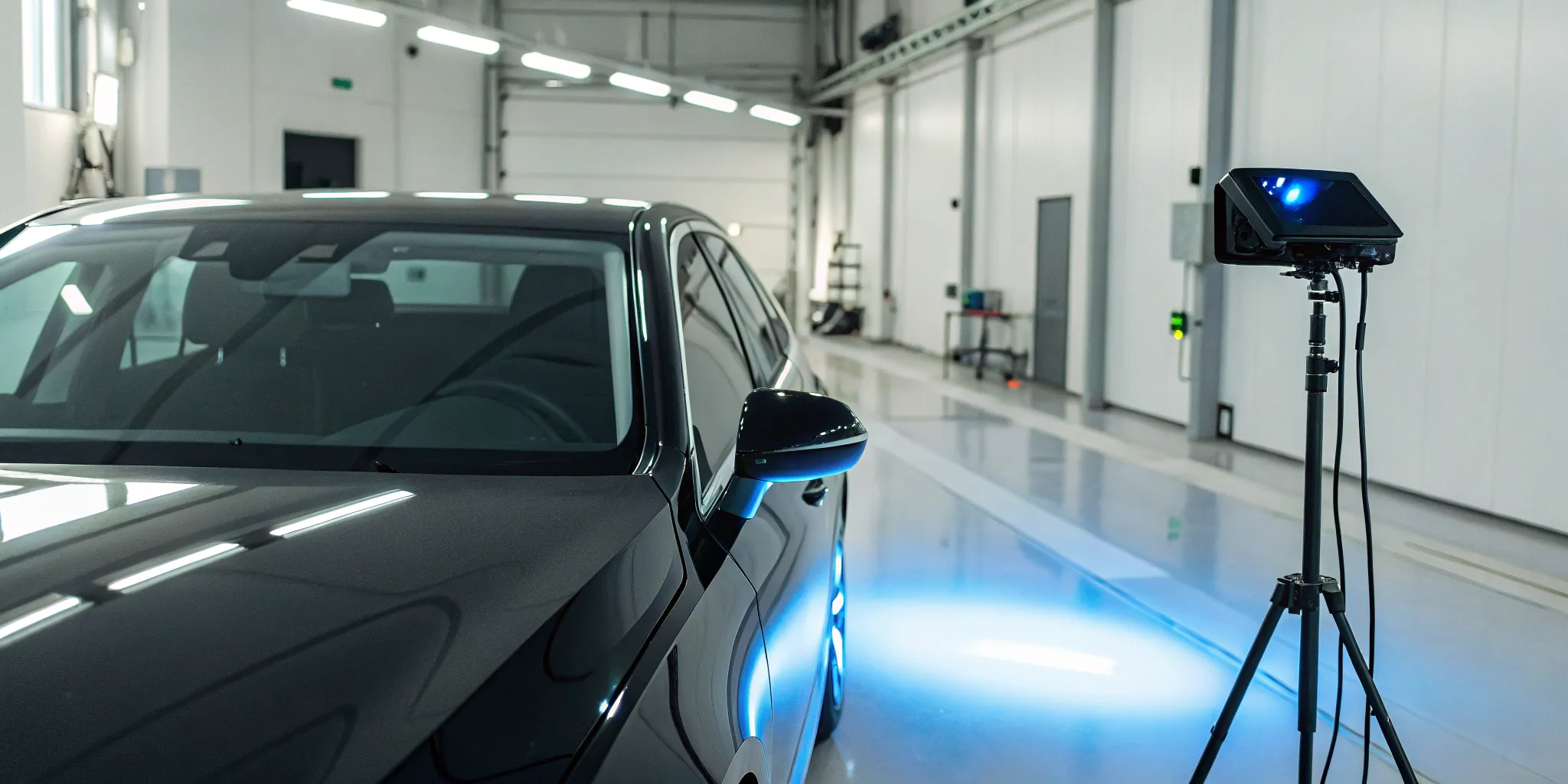
Life is busy enough without adding a trip to the auto shop to your to-do list. In the past, a necessary service like recalibrating your car’s safety systems after a windshield replacement meant losing hours of your day in a waiting room. But technology has changed the game. Now, the solution comes directly to you. Mobile ADAS calibration brings the specialized equipment and expert technicians to your home or office, fitting this critical safety procedure seamlessly into your schedule. It’s the modern, convenient way to ensure your vehicle’s advanced driver-assistance systems are working perfectly, without putting your life on hold.
Key Takeaways
- Recalibration is non-negotiable for safety: After a windshield replacement, your car’s advanced safety features are offline until the system’s cameras are precisely realigned, making calibration an essential final step.
- Don’t wait for a warning light to appear: Key events like getting a new windshield, a minor collision, or even a wheel alignment are clear signals that your vehicle needs an ADAS calibration to keep its safety systems working correctly.
- Always vet your technician’s qualifications: This is a specialized job, so ask about their certifications, the specific equipment they use for your vehicle, and their insurance coverage to ensure the work is done right.
What Is Mobile ADAS Calibration?
Mobile ADAS calibration is the process of precisely tuning your vehicle’s Advanced Driver Assistance Systems (ADAS) at a location that’s convenient for you, like your home or office. Instead of you having to take your car to a shop, a technician comes to you. These systems are the brains behind your car’s modern safety features, and they rely on perfectly aligned cameras and sensors to function correctly. When your windshield is replaced, these sensors are disturbed. Calibration is the essential final step that ensures everything is realigned to factory standards, so your safety features can continue to protect you on the road. It’s a highly technical service that combines convenience with critical safety procedures.
What Are ADAS Systems?
If your car has features like adaptive cruise control, lane departure warnings, or automatic emergency braking, you have Advanced Driver Assistance Systems (ADAS). These smart features use a network of sensors and cameras—many of which are mounted on or near your windshield—to monitor your surroundings and help prevent accidents. They act as a second set of eyes, making your drive safer and less stressful. Because these components are so integral to your vehicle’s safety, a proper windshield recalibration is non-negotiable after any service that might affect their alignment, especially a windshield replacement.
Why Calibration Is So Important
Think of ADAS calibration as tuning an instrument. If it’s even slightly off, it won’t work as intended. Proper calibration ensures your car’s safety systems can accurately read the road and react to potential dangers. An uncalibrated system might not detect a vehicle in your blind spot or could misjudge the distance to the car ahead, creating a serious safety risk. Making sure these systems are perfectly aligned is crucial for your safety and for the overall performance of your vehicle. It’s a small step that makes a huge difference in keeping you and your passengers protected.
Mobile vs. In-Shop Calibration
While mobile calibration offers incredible convenience, it’s not always the right fit for every vehicle or situation. Simple calibrations can often be done at your location, provided the environment is right—we need level ground and consistent lighting. However, some vehicles have highly complex systems that require the controlled environment of a dedicated service center for a successful calibration. After a full windshield replacement, many manufacturers require an in-shop visit to guarantee precision. We’ll always assess your specific needs and recommend the safest, most effective option for your car.
When Does Your Car Need ADAS Calibration?
Knowing when your car needs an ADAS calibration can feel like a guessing game, but it’s actually quite straightforward. Your vehicle’s Advanced Driver-Assistance Systems (ADAS) rely on a network of cameras and sensors to function correctly. When these components are even slightly misaligned, it can compromise your safety features, like automatic emergency braking and lane-keeping assist. Think of it like a camera lens—if it’s out of focus, the picture won’t be clear. Similarly, if your ADAS sensors aren’t perfectly aimed, they can’t accurately “see” the road.
Most vehicle manufacturers have specific guidelines for when a windshield recalibration is necessary. It’s not just an optional tune-up; it’s a critical maintenance step that ensures your car’s safety technology works as intended. Certain events are clear triggers that should immediately put calibration on your to-do list. From getting a new windshield to minor fender benders, understanding these key moments will help you stay on top of your vehicle’s needs and keep you safe on the road. Below are the most common situations that call for a professional ADAS calibration.
After a Windshield Replacement
If you’re getting a new windshield, plan on getting an ADAS calibration. This is the most common reason for the service. Many of your car’s forward-facing cameras and sensors are mounted directly onto the windshield. When a technician performs a windshield replacement, those components are disconnected and then reattached to the new glass.
Even the slightest change in angle or position—we’re talking millimeters—can throw off the entire system. A proper calibration ensures every sensor is perfectly aligned according to manufacturer specifications. Skipping this step means your lane departure warnings or collision avoidance systems might not work when you need them most. It’s an essential final touch to ensure your safety systems are back online and fully functional.
After a Collision
Even a minor accident can be enough to knock your ADAS sensors out of alignment. Car manufacturers recommend calibration after any collision, including small fender benders or bumping into a curb. While you might only see a small dent or scratch on the outside, the impact can easily shift sensors located in your bumper, grille, or side mirrors.
These sensors are precisely positioned to monitor your surroundings, and any jarring force can disrupt their accuracy. Getting a calibration after an accident is a proactive way to confirm your safety features are still reliable. It’s better to be certain than to discover a problem when a system fails to respond correctly in a critical moment.
During System Updates or Repairs
ADAS calibration isn’t just for auto glass work or collisions. Several other common vehicle repairs can affect the system’s alignment and require a recalibration. For example, if you get a wheel alignment, change your tires, or have suspension work done, it can alter your car’s ride height and orientation, which in turn affects the sensors’ view of the road.
Any repair that involves removing or moving a sensor or camera also calls for a recalibration. Technicians should always assume a calibration is needed to ensure the system is returned to its original, precise settings. This step guarantees that all your interconnected safety features continue to work together seamlessly after any significant maintenance.
When You See Warning Lights on Your Dash
A warning light on your dashboard is your car’s way of telling you something is wrong. If you see an alert related to your ADAS features, it’s a clear signal to get your vehicle checked by a professional immediately. This light could indicate that a sensor is blocked, malfunctioning, or out of alignment. Don’t ignore it, as it means one or more of your key safety systems may be disabled.
However, it’s important to know that your ADAS system can be misaligned without triggering a warning light. The system may not be off by enough to generate an error code, but it could still be inaccurate enough to fail in an emergency. That’s why it’s crucial to get a quote for a calibration after events like a windshield replacement, rather than waiting for a light to appear.
How Mobile Calibration Works
So, what actually happens when a technician arrives to perform a mobile ADAS calibration? It’s more than just plugging in a computer. The process is a meticulous, step-by-step procedure designed to ensure your car’s advanced safety systems are functioning exactly as the manufacturer intended. Think of it as fine-tuning your car’s digital eyes and ears so they can properly see the world around them.
From the initial system scan to the final test drive, every step is crucial for your safety. After a windshield replacement, the camera mounted on your windshield has been moved, and even a millimeter of difference can cause it to misinterpret road lines, other vehicles, or pedestrians. Our goal is to make this technical process feel simple and seamless for you. We handle the complexities so you can drive away with confidence, knowing your safety features are back online and working perfectly.
The Pre-Calibration Check
Before any adjustments are made, the first step is always a thorough pre-calibration check. Our technician connects a diagnostic tool to your vehicle’s computer to scan for any error codes, which are known as Diagnostic Trouble Codes (DTCs). This gives us a complete picture of the ADAS system’s health. It’s important to know that your car might need a windshield recalibration even if there are no warning lights on your dashboard. Many system misalignments don’t trigger an immediate alert, but they can still prevent your safety features from working correctly when you need them most.
Static vs. Dynamic Calibration Explained
There are two main types of calibration, and the one your vehicle needs depends on its manufacturer’s specifications.
- Static Calibration: This process is done while your car is stationary. We place a specific, patterned target in front of your vehicle at a precise distance and height. The system’s cameras and sensors are then aimed at this target, allowing us to adjust them to exact factory standards. It’s a highly controlled procedure that requires specialized equipment.
- Dynamic Calibration: This type involves driving the vehicle on well-marked roads at a set speed. During the drive, the ADAS system calibrates itself by recognizing road markings and other real-world elements.
Some vehicles require one or the other, while many newer models need both to be completed in a specific sequence.
The Right Environment for a Perfect Calibration
For a calibration to be successful, the environment has to be just right. Factors like lighting and having the vehicle on a perfectly level surface are critical for accuracy. This is why some complex calibrations must be done in a dedicated shop. However, our mobile technicians are experts at creating a suitable environment on-site. We come equipped to manage these variables, ensuring we can perform a precise and reliable calibration at your home or workplace. We’ll find the right spot and use the right tools to get the job done correctly, without compromising on quality.
How We Guarantee Quality
Our commitment to your safety doesn’t end when the tools are packed away. After every calibration, we perform a post-scan to confirm there are no error codes and conduct a test drive to verify that all ADAS features are functioning as they should. This final check is our way of ensuring everything is perfect. We stand by the quality of our work, and our process is designed to give you complete peace of mind. The positive feedback from our clients shows our dedication to getting it right every time, which you can see in our customer reviews.
The Pros and Cons of Mobile Service
Mobile ADAS calibration sounds like a dream, right? Having a technician come to your home or office to handle everything is incredibly appealing. And for many vehicles, it’s the perfect solution. But it’s smart to look at the full picture. Like any service, mobile calibration has its strengths and a few limitations you should know about. Understanding these helps you know what to expect and ensures you get the best and safest calibration for your car. Let’s walk through the key pros and cons so you can feel confident in your choice.
Pro: Unbeatable Convenience
The biggest win for mobile calibration is convenience, hands down. Instead of rearranging your day to drive to a shop and wait, the service comes directly to you. Whether you’re at home or in the middle of a workday, our technicians can perform the windshield recalibration on-site. This means no more asking for rides or losing hours of your time in a waiting room. We handle the work wherever your car is parked, making the entire process fit seamlessly into your schedule. It’s about getting a critical safety feature restored with minimal disruption to your life.
Pro: Save Time and Money
That convenience translates directly into saving you time and money. Think about it: no time spent in traffic driving to and from a repair shop, and no need to take a half-day off work. You also save on fuel costs or the price of a rideshare. Because our technicians come prepared with everything they need, the job is done efficiently. Our goal is to get you back on the road safely and quickly. This efficient, direct-to-you model is designed to be as respectful of your time and budget as possible.
Con: Weather and Space Can Be a Factor
While mobile service is flexible, it does have a few practical requirements. A successful calibration depends on a controlled environment, which can be tricky to find outdoors. Heavy rain, intense sunlight, or even strong winds can interfere with the sensitive equipment we use. We also need a flat, level surface to ensure the cameras and sensors are aligned perfectly with your vehicle’s position. A professional technician will always assess the location first to make sure the conditions are right for a precise and safe calibration.
Con: Some Vehicles Require an In-Shop Visit
It’s also important to know that some vehicles simply need to be calibrated in a dedicated shop. Certain luxury or exotic vehicles, for example, have highly complex ADAS systems that require specific lighting and specialized, stationary equipment that can’t be brought on the road. While many calibrations can be done remotely, the most intricate ones demand the controlled environment of a shop to guarantee accuracy. We’ll always let you know upfront if your car requires an in-shop visit to ensure the job is done right.
How to Choose a Qualified Technician
Your car’s safety systems are only as good as their last calibration. Entrusting this precise task to the right person is essential for your peace of mind on the road. Since mobile ADAS calibration is a specialized field, not every auto glass technician has the necessary training or tools to do it correctly. A faulty calibration can be more dangerous than no calibration at all, as it can cause safety features to fail or react incorrectly when you need them most.
To make sure you’re working with a true professional, you need to know what questions to ask. Vetting a technician beforehand ensures your vehicle’s advanced safety features are restored to factory standards, keeping you and your passengers safe. Here are four key areas to focus on when making your choice.
Look for Proper Certifications
Certifications are more than just pieces of paper; they’re proof that a technician has met industry-recognized standards for skill and knowledge. When it comes to ADAS, technicians should have training from reputable organizations like I-CAR or be certified to follow Original Equipment Manufacturer (OEM) procedures. These guidelines are set by the carmakers themselves to ensure every calibration is done exactly right. Don’t hesitate to ask a company if their technicians are certified. A professional service will be proud to confirm their qualifications and explain what it takes to perform a proper ADAS recalibration. This is your best guarantee that your car’s safety systems will function as designed.
Ask About Their Equipment
Performing a mobile ADAS calibration correctly requires highly specialized and up-to-date equipment. This isn’t a job that can be done with a basic toolset. The technician should be using state-of-the-art tools, including specific targets, laser measurement systems, and advanced diagnostic software that communicates directly with your vehicle’s computer. Ask the company what kind of equipment they use for their specialized services. A qualified provider will be able to tell you about their technology and why it’s right for your specific make and model. If they can’t provide clear answers, it might be a sign that they aren’t equipped for the job.
Verify Their Training and Experience
Because ADAS technology is constantly evolving, ongoing training and hands-on experience are critical. A technician should not only be certified but also have a solid track record of performing calibrations on a wide variety of vehicles, including yours. Ask how long they’ve been performing mobile calibrations and if they have experience with your car’s specific brand. An experienced technician will understand the unique requirements and potential challenges associated with different models. When you work with a company that invests in continuous education for our team, you can feel confident that they are up to speed on the latest industry standards and techniques.
Confirm They Are Insured
Any reputable auto service provider must carry comprehensive liability insurance, and mobile calibration specialists are no exception. This insurance protects you and your vehicle in the unlikely event that something goes wrong during the service. A lack of insurance is a major red flag. Legally, the shop performing the work is responsible for ensuring the calibration is done correctly. By choosing an insured provider, you’re partnering with a professional business that stands behind its work and prioritizes customer protection. If you have any doubts, a trustworthy company will be happy to provide proof of insurance before you get a quote.
What to Expect for Costs and Coverage
Understanding the costs associated with ADAS calibration is a key part of the process. While it’s an essential service for your safety, you probably have questions about the price and whether your insurance will help cover it. The good news is that professional calibration is often more affordable than people think, and it’s a critical investment in your vehicle’s performance and your peace of mind. Let’s walk through what you can expect when it comes to pricing, insurance coverage, and why this service is worth every penny.
What Factors Into the Price?
The cost of ADAS calibration can vary, typically ranging from $150 to $500. Several factors influence the final price, starting with your vehicle’s make and model. Luxury cars or vehicles with more complex, integrated safety systems often require more intricate procedures, which can place the cost closer to the higher end of that range. The type of calibration needed—static, dynamic, or a combination of both—also plays a role. A static calibration is done in a controlled shop environment, while a dynamic one requires a road test. To get a clear and accurate price for your specific vehicle, it’s always best to get a quote from a certified technician who can assess your car’s unique needs.
Will Your Insurance Cover It?
Many drivers are pleasantly surprised to learn that their auto insurance policy may cover the cost of ADAS calibration. If you have comprehensive coverage, calibration is often included as a necessary step following a covered windshield replacement. Since the ADAS sensors are frequently mounted on the windshield, replacing the glass makes recalibration mandatory to ensure they function correctly. We recommend checking the details of your policy or speaking directly with your insurance agent to confirm your coverage. Our team is also experienced in this area and can help you understand the auto glass claims process to make it as smooth as possible.
How to Save on Calibration
While you should never cut corners on safety, there are ways to manage the cost of ADAS calibration. One of the best approaches is to bundle services. If you’re already getting a windshield replacement, choosing a provider who can perform the calibration at the same time is often more cost-effective than scheduling the services separately. It’s also a good idea to ask about any available promotions or package deals. At Winaffix, we believe in transparent pricing and are always happy to discuss the most affordable options for your vehicle. We’re committed to providing top-tier service that fits your budget without compromising on quality or safety.
Why It’s a Worthwhile Investment
Think of ADAS calibration not as a cost, but as an investment in your safety. These advanced systems are designed to protect you, your passengers, and others on the road by preventing accidents. When they aren’t properly calibrated, they can’t do their job. An uncalibrated camera might not detect lane markings correctly, or a sensor could fail to trigger the automatic emergency braking system in a critical moment. Professional windshield recalibration ensures that every component of your safety system is working exactly as the manufacturer intended. This precision gives you confidence behind the wheel and keeps your vehicle’s most important safety features reliable.
Common Myths About ADAS Calibration
When it comes to Advanced Driver-Assistance Systems (ADAS), there’s a lot of confusing information out there. These safety features are complex, and it’s easy for myths to spread. Let’s clear the air and tackle some of the most common misconceptions about ADAS calibration so you can make informed decisions about your vehicle’s safety.
“You don’t always need it.”
This is one of the most dangerous myths. Many drivers assume that if there isn’t a warning light on the dashboard, everything must be fine. However, your vehicle’s ADAS cameras and sensors need to be recalibrated after many common procedures, especially a windshield replacement. Even a slight change in the camera’s position can affect its accuracy. Waiting for a warning light is reactive; proper calibration is a proactive step to ensure your safety systems are always ready to protect you.
“Any mechanic can do it.”
While many mechanics are skilled at what they do, ADAS calibration is a specialized task that requires specific training and equipment. Think of it like seeing a specialist for a specific health issue—you want an expert. Technicians must follow precise, manufacturer-recommended procedures to ensure the system is calibrated correctly. A general repair shop may not have the updated tools or expertise for your specific vehicle. That’s why it’s crucial to use a service that specializes in windshield recalibration and understands the technology inside and out.
“It’s just a quick scan.”
Some people believe calibration is as simple as plugging in a computer and running a quick scan. In reality, a “calibration complete” message on a scan tool only confirms that the camera has detected the target. It doesn’t guarantee the calibration is accurate. A thorough process often involves a dynamic test drive to confirm the systems are functioning correctly in real-world conditions. A qualified technician will always verify their work to ensure your vehicle’s safety features are performing exactly as they should be.
“An uncalibrated system isn’t a big deal.”
Ignoring ADAS calibration is a significant safety risk. These systems control critical functions like automatic emergency braking, lane-keeping assist, and adaptive cruise control. If they aren’t calibrated correctly, they can misinterpret the road, fail to detect obstacles, or react at the wrong time. This not only compromises your safety but also endangers your passengers and other drivers. Proper calibration is a small investment that ensures your car’s most important safety features are reliable when you need them most.
The Technology Behind a Perfect Calibration
Getting your car’s safety systems back in perfect sync isn’t a simple plug-and-play process. A successful windshield recalibration relies on a combination of specialized physical tools, sophisticated software, and a technician who knows how to use them. This technology is what allows us to perform precise, manufacturer-level calibrations right in your driveway, ensuring your ADAS features work exactly as they were designed to. It’s a meticulous process where accuracy is everything, and having the right equipment is non-negotiable for your safety.
The Essential Tools for the Job
Before a computer even gets involved, a technician needs the right physical tools. Think of it as setting the stage for the digital work. This includes specialty equipment like torque wrenches to tighten bolts to exact specifications, trim removal tools to safely access sensors without damaging your car’s interior, and specific socket sets for different vehicle models. These tools ensure that every camera and sensor is mounted perfectly. Without this precise physical alignment, the digital calibration that follows simply won’t be accurate, no matter how advanced the software is.
The Role of Diagnostic Software
Once everything is physically in place, we connect to your vehicle’s brain. This requires advanced diagnostic software that can communicate directly with your car’s ADAS module. Paired with laser measurement systems and precise alignment targets placed in front of the vehicle, this software guides the calibration process. It tells the car’s cameras and sensors exactly where to look so they have a clear, accurate view of the road. This digital precision is what ensures your lane-keeping assist stays in the lines and your automatic emergency braking responds correctly.
What’s New in Calibration Technology
The technology behind ADAS is always evolving, and so is the equipment used to service it. Modern calibration systems are becoming more powerful and portable, allowing technicians to handle a huge range of vehicles, from family sedans to RVs and trucks. As new car models are released with even more advanced features, our calibration equipment is updated to match. This commitment to using the latest tech means we can provide the specific diagnostic and calibration services your vehicle needs to meet manufacturer standards, ensuring every feature works flawlessly.
Meeting Strict Quality Standards
Ultimately, all this technology serves one purpose: to perform a safe and reliable calibration that meets the vehicle manufacturer’s strict standards. Using the right tools and software isn’t just about doing the job—it’s about doing the job right. This dedication to quality is the reason your safety systems will protect you when you need them most. It’s also what earns trust and positive feedback from drivers like you. When you see great customer reviews, it’s often a direct reflection of a company’s commitment to investing in the best technology and training.
How Calibration Impacts Your Safety and Performance
Think of your car’s Advanced Driver-Assistance Systems (ADAS) as a second set of eyes on the road. These features, from lane-keeping assist to automatic emergency braking, rely on a network of cameras and sensors to function correctly. But they are only as good as their alignment. After a service like a windshield replacement, these sensors need to be precisely recalibrated to the manufacturer’s specifications. This isn’t just a technical tune-up; it’s a critical step that directly affects your vehicle’s safety features and overall performance.
When your ADAS is perfectly calibrated, you can drive with confidence, knowing your car’s safety net is working exactly as it should. An improper calibration, however, can turn these helpful features into a liability. It’s a small detail that makes a world of difference in how your car protects you and your passengers on the road. Getting it right ensures your car’s advanced technology works for you, not against you, maintaining the seamless driving experience you expect. It’s the difference between a car that actively prevents accidents and one that might inadvertently cause them due to faulty data. That’s why understanding the impact of calibration is so important for any modern vehicle owner.
The Dangers of an Improper Calibration
Let’s be direct: an improper ADAS calibration is a serious safety risk. When the cameras and sensors that your car relies on are even slightly misaligned, the entire system can fail. This means your lane departure warning might give false alerts or, worse, fail to alert you when you’re actually drifting. Your adaptive cruise control could misjudge the distance to the car ahead, braking too late or too suddenly. These aren’t just minor glitches; they are malfunctions in the very systems designed to prevent accidents. A precise windshield recalibration ensures these features work as your co-pilot, not against you.
Keeping Your Safety Systems Reliable
Proper calibration is all about reliability. You need to trust that your car will react correctly when it matters most. When your ADAS is accurately calibrated, it can properly detect and respond to dangers on the road, from other vehicles in your blind spot to pedestrians crossing the street. This process ensures that every safety feature performs consistently and effectively, just as the manufacturer intended. It’s the key to making your driving experience not only safer but also smoother and more efficient. By investing in professional calibration, you’re maintaining the integrity of your car’s most important safety services.
Protecting Your Car’s Long-Term Performance
Think of calibration as essential maintenance for your car’s brain. Automakers recommend recalibration anytime a sensor’s position might have changed. This is a standard part of any windshield replacement, but it’s also necessary after minor collisions or even wheel alignment changes. What’s tricky is that your car might not show a warning light on the dash if the calibration is off. Ignoring this step can lead to ongoing performance issues and potential system errors down the line. Staying on top of calibration protects your investment and ensures your vehicle’s advanced technology continues to perform flawlessly for years to come.
Related Articles
- Honda ADAS Calibration Cost: What You’ll Really Pay
- Best #1 Windshield Recalibration | Winaffix Auto Glass
Frequently Asked Questions
How do I know if my car has ADAS features that need calibration? The easiest way to tell is by looking at the features your car has. If it includes things like adaptive cruise control, lane-keeping assist, or automatic emergency braking, then it has an ADAS that relies on precise calibration. You can also check your owner’s manual, which will detail all of your vehicle’s safety systems. If you’re still unsure, a qualified technician can confirm it for you based on your car’s make and model.
Is a mobile calibration really as effective as one done in a shop? For the majority of vehicles, a mobile calibration is just as precise and effective as an in-shop service. Our technicians use the same manufacturer-approved equipment and follow the same strict procedures. The main requirement is a suitable environment, like level ground and consistent lighting. If your vehicle has a particularly complex system that demands a more controlled setting, we will always recommend an in-shop visit to ensure the job is done perfectly.
What actually happens if I decide to skip calibration after a windshield replacement? Skipping this step means your car’s safety systems will likely not function correctly. Your lane departure warning could fail, or your automatic braking might not engage when you need it most. Even though you may not see a warning light on your dashboard, the system’s accuracy is compromised. This creates a significant safety risk, as the very features designed to protect you become unreliable.
How long will I be without my car during a mobile calibration? The process is quite efficient. While the exact time depends on your vehicle and the specific type of calibration required, most mobile services are completed in about one to two hours. Because we come directly to your location, you avoid the extra time spent driving to a shop and waiting, allowing you to get back on the road safely with minimal disruption to your day.
Will my insurance company automatically cover the cost? It’s very common for comprehensive insurance policies to cover the cost of calibration, as it’s considered a necessary part of a windshield replacement. However, every policy is different, so it’s always a good idea to confirm the details with your insurance agent. We have extensive experience with the claims process and are happy to help you understand your coverage and file the necessary paperwork.
