

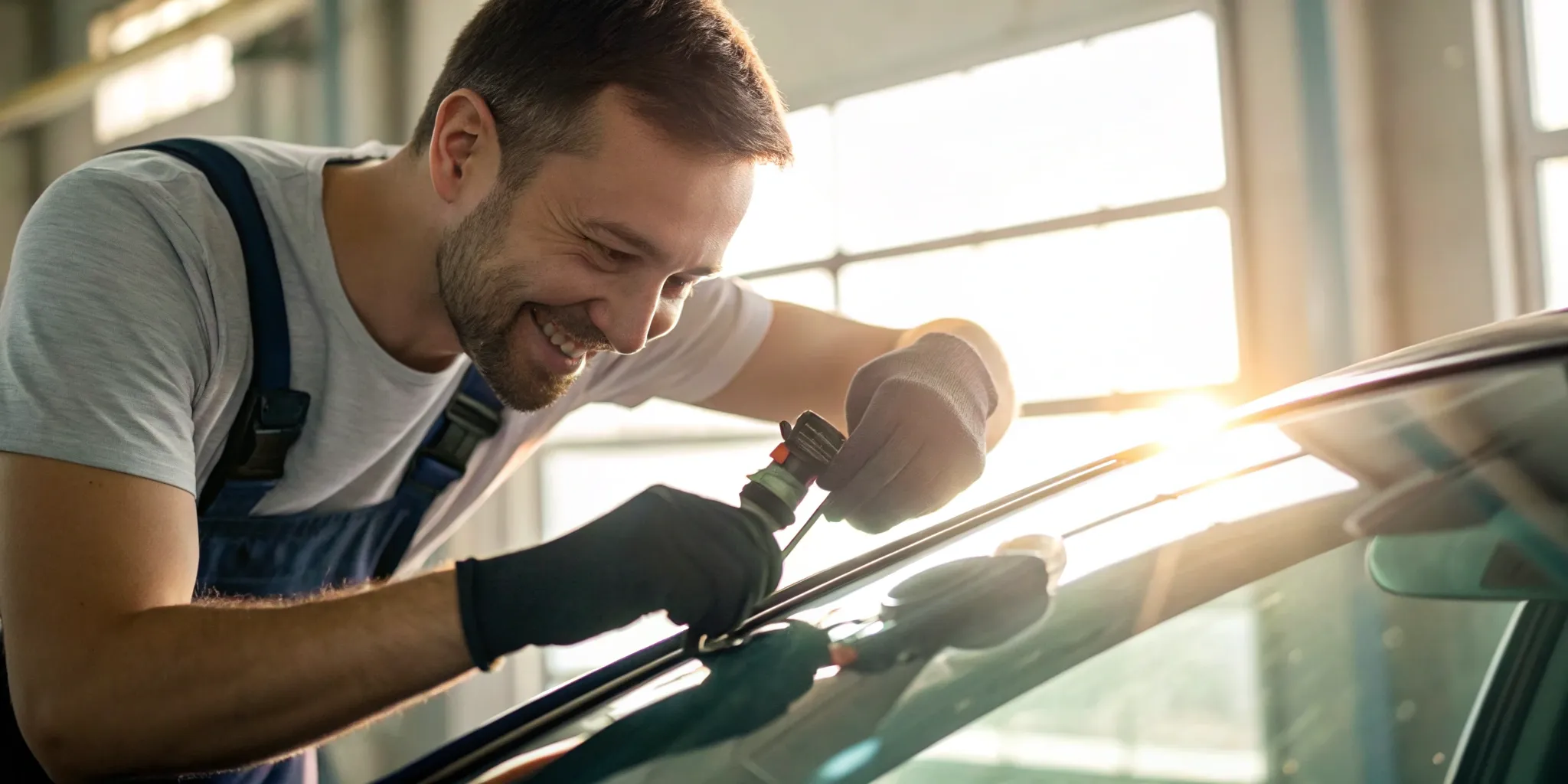
Cars today are more technologically advanced than ever, and windshields are no exception. What used to be a simple pane of glass is now often a hub for cameras and sensors that control your car’s advanced safety features. This complexity has a direct impact on the repair bill. If you drive a modern vehicle, the windshield repair cost without insurance involves more than just the glass itself; it also includes the highly technical process of recalibrating these systems. Understanding these necessary extras is key to avoiding surprises on your final invoice. Let’s explore how this technology affects the price and what you need to know before scheduling your service.
Key Takeaways
- Act on Small Chips Immediately: A quick repair for minor damage is far more affordable than a full replacement. Fixing a small chip or crack right away prevents it from spreading and saves you from a much bigger bill later on.
- Know What Influences the Final Price: The quote for a windshield replacement is more than just the glass. The cost is also shaped by your car’s specific model and any advanced safety systems, which require a crucial recalibration service after installation.
- Choose Your Technician Wisely: The cheapest quote isn’t always the best deal for your safety. Prioritize a professional who offers a lifetime warranty, has excellent customer reviews, and follows strict safety standards for installation and recalibration.
Windshield Repair vs. Replacement: What’s the Difference?
That sinking feeling you get when a rock flies up and chips your windshield is universal. Your first thought is probably about the cost and hassle, but the most important question is whether you need a simple repair or a full replacement. The answer depends on the type, size, and location of the damage. Making the right choice isn’t just about saving money—it’s about keeping you safe on the road. A small chip can quickly spread into a large crack, compromising your car’s structural integrity. Understanding the key differences between a repair and a replacement will help you know exactly what to do next and why it matters.
When Can You Repair a Windshield?
The good news is that not every chip or crack means you need a whole new windshield. A repair is often possible if the damage is minor. Think of the “dollar bill rule”: if a crack is shorter than a dollar bill (about six inches) or a chip is smaller than a quarter, it’s likely a good candidate for a windshield chip repair. The location matters, too. Damage that isn’t directly in the driver’s line of sight is easier to fix without leaving any distracting marks. A repair is a great option because it’s fast, affordable, and restores the strength of your windshield, preventing the crack from spreading.
When Is a Replacement Necessary?
Sometimes, the damage is just too significant for a simple fix. A full windshield replacement becomes the only safe option when a crack is long and sprawling—well beyond the length of a dollar bill. If the damage goes deep, penetrating more than the outer layer of glass, a replacement is also required. The same goes for damage right on the edge of the windshield, as this can weaken the entire structure. While it’s a more involved process, replacing a severely damaged windshield is essential for restoring your car’s safety and your visibility.
Signs You Need a Replacement ASAP
Don’t put off dealing with a damaged windshield, especially if you notice any of these red flags. It’s time to schedule a replacement immediately if the crack:
- Is longer than six inches.
- Directly blocks your view while driving.
- Is actively getting bigger.
- Goes more than halfway through the glass.
- Reaches the outer edge of the windshield.
Ignoring these signs is a serious gamble. A compromised windshield can fail unexpectedly, and a small issue can quickly become a major safety hazard. Acting fast ensures you and your passengers stay protected.
Comparing the Costs: Repair vs. Replacement
It’s no surprise that repairing a small chip is much easier on your wallet than replacing the entire windshield. A full replacement can cost anywhere from $350 to $550 on average, and that price can climb much higher for luxury vehicles or cars with special sensors. In contrast, a repair is a fraction of that cost. It’s also worth checking with your insurance provider. Many companies will waive the deductible and cover the full cost of a repair to prevent a more expensive replacement claim later. We can even help you handle your auto glass claims to make the process smoother.
How Each Option Affects Your Safety
Your windshield does a lot more than just block wind and rain—it’s a critical safety feature. It provides a significant amount of your vehicle’s cabin strength in a rollover accident and is essential for proper airbag deployment. When you get a chip repaired, a special resin is injected to restore that structural integrity. However, driving with a crack that requires a replacement is a major risk because it weakens the entire frame of your car. A professional replacement ensures your new windshield is installed correctly, so it can do its job of protecting you in a collision.
What Really Determines Your Auto Glass Cost?
Figuring out the cost of auto glass service can feel a bit like a guessing game. You might see a low price advertised somewhere, only to get a final bill that’s much higher. The truth is, several key factors influence the price, and understanding them will help you know what to expect. From the type of car you drive to the technology embedded in your windshield, each detail plays a role in the final quote. Let’s break down exactly what goes into the cost so you can feel confident about your repair.
A Look at Average Repair Costs
If you’ve just got a small chip or a crack that’s shorter than a dollar bill, you’re likely in luck. A windshield chip repair is almost always the more affordable option. These repairs typically involve injecting a special resin into the damaged area to restore its strength and clarity. Not only is this process faster than a full replacement, but it’s also significantly lighter on your wallet. Acting quickly to fix a small chip can prevent it from spreading and turning into a much bigger, more expensive problem down the road.
How Much Is a Replacement Out-of-Pocket?
When the damage is too severe for a simple fix, a full windshield replacement is necessary. Out-of-pocket costs for a standard vehicle often fall between $350 and $550. However, this is just a baseline. If your car is a luxury model or has special features, the price can climb quickly. For vehicles equipped with advanced safety systems, the cost can even exceed $1,500. This wide range is why a one-size-fits-all price doesn’t exist. The final cost depends entirely on your specific vehicle and its features.
Why Your Car’s Make and Model Matter
The type of vehicle you drive is one of the biggest factors in determining your auto glass cost. A windshield for a common sedan is produced in large quantities, making it relatively inexpensive. On the other hand, the glass for exotic vehicles or large RVs is more specialized and costly to manufacture. Luxury brands often use unique glass with specific tints, acoustic layers for sound dampening, or heating elements. These features add to the complexity and price of the replacement part, which is why a Porsche windshield will always cost more than one for a Toyota.
The Role of Location and Labor Rates
Just like with any professional service, where you live matters. Labor rates can vary significantly from one city to another based on the local cost of living and market demand. A technician in a major metropolitan area may have higher overhead costs, which can be reflected in their pricing. While you might be tempted to shop around for the lowest labor rate, remember that quality and experience are crucial. A proper installation is key to your safety, so it’s worth paying for a trusted professional from a company like Winaffix that can provide convenient service wherever you are.
How Advanced Safety Features Affect the Price
Many modern cars come with Advanced Driver-Assistance Systems (ADAS), which include features like lane-keeping assist, adaptive cruise control, and automatic emergency braking. The cameras and sensors for these systems are often mounted directly onto the windshield. When you get a new windshield, these systems must be precisely recalibrated to ensure they function correctly. This windshield recalibration is a highly technical process that requires special equipment and adds a significant cost to the replacement. Skipping this step is not an option, as it could compromise your vehicle’s safety features.
Glass Quality: OEM vs. Aftermarket
When you get a replacement, you’ll typically have a choice between two types of glass: OEM and aftermarket. OEM (Original Equipment Manufacturer) glass is made by the same company that produced the original glass for your car. It’s essentially an identical replacement. Aftermarket glass is made by a different company but is designed to fit and function just like the original. While aftermarket glass is often more affordable, it must still meet strict federal safety standards. A reputable technician can walk you through the pros and cons of each option to help you make the best choice for your car and budget.
Beyond the Quote: Potential Extra Costs
Getting a quote for a windshield repair is your first step, but it’s smart to know what other factors might influence the final price. The initial estimate usually covers the basics—glass and labor—but modern vehicles often have extra needs that can add to the bill. It’s easy to focus only on the big ticket item, the glass itself, but several other elements can shift the total cost. For example, does your car help you stay in your lane or brake automatically? Those safety features are tied directly to your windshield, and they require special attention after a replacement, which isn’t always included in a base quote. The type of glass you choose—whether it’s from the original manufacturer or a high-quality alternative—also plays a significant role in the final price, with each having its own pros and cons. Even the convenience of a mobile repair service can be a question mark for some, who might worry about hidden fees for at-home service. We believe in transparency, so we want to walk you through everything that goes into the final cost. Understanding these potential costs upfront helps you avoid surprises and make a more informed decision about your repair. Let’s break down the common variables so you know exactly what to expect when you get that final invoice.
The Need for ADAS Recalibration
If your car has features like lane-keep assist, adaptive cruise control, or automatic emergency braking, it’s equipped with an Advanced Driver-Assistance System (ADAS). These systems rely on cameras and sensors mounted on your windshield to function correctly. When you get a windshield replacement, these cameras must be professionally recalibrated to ensure they work as intended. Skipping this step can compromise your safety features. This essential windshield recalibration service is a separate cost from the glass replacement itself and is absolutely critical for keeping you safe on the road.
The Real Difference Between OEM and Aftermarket Glass
When you replace your auto glass, you’ll have a choice between OEM and aftermarket options. OEM (Original Equipment Manufacturer) glass is made by the same company that produced your car’s original glass. It’s a perfect match, right down to the manufacturer’s logo. Aftermarket glass is produced by other companies but is required to meet the same federal safety standards. While it won’t have your car brand’s logo, it’s often a more budget-friendly choice that doesn’t sacrifice safety. The best option for you depends on your budget and whether having the original brand is important to you.
Does Mobile Service Cost Extra?
One of the best parts of modern auto glass service is the convenience of mobile repairs. Having a technician come to your home or office saves you time and hassle. Many people assume this premium service comes with a premium price tag, but that’s not always the case. Reputable companies like Winaffix often include mobile service as part of their standard offering because it provides a better customer experience. Instead of an extra fee, it’s a value-added benefit. Always confirm when you get a quote, but you’ll often find that convenience doesn’t have to cost more.
How Quality Affects Long-Term Costs
It can be tempting to put off fixing a small chip in your windshield, but waiting can cost you more in the long run. Minor damage can easily spread due to temperature changes or road vibrations, turning a simple repair into a full replacement. Addressing damage early with a professional windshield chip repair is almost always cheaper than replacing the entire windshield later. Investing in a high-quality repair upfront not only saves you money but also preserves the original factory seal of your windshield, which is crucial for your vehicle’s structural integrity.
Debunking Common Pricing Myths
A common myth is that windshield repair is always covered by insurance for free. While many comprehensive insurance policies cover glass repair with no deductible, this isn’t a universal rule. If you don’t have comprehensive coverage, you’ll be paying for the repair out-of-pocket. It’s also important to understand your policy details, as some may require a deductible for a full replacement. We can help you make sense of your options and even assist with the auto glass claims process to ensure everything is handled smoothly and you get the coverage you’re entitled to.
Smart Ways to Lower Your Repair Bill
Facing an unexpected auto glass bill can be stressful, but you have more control over the cost than you might think. A little bit of know-how can go a long way in keeping your repair bill manageable without cutting corners on safety. From knowing when to act to understanding your payment options, here are some practical strategies to help you save money on your next windshield repair.
Get Quotes from Different Providers
One of the simplest ways to ensure you’re getting a fair price is to shop around. Don’t just go with the first name that pops up in a search. Take a few minutes to get quotes from at least two or three different auto glass shops in your area. You might be surprised by how much the prices can vary for the exact same service. When comparing, make sure you’re looking at the total out-the-door price, including any fees for mobile service or glass disposal. While cost is important, remember to also consider a company’s reputation, warranty, and customer reviews. The goal is to find the best value, not just the lowest price. You can easily get a quote to see how we stack up.
Why You Should Fix Damage Fast
It’s easy to ignore a tiny chip in your windshield, but procrastination can be costly. That small blemish is a weak point in the glass, and everyday driving—hitting a pothole, temperature changes, even just road vibrations—can cause it to spread into a large crack. A small chip can often be fixed with a simple and affordable resin injection. However, once it turns into a long crack, a full windshield replacement is usually the only option. Acting quickly on small dings is one of the most effective ways to avoid a much larger bill down the road. A timely windshield chip repair can save you hundreds of dollars and keep the original factory seal of your windshield intact.
Considering a DIY Repair Kit?
You’ve probably seen DIY windshield repair kits at your local auto parts store and wondered if they’re worth a shot. While they might seem like a budget-friendly fix, they often come with risks. These kits can be tricky to use correctly, and a botched application can make the damage look worse or even prevent a professional from being able to perform a proper repair later. Some sources suggest using clear nail polish or superglue as a temporary hold to stop a crack from spreading until you can get to a shop, but this is not a permanent solution. For a repair that’s safe, effective, and virtually invisible, it’s always best to trust the job to a certified technician with professional-grade tools and materials.
Ask About Payment Plans
An unexpected windshield replacement can throw a wrench in anyone’s budget. If paying the full amount upfront is a concern, don’t hesitate to ask about payment options. Many auto glass companies understand that this is often an unplanned expense and may offer flexible solutions to help. Some shops partner with third-party services like Afterpay, allowing you to split the total cost into smaller, interest-free installments over several weeks. When you’re getting quotes, simply ask what kind of payment plans or financing they have available. It’s a simple question that can make the entire process much less stressful on your wallet. You can also see if your repair is eligible for an auto glass claim through your insurance.
Is There a “Right” Time to Schedule Repairs?
While it’s always best to fix damage quickly, some situations are more urgent than others. You should schedule a repair immediately if the damage is compromising your safety. This includes any crack that is longer than a dollar bill, has started to spread, or is directly in your line of sight. Driving with a severely damaged windshield isn’t just a ticketable offense in many places; it’s also a major safety hazard. The windshield provides critical structural support to your vehicle, especially in a rollover accident. If the damage falls into any of these urgent categories, it’s time to stop waiting and schedule a windshield replacement as soon as possible.
Choosing the Right Pro: What Really Matters
When you’re dealing with a cracked windshield, it’s tempting to just find the cheapest and quickest fix. But when it comes to auto glass, the technician you choose makes all the difference. Your windshield is a critical safety feature—it provides structural support to your car’s frame and ensures your airbags deploy correctly. A shoddy installation can put you and your passengers at risk.
So, how do you find a pro you can trust? It’s about looking beyond the initial quote. You need to consider their commitment to safety standards, the quality of their materials, and the warranty they offer on their work. A reputable company will be transparent about their process and stand behind their installation. Taking a few extra minutes to vet your technician can save you from costly and dangerous problems down the road. It’s about finding a balance between a fair price and the peace of mind that comes with a job done right.
Don’t Compromise on Safety Standards
Your windshield does more than just keep bugs out of your face; it’s a key part of your car’s safety system. It helps maintain your vehicle’s structural integrity in a rollover and plays a vital role in airbag deployment. That’s why you should never cut corners on safety. A professional technician will use high-quality glass and OEM-grade adhesives to ensure a secure bond. Ask potential installers if their technicians are certified and if they follow industry best practices. A commitment to safety shows that a company values your well-being over simply getting the job done fast. At Winaffix, our services are always performed with the highest safety standards in mind.
Always Check the Warranty
A warranty is more than just a piece of paper; it’s a company’s promise to stand behind its work. A trustworthy auto glass shop will offer a comprehensive warranty that covers both materials and workmanship for as long as you own your vehicle. This protects you from issues like leaks, wind noise, or defects in the glass itself. Before you agree to any work, ask for the warranty details in writing. If a company is hesitant to offer a solid guarantee, consider it a red flag. You want to work with professionals who are confident in their skills and dedicated to your satisfaction, which is something you can often gauge from customer reviews.
How to Find a Trustworthy Technician
Finding a great technician starts with a little research. While it’s smart to get quotes from a few different shops, don’t let price be your only guide. Take some time to read online reviews on platforms like Google or Yelp to see what past customers have to say. Are they known for being professional, punctual, and doing high-quality work? You can also ask for recommendations from friends or family. A good technician will be happy to answer your questions and explain their process clearly. When you’re ready, you can easily get a quote to see how a transparent and customer-focused company handles pricing.
What to Expect After the Job Is Done
Once your new windshield is in place, the job isn’t quite finished. A professional installer will walk you through the final steps to ensure the installation is successful. The most important instruction is the “safe drive-away time.” This is the minimum amount of time you need to wait before driving to allow the adhesive to cure properly. Driving too soon can compromise the seal. Your technician should also provide aftercare tips, like avoiding high-pressure car washes for a day or two and leaving a window slightly cracked to prevent pressure buildup. These small details show that your technician is committed to your long-term safety.
Signs of a High-Quality Installation
You’ll know you’ve received a quality installation if your new windshield looks and performs flawlessly. Check that the glass is flush with the car’s frame and that the molding is smooth and even. When you drive, listen for any whistling or wind noise, as that can indicate a poor seal. And, of course, there should be no signs of leaks. For modern vehicles, the most critical sign of a professional job is proper windshield recalibration. If your car has Advanced Driver-Assistance Systems (ADAS) like lane-keep assist or automatic emergency braking, the forward-facing camera must be recalibrated to function correctly. A trustworthy pro will never skip this essential safety step.
Related Articles
- How Much to Replace a Windshield? A 2025 Guide
- What’s the Real Cost to Replace a Windshield With Insurance?
- Auto Glass Car Window Replacement: Cost & Process
- How Much Does a Windshield Replacement Cost?
Frequently Asked Questions
How do I know for sure if my windshield can be repaired or if it needs to be replaced? A good rule of thumb is to look at the size and location of the damage. If you have a chip smaller than a quarter or a crack shorter than a dollar bill, a repair is often possible. However, if the damage is directly in your line of sight, goes deep into the glass, or reaches the edge of the windshield, a full replacement is the only safe option to restore your car’s structural integrity.
Will my car insurance cover the cost of the repair or replacement? It really depends on your specific policy. If you have comprehensive coverage, many insurance companies will cover the full cost of a simple chip repair without you having to pay a deductible. They do this because it saves them from a more expensive replacement claim later. For a full replacement, you will likely have to pay your deductible. We can help you look over your policy and even assist with the claims process.
What is this ADAS recalibration I keep hearing about, and is it really necessary? If your car has modern safety features like lane-keeping assist or automatic emergency braking, it uses a camera system mounted on the windshield. After a replacement, this system must be precisely recalibrated to ensure those safety features work correctly. It’s not an optional upsell; it’s an essential step to make sure your car can protect you as it was designed to.
How long will I have to wait before I can drive my car after a replacement? After a new windshield is installed, the adhesive needs time to cure and create a strong, waterproof seal. This is called the “safe drive-away time,” and it’s usually at least an hour. Your technician will give you a specific time based on the adhesive used and the weather conditions. It’s crucial to wait the full time to ensure the installation is secure and safe.
Is it really a big deal if I wait to fix a tiny chip? It can be. A small chip compromises the strength of your windshield, and everyday driving—hitting a pothole or even just changes in temperature—can cause that chip to spread into a large crack. Addressing a small chip right away is a quick and affordable fix, but waiting almost always leads to a more expensive and time-consuming full replacement.
