
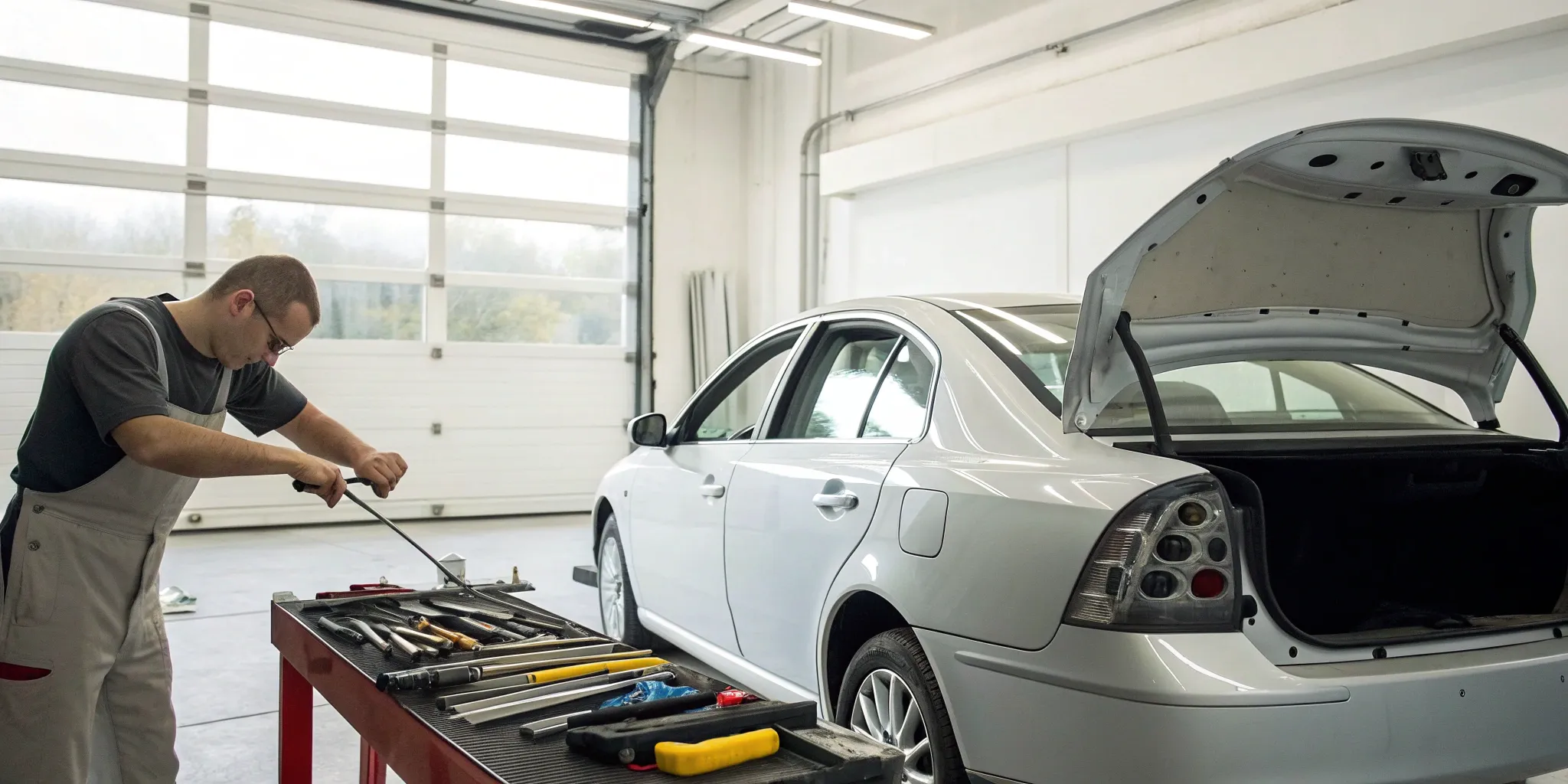
We’ve all been there: a supposedly simple weekend project that quickly spirals into a frustrating and costly mistake. When it comes to auto glass, the stakes are significantly higher. A botched rear windshield removal can leave you with a deep scratch in your paint, a broken interior trim piece, or worse, a new windshield that leaks with the first rain. This guide is designed to help you avoid those common pitfalls. We’ll focus on the professional techniques that ensure a clean and safe removal, highlighting the critical steps where things often go wrong. From choosing the right cutting tool to understanding how weather affects the adhesive, you’ll learn what it takes to do the job correctly from the start.
Key Takeaways
- Proper preparation prevents poor results: Before you begin, gather all the necessary safety gear and specialized cutting tools. The most critical task is meticulously cleaning the old adhesive from the car’s frame to create a perfect surface for the new seal.
- Adapt your approach for your specific vehicle: Every car is different, so be ready to handle unique challenges. This could mean carefully disconnecting integrated tech in a modern car or managing the size and weight of the glass on a large truck or RV.
- Understand the risks of a DIY installation: While removing the glass is possible, installing the new one requires precision. An improper seal can cause leaks and compromise your car’s structural safety, making professional service the most reliable choice for a secure fit.
What You’ll Need for a Safe Removal
Before you even think about touching the glass, let’s talk about getting your toolkit in order. Tackling a rear windshield removal without the right equipment is like trying to bake a cake without a pan—it’s going to get messy, and the results won’t be what you hoped for. Gathering everything you need upfront not only makes the job smoother but also keeps you and your vehicle safe from start to finish. A little preparation goes a long way in preventing a simple DIY from turning into a costly mistake.
Think of this as your pre-flight checklist. We’ll cover the gear to protect yourself, the specialized tools required to cut through the stubborn adhesive, and the supplies you’ll need to get the frame perfectly clean for its new glass. Having these items laid out and ready will give you the confidence to handle the job correctly. If you find the tool list a bit daunting, remember that professional auto glass services exist for a reason, and there’s no shame in calling for backup.
Your Safety Gear Checklist
First things first: protect yourself. You’ll be working with sharp tools and heavy glass, so this step is non-negotiable. Start with a pair of heavy-duty, cut-resistant gloves to protect your hands from slips and sharp edges. Next, grab some safety glasses or goggles. Glass can chip or shatter unexpectedly, and protecting your eyes is critical. It’s also a good idea to wear long sleeves and closed-toe shoes to shield your skin from any stray glass fragments. This isn’t the time for shorts and sandals—think function over fashion.
The Right Tools for the Cut
The rear windshield is held in place by a strong, urethane adhesive. Your main job is to cut through this seal without damaging your car. You have two primary tool options for this. The first is a cold knife, a special L-shaped blade designed to slice through urethane. They’re effective but extremely sharp, so handle with care. The second option is a strong, thin wire, often called piano wire. You’ll thread this wire between the glass and the car frame and use a sawing motion to cut the seal. This method often works best with a helper, but it can be done solo with the right handles.
Supplies for a Clean Slate
Once the glass is out, your work isn’t over. You need to prepare the frame, or “pinch weld,” for the new windshield. This area where the glass sits must be perfectly clean to ensure the new adhesive forms a watertight seal. For this, you’ll need a utility knife or scraper to remove the bulk of the old urethane. After that, use a primer and a lint-free cloth to wipe the pinch weld completely clean of any debris, oil, or residue. A clean surface is essential for a successful windshield replacement that won’t leak later on.
How to Remove Your Rear Windshield, Step by Step
Alright, let’s get into the nitty-gritty of removing your rear windshield. This process requires a steady hand, a lot of patience, and the right tools. It’s not a race, and rushing through any of these steps can lead to a broken window or a damaged car frame, so take your time and work carefully. It’s a good idea to have a friend on standby to help you, especially when it’s time to lift the glass out. We’ll walk through each stage, from getting your car ready to cleaning up the frame for its new glass. Remember, this is a job where precision is key. The goal is a clean removal that sets you up for a perfect installation. If at any point you feel like you’re in over your head, it’s always smarter to call in a professional. A proper windshield replacement isn’t just about fitting new glass; it’s about ensuring a perfect, leak-proof seal that maintains your car’s structural integrity and keeps you safe on the road. This guide will give you the confidence to tackle the job, but knowing your limits is just as important.
Prep Your Vehicle
Before you even think about cutting the seal, you need to get your car ready. Start by giving the area around the rear windshield a good cleaning to remove any dirt or debris that could scratch the paint. Next, carefully remove any exterior decorative trim, moldings, or wiper arms attached to the glass. These pieces are often held on by clips that can be brittle, so use a plastic trim removal tool to gently pry them off without causing damage. Taking these initial prep steps seriously will make the rest of the job much smoother and protect your car’s body from accidental slips with your tools.
Remove the Interior Trim
Once the outside is prepped, it’s time to move inside. You’ll need to remove any interior panels that are touching or covering the edges of the rear windshield. This typically includes the C-pillar covers (the panels on either side of the window) and potentially part of the headliner. Just like with the exterior trim, these panels are usually secured with hidden clips. Work slowly and use your trim removal tools to feel for the clips and release them without snapping the plastic. It’s also a good idea to disconnect the defroster grid connectors at this stage. Bag and label all the screws and clips so reassembly is a breeze.
Cut Through the Adhesive Seal
This is where the real work begins. The windshield is held in place by a strong adhesive, usually urethane or butyl tape. You have two main options for cutting through it: a specialized cold knife or a wire tool. A cold knife has a sharp, L-shaped blade that you pull through the seal. You’ll need to work it carefully between the glass and the frame, making sure the blade only cuts the adhesive. Alternatively, you can use a cutting wire. This involves feeding the wire through the seal and using two handles to “saw” your way around the entire perimeter of the glass. Both methods require significant effort and control to avoid damaging your car.
Lift the Glass Out Safely
You absolutely cannot do this step alone. With the seal completely cut, you’ll need a helper inside the car to gently and evenly push outward on the glass. As they push, you and another person (if possible) should be on the outside, ready to lift the glass away from the vehicle. Industrial-strength suction cups are a huge help here, giving you a secure grip on the heavy, awkward piece of glass. Coordinate with your helper to lift it straight up and away from the car frame. Place it carefully on a soft surface, like a blanket or cardboard, where it won’t get scratched or shattered.
Clean and Prep the Frame
With the old glass out, you’re left with the car’s frame, which will have a thick, messy layer of old adhesive on it. This needs to be completely removed. Use a razor blade or a specialized scraper to carefully shave off the old urethane, leaving only a very thin, flat layer behind. Be extremely careful not to gouge the metal frame or scratch the paint. Once the bulk of the old adhesive is gone, clean the frame with a solvent to remove any residue. A perfectly clean surface is non-negotiable for ensuring the new windshield seals properly and doesn’t leak. This meticulous prep work is a hallmark of a quality auto glass service.
How to Stay Safe During Removal
Taking on a DIY project like removing a rear windshield can be really rewarding, but it’s a job where safety has to come first. One wrong move could lead to a nasty cut, a cracked windshield, or a deep scratch in your car’s paint. Before you even pick up a tool, it’s important to have a clear plan for protecting both yourself and your vehicle. This isn’t a step you want to rush. Taking a few extra minutes to prepare can make the difference between a successful removal and a costly mistake. Think of it as setting yourself up for success from the very beginning. We’ll walk through the key areas to focus on so you can get the glass out cleanly and safely.
Protect Your Car’s Paint and Body
The last thing you want is to save money on a DIY removal only to spend it on paint repair. Your car’s body is vulnerable to slips and scratches from tools and the glass itself. Before you start cutting, always take off any decorative trim around the window. This gives you a clear workspace and prevents accidental damage to delicate parts. It’s also a great idea to use painter’s tape to line the edges of the body and roof around the glass. For extra protection, you can drape a heavy blanket over the trunk and rear of the car, just in case a tool or piece of glass falls.
Your Personal Safety Checklist
When you’re working with sharp tools and heavy glass, personal protective equipment is non-negotiable. Start with a good pair of heavy-duty work gloves to protect your hands from cuts and a pair of safety glasses to shield your eyes from any small glass shards. The cutting knives used for this job are incredibly sharp, so you need to be mindful of where your hands are at all times. As one DIYer put it, “Watch out for your hands so you don’t cut yourself if the knife slips.” Work slowly and deliberately, always cutting away from your body. Following basic auto shop safety rules is just as important in your driveway as it is for a professional.
Handle the Glass with Care
Rear windshields are surprisingly durable in the middle but extremely fragile along the edges. Be careful not to damage the edges of the glass, as this is the most delicate part. A small chip here can easily cause the entire pane to crack under pressure. While the glass is tougher than you might think, it’s best to take your time and be patient. This is also a two-person job. A rear windshield is heavy and awkward to handle alone. Have a friend ready to help you lift the glass out evenly once the seal is cut. Before you start, decide on a safe place to set the glass down, like on a soft blanket or a large piece of cardboard.
Common Mistakes (and How to Avoid Them)
Many first-timers run into the same few problems, but you can avoid them with the right technique. A common error is using the wrong angle with your cutting tool. If the knife tilts the wrong way, it becomes very hard to cut and can cause the glass to break. Keep the blade parallel to the glass for a clean slice. Another mistake is trying to use brute force. Pulling too hard on a cutting wire will just bunch it up instead of cutting the adhesive. Use a steady, sawing motion instead. If you find yourself struggling or feel unsure at any point, it might be a sign to call in a professional for a windshield replacement. It’s always better to be safe than sorry.
Why Weather Matters for Windshield Removal
When you’re planning to remove a rear windshield, checking the weather forecast is about more than just staying comfortable. The temperature and humidity can directly affect the materials you’re working with, especially the tough adhesive that holds the glass in place. The right conditions can make the job significantly smoother and safer, while the wrong ones can turn a straightforward task into a frustrating ordeal. Planning your project around the weather can be the difference between a clean removal and a cracked windshield or damaged car frame. If you can’t wait for the perfect day, working in a garage or other sheltered space is your best bet.
How Temperature Affects the Seal
The adhesive holding your rear windshield is typically a strong polyurethane or butyl tape sealant. Its consistency changes dramatically with the temperature. On a warm, sunny day, the adhesive becomes softer and more pliable, making it much easier to cut through. This not only saves you a lot of physical effort but also reduces the risk of accidentally cracking the glass with too much force. In contrast, cold weather makes the sealant hard and brittle. Trying to cut through a cold, stiff seal is tough work and increases the chances of the glass breaking. A successful windshield replacement starts with a clean removal, and working with, not against, the temperature is key.
Working with Humidity
Humidity plays a bigger role when you’re installing the new glass, but it’s still something to consider during removal. High humidity can make your tools slippery and your hands sweat, which isn’t ideal when you’re handling a large, heavy piece of glass. More importantly, moisture can compromise the car’s frame if it gets into any exposed metal. A dry environment is always best for auto glass work. This ensures that once the old glass is out, the frame is clean and dry, creating a perfect surface for the new adhesive to bond to. This is why professional technicians often control the environment to ensure a flawless, long-lasting seal.
Find the Best Conditions for the Job
The ideal scenario for removing a rear windshield is a warm, dry, and calm day. Think spring or early fall, with moderate temperatures and low humidity. It’s generally much easier to remove windows when it’s warm outside. If you have the flexibility, wait for a day like this to tackle the project. Even with perfect weather, patience is your most important tool. The glass is tougher than you might think, but it’s not invincible. Rushing the process is the fastest way to make a costly mistake. Take your time, apply steady pressure, and let your tools do the work for you.
Create the Right Workspace
Setting up a proper workspace is crucial for a safe and successful removal. If you can, work inside a garage to protect yourself and the vehicle from direct sun, wind, or unexpected rain. Before you even think about cutting, make sure you remove any decorative trim around the window to get clear access to the adhesive seal. Lay out all your tools on a tarp or blanket so they’re organized and within reach. A clean, organized space helps you focus on the task at hand. Professionals can often complete a replacement service in about an hour, but as a first-timer, you should plan for it to take significantly longer.
Adjusting Your Approach for Different Vehicles
Not all rear windshields are created equal. The make, model, and even the year of your vehicle can completely change the removal process. A straightforward job on a standard sedan can become a complex puzzle on a luxury SUV or a heavy-duty truck. Understanding these differences is key to avoiding costly mistakes, whether it’s damaging your car’s body or breaking a pricey piece of glass. Before you pick up a single tool, take a moment to consider what makes your vehicle unique.
Standard Cars vs. Luxury Models
Removing the rear glass from a common car, like a Honda or Toyota, is usually a predictable process. The parts are standard, and the trim is often simpler to remove. When you step up to luxury or exotic vehicles, the game changes. These cars often feature uniquely shaped glass, intricate trim pieces, and integrated electronics that require a delicate touch. The components themselves are more expensive, so a simple slip can turn a budget-friendly DIY into a major expense. You’ll need to be extra patient and meticulous to avoid damaging the surrounding paint, interior, and any hidden sensors.
What to Know About RVs and Trucks
Size is the most obvious challenge when working with RVs and trucks. The rear glass on these vehicles is significantly larger and heavier, making it impossible to handle alone. You’ll need at least one other person to help you safely lift the glass out once it’s free. Beyond the weight, the seals on these larger vehicles are often thicker and tougher, requiring more muscle and specialized cutting tools to break through. The height of the vehicle can also make it awkward to get the right leverage, so be sure you have a stable platform to work from.
Handling Modern Safety Features
Many modern rear windshields do more than just keep the rain out. They often contain a web of technology, including defroster lines, radio antennas, and sometimes even sensors connected to your car’s safety systems. Before you start cutting, you have to carefully identify and disconnect every wire and connector attached to the glass. Damaging a defroster grid is easy to do and can render it useless. If your vehicle has advanced driver-assistance systems (ADAS), some sensors may require professional recalibration after a new windshield is installed, adding another layer of complexity to the job.
Understanding Different Adhesive Types
The black band you see around your windshield isn’t just trim; it hides a powerful adhesive called urethane that bonds the glass to the vehicle’s frame. This bond is crucial for your car’s structural integrity. While most modern cars use urethane, the specific type and thickness can vary. Some are tougher to cut through than others, which will affect your tool choice and the amount of effort required. Older, classic cars might use a different system entirely, like a rubber gasket with butyl tape. Knowing what kind of adhesive you’re dealing with beforehand will help you prepare for a successful removal.
DIY vs. Calling a Pro: What’s Right for You?
So, you’ve successfully removed your rear windshield. Now comes the big decision: do you install the new one yourself or hand the keys over to a professional? While the DIY spirit is admirable, windshield installation is one of those jobs where precision is everything. Your rear windshield isn’t just a piece of glass; it’s a critical component of your vehicle’s structural integrity. An improper installation can lead to leaks, wind noise, and, most importantly, can compromise your safety in an accident.
Deciding between a DIY project and a professional service often comes down to weighing cost, time, and risk. A DIY installation might save you some money on labor, but it requires specialized tools, a specific skillset, and a whole lot of patience. If the seal isn’t perfect or the glass isn’t set correctly, you could end up with a bigger, more expensive problem than you started with. Calling a pro means you’re paying for expertise, efficiency, and peace of mind. A certified technician has the right equipment and experience to get the job done quickly and correctly, ensuring the final result is safe, secure, and seamless. Let’s break down the key factors to help you make the best choice for your car and your confidence.
Know When to Call for Help
Honestly, when it comes to replacing a windshield, it’s almost always best to call for help. This isn’t like changing your oil or swapping out a headlight. Proper windshield replacement requires special tools to apply the urethane adhesive correctly and ensure a perfect, watertight seal. A professional technician understands how to handle the glass without damaging it and how to bond it to the frame so it contributes to your car’s structural safety. A poorly installed windshield can pop out during a collision or leak, causing water damage to your car’s interior. The risks of a DIY job going wrong are high, so unless you have professional auto glass experience, this is a task best left to the experts.
Comparing the Costs: DIY vs. Professional
At first glance, a DIY replacement seems like the cheaper option. You’re only paying for the glass and adhesive, right? But when you factor in the cost of specialized tools you’ll likely only use once, the financial savings start to shrink. Professional replacement costs can range from $200 for a basic vehicle to over $1,000 for luxury cars with special features. While that might sound like a lot, it includes the glass, labor, and a warranty. A mistake during a DIY install—like cracking the new glass or damaging your car’s paint—could easily cost you more to fix than the professional installation would have in the first place. Getting a clear, upfront quote can help you see the true value of a professional job.
Will Your Insurance Cover It?
Before you make a decision based on cost, check your auto insurance policy. If you have comprehensive coverage, there’s a good chance it will cover the cost of your rear windshield replacement, especially if the damage was caused by something other than a collision, like vandalism or a storm. You may have to pay a deductible, which is the amount you pay out of pocket before your insurance coverage begins. A quick call to your insurance agent can clarify your coverage details. Many auto glass shops, including us at Winaffix, have experience working directly with insurance providers and can help you manage the auto glass claims process, making it much smoother for you.
How to Find a Trusted Technician
If you decide to go with a pro, you’ll want to find someone you can trust. Start by looking for local shops with a strong reputation. Reading online reviews from previous customers is a great way to gauge the quality of a company’s work and their commitment to service. When you call for quotes, ask about the technician’s certifications and the type of materials they use. A reputable shop will use OEM (Original Equipment Manufacturer) or equivalent quality glass and adhesives. Don’t forget to ask about warranties on both the glass and the workmanship. A good technician will stand by their work, giving you confidence that your new windshield is installed to last. You can see what our customers have to say about our service.
Getting Ready for the New Windshield
With the old glass out, you’re on the home stretch. But don’t grab the new windshield just yet. This next phase is all about preparation, and it’s arguably the most important part of the entire process. A pristine frame is the foundation for a secure, leak-proof seal that will last for years. Taking your time here ensures the new glass fits perfectly and functions exactly as it should. Rushing this step can lead to annoying wind noise, water leaks, or even a failed installation, so let’s walk through how to get it right.
Prep the Frame for a Perfect Fit
Think of the car’s frame as a blank canvas for your new windshield. For the new adhesive to bond correctly, this surface needs to be perfectly clean. Start by carefully scraping away any remaining urethane or butyl tape from the pinch weld—that’s the metal lip where the glass sits. Be thorough, as even small bits of old adhesive can create gaps in the new seal. Once the old gunk is gone, clean the pinch weld with a recommended solvent to remove any grease, dust, or residue. A clean, smooth surface is essential for a professional-grade windshield replacement and will prevent a world of headaches down the road.
Run a Final Quality Check
Before you even think about applying primer or adhesive, take a moment to inspect your work. Look closely at the pinch weld for any scratches, dings, or rust that might have been hiding under the old seal or happened during removal. Even a small scratch in the paint can expose the metal to moisture and lead to rust, which will compromise the structural integrity of the bond. If you find any damage, you’ll need to treat it with a metal primer before proceeding. This final check ensures the new glass has a solid, stable foundation, which is a key part of our commitment to quality on every job.
How to Dispose of the Old Glass Safely
You can’t just toss an old windshield in your curbside recycling bin. Automotive glass is treated to be shatter-resistant and isn’t processed the same way as glass bottles and jars. The safest way to get rid of it is to contact your local waste management facility. Ask them if they accept auto glass or can direct you to a specialized recycling center. Some auto shops might also take it for a small fee. Of course, when you work with a professional service, we handle the disposal for you, saving you the extra step. If you decide the cleanup is more than you bargained for, you can always get a quote for a pro to finish the job.
Your Post-Removal Inspection Checklist
One last look-over will set you up for a smooth installation. Use this quick checklist to make sure you haven’t missed anything before moving forward.
- Pinch Weld: Is it completely free of old adhesive, dirt, and debris? Run your finger along it to feel for any bumps.
- Paint and Body: Did any of your tools scratch the surrounding paint? Touch up any nicks now to prevent future rust.
- Interior Trim: Are all the clips and fasteners for the interior trim still in place and undamaged?
- Debris: Have you vacuumed up any glass fragments or dust from inside the vehicle and around the frame?
Taking a few extra minutes for this final inspection ensures all our auto glass services start with a flawless foundation.
Related Articles
- Back Glass Replacement: Cost, Process & What to Expect
- Replacement Rear Window Cost: A Complete Guide
- How Much to Replace a Windshield? A 2025 Guide
- How Much Does a Windshield Replacement Cost?
Frequently Asked Questions
How long should this realistically take a first-timer? While a professional technician can often complete a replacement in about an hour, you should set aside a full afternoon for a DIY removal. Rushing is the fastest way to make a mistake, like scratching your paint or cracking the glass. The most time-consuming steps are often carefully cutting the adhesive seal and then meticulously cleaning the old urethane off the frame. Give yourself plenty of time so you can work slowly and deliberately.
What’s the single biggest mistake people make when trying this themselves? The most common pitfall is underestimating the old adhesive. Many people try to use brute force to cut through it or pull the glass out before the seal is fully severed. This can easily lead to a cracked windshield or a gouged car frame. The key is patience. Use a steady, sawing motion with your cutting tool and let the tool do the work. If you feel like you have to force it, take a break and re-evaluate your angle and technique.
Can I reuse the rear windshield if I get it out without breaking it? Technically, yes, but it’s very difficult to do without causing damage. The edges of the glass are extremely fragile, and it’s common to create small, nearly invisible stress fractures during removal. These can compromise the glass’s integrity, making it unsafe to reinstall. For safety and to ensure a perfect seal, we always recommend installing a brand-new piece of glass.
My rear window has defroster lines and an antenna. Does that make removal harder? It adds a few critical steps to the process. Before you start cutting the seal, you must carefully locate and disconnect all the electrical connectors for these features from inside the car. They are often delicate, so you need to be gentle. Forgetting to disconnect them or pulling too hard can easily damage the grid or the wiring, which can be a complicated and expensive fix.
I’ve removed the glass, but cleaning the old adhesive off the frame is taking forever. Any tips? This is a tedious but crucial step, and there aren’t many shortcuts. The best approach is to use a sharp scraper or razor blade to carefully shave the old urethane down, leaving a very thin, flat layer of about 1-2mm. The goal isn’t to get down to bare metal, but to create a smooth, uniform base for the new adhesive to bond to. Be extremely careful not to scratch the paint on the frame, as this can lead to rust down the line.