

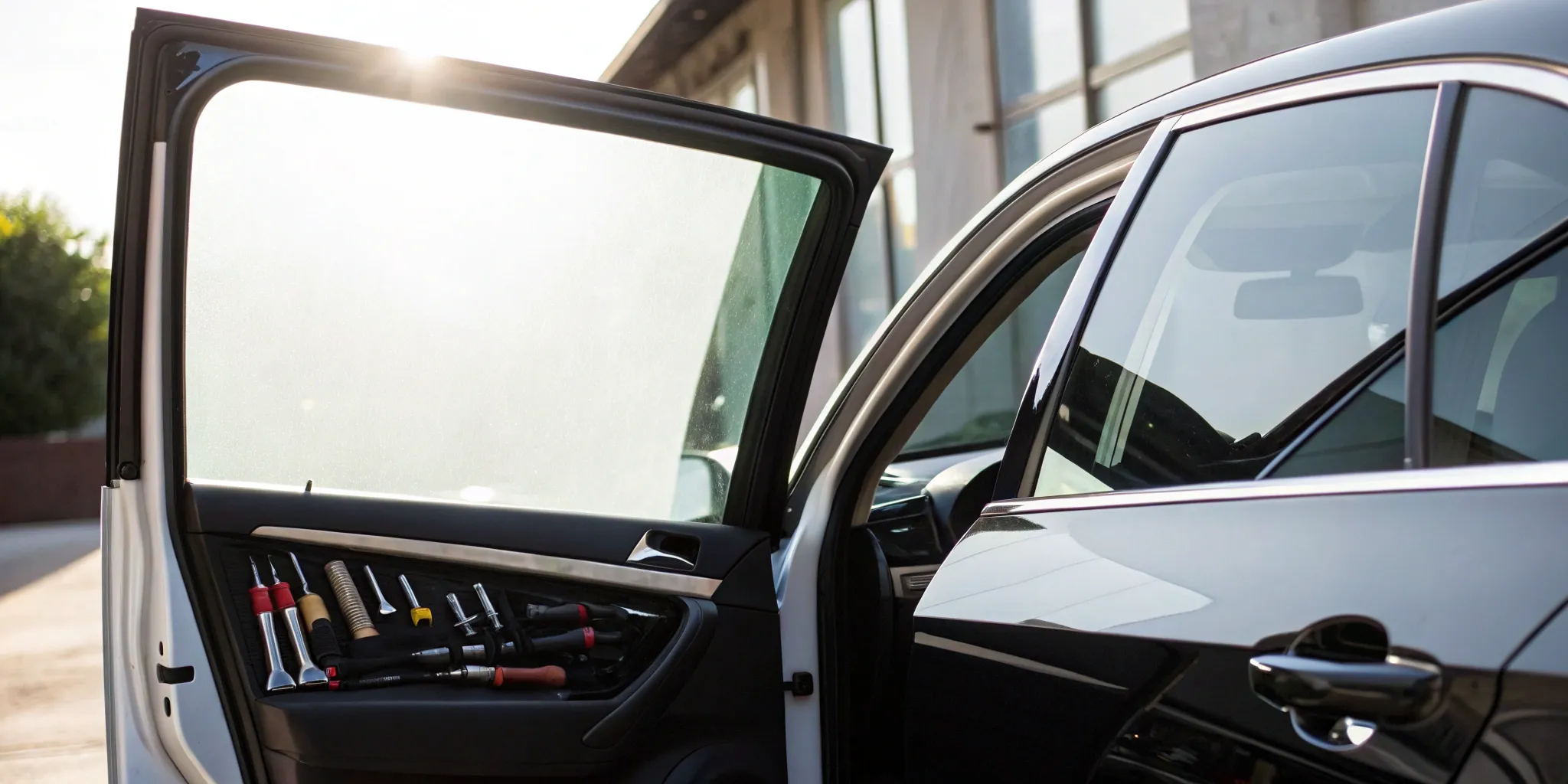
A broken car window often presents a choice: roll up your sleeves for a DIY repair or call in a professional. If you’re handy with tools, tackling the job yourself can seem like a great way to save on labor fees. However, modern car doors are complex, filled with delicate wiring and safety components. Before you start, it’s crucial to weigh the potential savings against the risks. A key part of this decision is understanding the full window regulator replacement cost, including both parts and professional installation. This article will explore both options, outlining the steps for a DIY fix and explaining what to expect from a professional service, helping you decide which path is right for you.
Key Takeaways
- Address Window Issues Promptly: A slow, noisy, or crooked window is a clear sign of a failing regulator. Fixing it early is about more than convenience—it protects your car from theft and weather damage.
- Know What Influences the Final Price: Your total replacement cost is determined by your vehicle’s make, the type of parts used, and local labor rates. Getting multiple quotes helps you find a fair price for quality work.
- Weigh the Pros and Cons of DIY: While replacing the regulator yourself can save on labor, it requires specific tools and risks damaging other components. For a guaranteed and safe fix, trusting a professional is the most reliable choice.
What is a Window Regulator?
Ever pushed the button to roll down your car window and been met with a sad grinding noise, a slow crawl, or worse, nothing at all? The culprit is likely a faulty window regulator. Simply put, the window regulator is the mechanical part inside your car door that moves the glass up and down. Think of it as the hidden hero behind that smooth, effortless glide you expect every time you want some fresh air.
When it works, you don’t think about it. When it breaks, it can be a major inconvenience and even a safety concern. A window that’s stuck open leaves your car vulnerable to theft and the elements, while one that’s stuck closed can be frustrating on a beautiful day. The good news is that fixing it is a common job. Understanding what this part is and what it does is the first step in figuring out your repair options and getting your window back on track. At Winaffix, we handle car window regulator repairs all the time, so you can get back to enjoying the breeze.
What Makes Up a Window Regulator
So, what’s actually inside your door panel making the magic happen? A window regulator isn’t just one single piece; it’s a small assembly of parts working together. Typically, it includes a track that the window slides along, a guide to keep it perfectly aligned, and a lifting mechanism. In modern cars, this mechanism is powered by a small electric motor. When you press the window switch, it sends a signal to this motor, which then moves the window along its track. If any of these components—the track, the guide, or the motor—wears out or breaks, the whole system can fail.
Manual vs. Power Regulators
Window regulators come in two main flavors: manual and power. Manual regulators are the classic hand-crank style you might remember from older cars. They are simpler systems with fewer parts, which means there’s less that can go wrong. Power regulators, on the other hand, use an electric motor and a switch to do the heavy lifting for you. While incredibly convenient and standard in most vehicles today, their complexity means there are more potential points of failure, from the motor burning out to a faulty switch. The type you have will influence the repair process and the overall cost.
Signs Your Window Regulator is Failing
Your car is usually pretty good at telling you when something is wrong, and a failing window regulator is no exception. You just have to know what to listen and look for. One of the most common signs is a change in speed—if your window opens or closes much slower than it used to, the motor might be on its way out. You might also hear strange noises like clicking, grinding, or popping when you use the window. Other red flags include the window getting stuck, falling down into the door panel, or moving at a crooked angle. If you press the button and nothing happens at all, that’s a sure sign it’s time for a professional diagnosis.
How a Broken Regulator Affects Your Safety
A broken window regulator is more than just an annoyance; it can pose a real risk to your safety and security. A window that won’t close properly leaves your vehicle exposed to rain and other harsh weather, which can lead to water damage inside your car. More importantly, it makes your car an easy target for theft. A window stuck in the down position is an open invitation for someone to reach in and take your belongings or even attempt to steal the vehicle itself. Don’t leave yourself vulnerable. Getting a timely auto glass repair ensures your car remains secure and you stay protected from the elements.
The Real Cost of Window Regulator Replacement
When your car window gets stuck, one of the first questions that pops into your head is, “How much is this going to set me back?” The truth is, the final price isn’t a one-size-fits-all number. It depends on several things, like your car’s make and model, the specific parts needed, and even where you live. Let’s break down the typical costs so you can get a clear picture of what to expect and avoid any surprises when you get the bill.
The Cost of Parts
The window regulator itself is the biggest variable when it comes to parts. The price can swing quite a bit depending on your vehicle. For a common sedan, you might find the part for a reasonable price, but for luxury or exotic vehicles, the cost can be significantly higher. On average, you can expect the window regulator replacement cost for the part alone to be anywhere from $200 to $800. This range covers both OEM (Original Equipment Manufacturer) parts and aftermarket options. Getting the right part is crucial for a lasting repair, so it’s important to factor this into your budget.
What to Expect for Labor Costs
Replacing a window regulator isn’t as simple as just popping in a new part. A technician needs to carefully remove the interior door panel, disconnect electrical components, detach the window glass, and then swap out the old regulator. This process requires precision to avoid damaging the door, window, or wiring. According to RepairPal, you can expect labor costs to be estimated between $140 and $205. At Winaffix, our experienced technicians handle these car window regulator repairs efficiently to get you back on the road safely and quickly.
Estimated Costs for Your Vehicle
When you combine the cost of parts and labor, you get your total replacement cost. So, what’s the bottom line? Kelley Blue Book notes that the average cost for a rear window regulator replacement is between $613 and $700. Other estimates place the average total cost for any window regulator replacement between $375 and $533. The final price tag will depend heavily on your specific vehicle and the type of regulator it needs. For a precise estimate tailored to your car, it’s always best to get a quote from a trusted professional.
Will Insurance or Warranty Cover It?
This is a common question, and the answer is usually no—at least for standard auto insurance. Most policies cover damage from accidents or theft, but not mechanical failures from normal wear and tear. However, if you have an extended warranty or a mechanical breakdown insurance policy, you might be in luck. These plans are designed to cover repairs for parts like a window regulator. It’s always a good idea to read your policy documents carefully or call your provider to confirm your coverage. We can also help you understand the process for auto glass claims.
How Location Affects the Price
You might not think your zip code would affect your car repair costs, but it does. Labor rates vary significantly from one city to another based on the local cost of living and demand. Because of this, the cost varies subject to the location of your vehicle. A repair shop in a major metropolitan area will likely have higher overhead and charge more for labor than a shop in a smaller town. This is why getting a local quote is so important for an accurate price. Winaffix offers convenient mobile service, bringing our expertise directly to you and providing clear, upfront pricing.
What Affects Your Final Replacement Cost?
Getting a clear price for a car repair can feel tricky, but it doesn’t have to be. When it comes to replacing a window regulator, the final bill depends on a few key factors. Understanding what goes into the quote will help you feel confident about the service you’re getting. From the type of car you drive to the parts you choose, each element plays a role in the total cost. Let’s walk through the main variables so you know exactly what to expect.
Your Car’s Make and Model
The single biggest factor influencing your replacement cost is the car you drive. A window regulator for a common sedan like a Honda Accord will be much more affordable than one for a luxury vehicle or a high-performance sports car. Parts for premium brands are often more expensive, and the complex engineering inside the door can make the repair more labor-intensive. The same goes for larger vehicles; a regulator for a heavy-duty truck or RV will naturally cost more than one for a compact car. When you request a quote, having your vehicle’s make, model, and year handy ensures you get the most accurate estimate right from the start.
OEM vs. Aftermarket Parts
You’ll have a choice between two types of replacement parts: OEM and aftermarket. OEM (Original Equipment Manufacturer) parts are made by your car’s manufacturer. They are identical to the part you’re replacing, guaranteeing a perfect fit and function, but they come at a higher price. Aftermarket parts are made by third-party companies. They are designed to work just like the original but are usually more budget-friendly. While many aftermarket parts are high-quality, their performance can sometimes vary. Your decision often comes down to your budget and how long you plan to keep the car. We can help you weigh the pros and cons for your specific car window regulator repair.
Where You Live and Local Labor Rates
Just like housing or gas prices, auto repair labor rates can differ quite a bit depending on your location. Mechanics in major metropolitan areas often have higher overhead costs, which can translate to higher hourly rates compared to those in smaller towns. According to RepairPal, labor costs for a window regulator replacement can range from $140 to $205, but this is just an average. The best way to know the cost in your area is to get a local quote. At Winaffix, we provide clear, upfront pricing for our mobile service, bringing the repair directly to you without any hidden travel fees.
The Need for Additional Parts
Sometimes, a broken window regulator is just one piece of the puzzle. During the repair, a technician might discover that other components are also worn out or damaged. For example, if the window motor has been straining to lift a faulty regulator, it might be close to failing, too. In other cases, clips, brackets, or even the interior door panel might need to be replaced if they were damaged. A thorough technician will inspect the entire window assembly to identify any related issues. This ensures you won’t have to schedule another repair for the same window a few months down the road.
Don’t Forget Diagnostic Fees
Before a mechanic can fix the problem, they have to pinpoint exactly what’s wrong. Some repair shops charge a diagnostic fee for this initial investigation. This fee covers the technician’s time to remove the door panel and inspect the window assembly. Often, this charge is waived or applied toward the final repair cost if you decide to move forward with the service at that shop. It’s always a good idea to ask about diagnostic fees upfront so there are no surprises on your bill. At Winaffix, we make it simple by providing a free, no-obligation quote for your repair.
Can You Replace a Window Regulator Yourself?
If you’re comfortable working on your car and have the right tools, replacing a window regulator can be a satisfying DIY project. It’s a great way to save on labor costs and get to know your vehicle a little better. However, it’s not a simple plug-and-play repair. Modern car doors are packed with complex components, including wiring, speakers, and safety features like side-impact airbags. The job requires patience, precision, and a bit of mechanical know-how.
Before you start pulling your door apart, it’s important to honestly assess your skill level and understand the potential challenges. Breaking a plastic clip on the door panel or damaging a wire can turn a money-saving project into a more expensive headache. Let’s walk through what the job entails so you can decide if it’s the right move for you or if it’s better to call in a professional.
Tools You’ll Need for the Job
To get started, you’ll need more than just a basic screwdriver. A good set of socket wrenches is essential for unbolting the regulator assembly. You’ll also want a specialized panel removal tool, which is a thin, strong pry tool designed to pop off the door panel without scratching the paint or breaking the delicate plastic clips that hold it in place. Depending on your car’s make and model, the job might get more involved. Some vehicles use rivets to secure the regulator, which means you’ll need to drill them out and have the right size nuts and bolts ready for the reinstallation.
How to Stay Safe
Safety should always be your top priority when working on your car. Before you begin, it’s a good idea to disconnect the car battery to prevent any electrical shorts. Inside the door panel, you’ll find a web of electrical wires for the power windows, locks, and speakers. You need to be extremely careful when unplugging these connectors. You’ll also have to work around the door latch cable. Most importantly, be aware of the side-impact airbag, if your vehicle has one. Accidentally triggering an airbag can cause serious injury, so if you’re unsure how to work around it safely, it’s best to stop and call a professional.
A Step-by-Step DIY Guide
The replacement process follows a few key steps. First, you’ll need to carefully remove the interior door panel to access the regulator. This usually involves finding and removing a few hidden screws before prying the panel off. Next, you’ll peel back the weather barrier and unplug any electrical connections attached to the regulator motor. After that, you’ll unbolt the old regulator from the door frame and detach it from the window glass itself. With the old part out, you can install the new regulator, reattach the glass, plug everything back in, and put the door panel back on.
Common Mistakes to Avoid
One of the most common DIY pitfalls is damaging the door panel. The plastic clips holding it on can be brittle and break easily if you use too much force or the wrong tool. It’s also easy to scratch the panel or the door’s paint. Inside the door, the tight space makes it tricky to work, and you risk damaging wires or the door latch cable if you’re not careful. Rushing the job can lead to a misaligned window or a regulator that isn’t securely fastened, causing more problems down the road. Taking your time is key to avoiding these simple but frustrating mistakes.
When to Call a Professional
If you’ve read through these steps and feel a bit out of your depth, that’s perfectly okay. If you don’t have the right tools, feel uneasy about working around airbags and electrical systems, or simply don’t have the time, calling an expert is the smartest choice. A professional can handle the job quickly and correctly, ensuring everything works perfectly. If your window is just starting to show signs of failure, like moving slowly, it’s a good idea to get it looked at sooner rather than later. Winaffix offers expert car window regulator repairs that can save you from being stuck with a window that won’t close.
How to Save on Replacement Costs
Dealing with an unexpected car repair can be stressful, but a broken window regulator doesn’t have to break the bank. With a little planning, you can manage the expense and get your window working again without overpaying. The key is to be proactive and informed. By understanding your options and taking a few simple steps, you can find a high-quality repair that fits your budget and gives you peace of mind. Here are some practical ways to save on your window regulator replacement costs.
Get Multiple Quotes
Before you commit to a repair, it’s smart to shop around. Getting estimates from a few different auto glass shops helps you understand the fair market price for the job. When you compare quotes, don’t just look at the final number. Consider the quality of the parts being used, the warranty offered, and the convenience of the service. A slightly higher price might be worth it for a mobile service that comes to you. You can easily get a quote to see what your repair might cost and ensure you’re getting a competitive price.
Choose Quality Parts
It can be tempting to go with the cheapest part available, but this can cost you more in the long run. Lower-quality aftermarket parts may not fit as well or last as long, leading to another replacement sooner than you’d like. Opting for high-quality parts from a trusted provider ensures durability and proper function, reducing the need for future repairs. A reputable technician will be transparent about the parts they use for their car window regulator repairs and can explain the differences between your options, helping you make a choice that balances cost and quality.
Understand Your Warranty
Don’t forget to check your car’s manufacturer warranty before scheduling a repair. Many people assume they have to go to the dealership for service, but having your car repaired by a qualified independent mechanic will not void your warranty. This gives you the freedom to choose a trusted local shop that may offer better pricing and more convenient service. Also, ask the repair shop about the warranty they provide on their own parts and labor. A solid warranty is a sign that the company stands behind its work and gives you protection for your investment.
Tips for Preventive Maintenance
The best way to save money on repairs is to avoid them in the first place. Pay attention to how your windows operate. If you notice a window is slower than usual, makes grinding or clicking noises, or seems to move unevenly, it’s a good idea to have it inspected. Addressing these early warning signs can often prevent the regulator from failing completely, which can save you from a more expensive and urgent repair. Don’t force a window that is struggling to move, as this can cause the cable to snap or the motor to burn out.
When to Schedule Your Replacement
If you know your window regulator is starting to fail, don’t put off the repair. It’s much easier to schedule a replacement when the window can still be closed. Waiting until it gets stuck open leaves your car vulnerable to theft and weather damage, turning a manageable inconvenience into a real emergency. Acting quickly prevents the problem from getting worse and allows you to arrange the repair on your own terms. With convenient same-day service, you can get the issue fixed fast without disrupting your entire day.
What to Expect from a Professional Installation
Handing your keys over to a mechanic can feel a bit daunting, but knowing what happens behind the scenes can make the entire process feel much smoother. When you bring your car in for a window regulator replacement, a professional technician follows a clear, systematic process to get your window working like new again. From the initial check-up to the final test, every step is designed to ensure a safe and effective repair. Let’s walk through what you can expect when you trust a professional with the job.
The Initial Diagnosis
The first thing a technician will do is confirm that the window regulator is actually the problem. They’ll start by testing the window switch to see how the window responds. Does it move at all? Is it slow, jerky, or making strange noises? They will check if the window motor is working and if the glass is loose in its track. To get a clear picture, the technician will then carefully remove the interior door panel. This gives them direct access to the regulator assembly, allowing for a thorough inspection to pinpoint the exact cause of the failure before starting any car window regulator repairs.
Selecting the Right Parts
Once the problem is confirmed, the next step is to find the correct replacement part. Your car’s make, model, and year are crucial here, as window regulators are not one-size-fits-all. A professional shop will have access to a wide range of high-quality parts, including both original equipment manufacturer (OEM) and reliable aftermarket options. They will help you choose the best part for your vehicle and budget, ensuring a perfect fit and lasting performance. Getting the right part is essential for a successful repair, which is why our technicians are trained to handle the specific needs of all kinds of exotic vehicles, RVs, and trucks.
The Installation Process
With the right part in hand, the installation begins. The technician will start by disconnecting any electrical wiring attached to the old regulator and motor. They will then carefully unbolt the old assembly and remove it from inside the door frame. The new regulator is then fitted into place, secured, and reconnected to the power and window glass. This process requires precision and a gentle touch to avoid damaging the door, window, or internal wiring. Once everything is hooked back up, the technician will reinstall the door panel, making sure every clip and screw is back in its proper place.
Final Quality and Safety Checks
Before the job is considered complete, the technician will perform a series of final checks. They will test the window’s movement repeatedly, ensuring it glides up and down smoothly without any hesitation, sticking, or unusual noises. This step confirms that the new regulator is functioning correctly and that all connections are secure. A thorough quality check guarantees the repair is not only effective but also safe for you and your passengers. We take pride in our meticulous work, and our customer reviews reflect our commitment to getting the job done right the first time.
Caring for Your New Window Regulator
Your new window regulator should give you years of reliable service, but there are a few things you can do to keep it in great shape. Try to avoid slamming the car door, as the repeated impact can put stress on the internal components. If you notice your window starting to slow down or struggle again, it’s a good idea to have it looked at sooner rather than later. Addressing small issues early can prevent them from turning into a bigger, more expensive problem down the road. At Winaffix, we’re dedicated to providing lasting solutions and helping you care for your vehicle long after you leave our shop.
Related Articles
- Driver Side Window Replacement: Cost & Process
- Window Power Repair: A Guide to DIY & Costs
- Power Window Repair: Your Guide to Cost & Fixes
Frequently Asked Questions
How long does a window regulator replacement usually take? For an experienced technician, replacing a window regulator is a fairly routine job. In most cases, the entire process takes about one to two hours. This includes the time needed to carefully remove the door panel, swap out the old part, install the new one, and test everything to make sure it’s working perfectly before putting it all back together.
Can the window regulator be repaired, or does it always need to be replaced? While it might seem like a simple repair would be cheaper, window regulators are typically replaced as a complete unit. The regulator is an assembly of several moving parts, like cables and plastic guides, that are designed to work together. When one part fails, others are often worn and close to failing, too. Replacing the entire assembly is the most reliable and long-lasting solution, ensuring you won’t have to deal with the same problem again in a few months.
My window is stuck. How do I know if it’s the regulator or the motor? This is a great question, as the symptoms can be very similar. If you hear a grinding or clicking sound when you press the window switch but the window doesn’t move, the problem is likely the regulator. If you press the switch and hear absolutely nothing, it could point to a faulty motor or an electrical issue. The only way to know for sure is to have a professional take a look inside the door panel to diagnose the exact cause.
Is it safe to drive my car with a broken window regulator? While it won’t affect your car’s ability to drive, it does present some safety and security risks. A window that’s stuck open makes your car an easy target for theft and leaves the interior exposed to the weather. A window that is loose in the door could also suddenly drop while you’re driving, which can be startling and distracting. It’s always best to get the issue fixed as soon as you can.
Why did my window regulator fail? Is it something I did? It’s highly unlikely that you did anything to cause the failure. A window regulator is a mechanical part that is constantly in use, and over time, its components simply wear out. The cables can fray, the plastic guides can become brittle and break, and the motor can burn out from strain. This is a very common repair for vehicles of all ages and is generally considered a result of normal wear and tear.
