

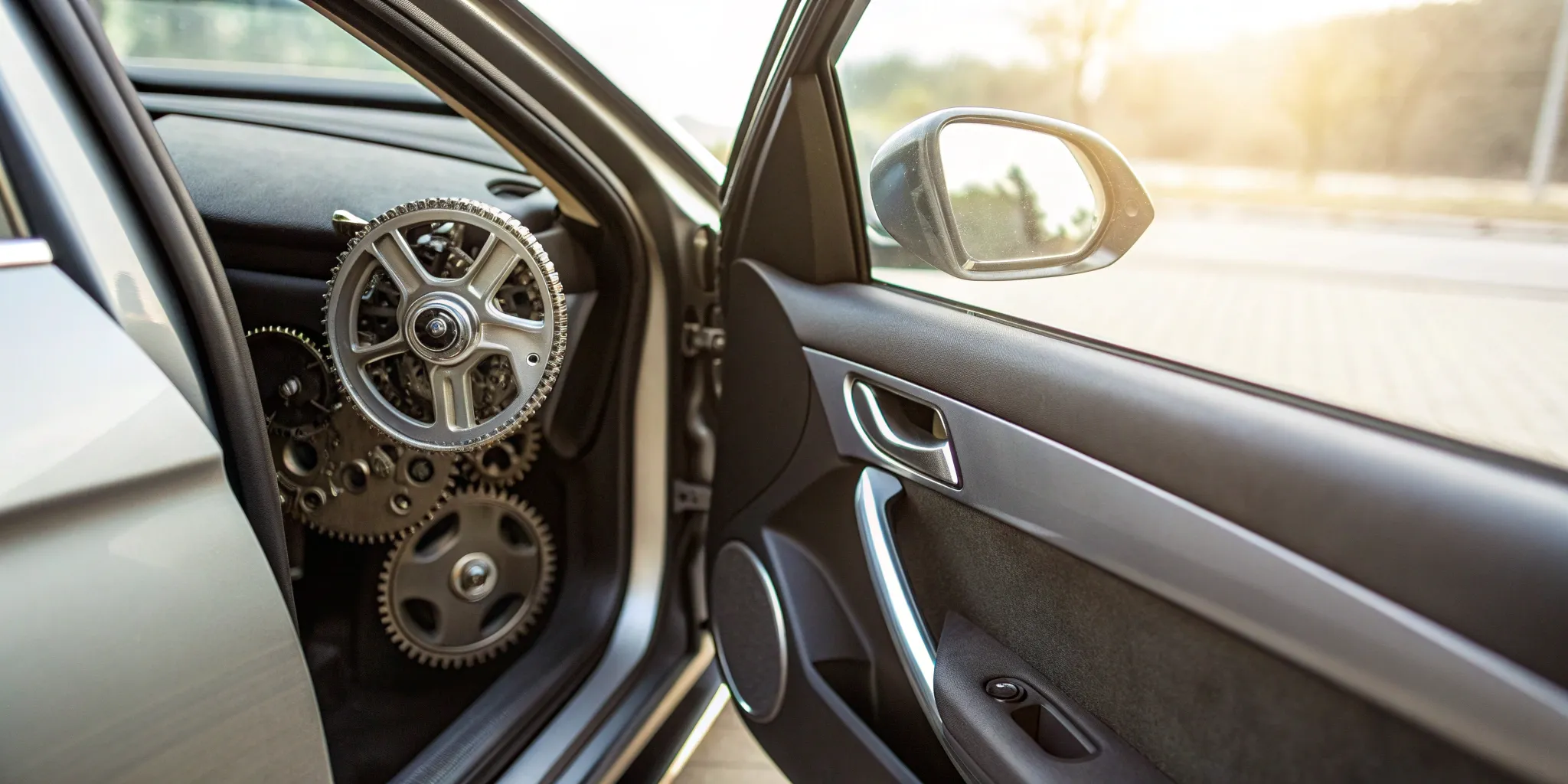
The technology inside your car doors has evolved far beyond a simple motor and switch. Today’s power windows are smarter and safer, often featuring one-touch operation, anti-pinch sensors, and integration with your car’s central computer system. While these advancements add incredible convenience, they also add a layer of complexity to the repair process. A window that won’t budge might not be a mechanical issue at all, but an electronic one. This article explores the technology in modern vehicles and explains what these changes mean when you need an automotive power window repair. Understanding how these systems work is the first step to getting a fast and accurate fix.
Key Takeaways
- Listen to your car’s warning signs: Strange noises, slow movement, or a crooked window are early clues that something is wrong. Addressing these symptoms quickly can help you avoid a complete failure and a more expensive repair down the line.
- Know when to call a professional: While some temporary fixes are possible, modern power window systems are complex. If you’re dealing with an electrical issue or a broken regulator, an expert technician can provide a safe, lasting repair and save you from causing more damage.
- A little maintenance goes a long way: You can extend the life of your power windows with simple habits. Regularly cleaning the window seals and taking time to defrost ice before use prevents unnecessary strain on the motor and keeps everything running smoothly.
Is Your Power Window Stuck? Common Problems and Fixes
There’s nothing more frustrating than a power window that won’t budge. Whether it’s stuck open during a rainstorm or won’t go down on a perfect day, a faulty window is a major inconvenience and can even be a safety concern. The good news is that most issues are common and completely fixable. Let’s walk through what might be going on with your window and what you can do about it. Understanding the signs and the mechanics can help you decide on the best next step.
Signs It’s Time for a Repair
Your car often gives you little warnings before a part gives out completely, and your power windows are no exception. The signs can be subtle at first, but catching them early can save you from a bigger headache later. Be on the lookout for:
- The window moves much slower than it used to.
- You hear grinding, clicking, or popping noises when you press the button.
- The window goes up or down crookedly.
- You have to press the switch multiple times to get it to work.
- The window drops down into the door on its own.
These problems usually point to a worn-out motor, a bad switch, or a damaged window regulator—the track that guides the glass. Sometimes, environmental factors like snow and ice can cause damage. If any of this sounds familiar, it’s probably time for a car window regulator repair.
What Makes Your Power Window Work?
It might feel like magic, but the system behind your power window is pretty straightforward. When you press the switch, you’re sending an electrical signal to a small motor inside your car door. This motor powers the window regulator, a mechanism of gears and cables that lifts the window up or pushes it down along its track. Think of it as a tiny, powerful elevator just for your window glass. Over years of opening and closing your window, these mechanical parts—especially the motor and the plastic components of the regulator—can simply wear out. It’s a common issue in most vehicles and not a sign that you’ve done anything wrong.
How to Diagnose the Problem
Before you call for help, you can do a little detective work to narrow down the issue. First, try the master switch on the driver’s side door as well as the switch on the door with the problem window. If it works with one switch but not the other, the issue is likely the switch itself. If you hear the motor whirring or grinding but the window isn’t moving, the problem is probably the regulator. If you hear complete silence when you press the button, it could be a faulty motor or an electrical issue like a blown fuse. While checking a fuse box is simple, tracing electrical problems can get complicated. For anything beyond a simple switch or fuse issue, it’s best to have a professional technician provide auto glass services to pinpoint the exact cause.
How Much Does Power Window Repair Cost?
When your car’s power window stops working, one of the first questions that comes to mind is, “How much is this going to set me back?” It’s a fair question, and the answer isn’t always straightforward. The final bill for a power window repair can vary quite a bit, typically landing somewhere between $100 and $300, but sometimes it can be more. The cost depends on what exactly broke, the type of car you drive, and the labor involved.
Think of it like this: a simple switch replacement is a quick and relatively inexpensive fix. But if the window motor has burned out or the regulator assembly is damaged, you’re looking at a more involved repair with more expensive parts. The make and model of your vehicle also play a huge role. Parts for a luxury sedan or a high-performance sports car are often pricier than those for a standard family car. Don’t worry, though. A good repair shop will always give you a clear quote upfront, so you know exactly what to expect before any work begins. Understanding the different factors will help you feel more prepared when you get that estimate.
Breaking Down the Costs: Parts and Labor
The total cost of your power window repair is split into two main categories: parts and labor. The parts are the physical components that need to be replaced, which could be the window motor, the switch on your door panel, or the window regulator—the mechanism that actually lifts and lowers the glass. The price of these parts can differ significantly based on your car’s make and model.
Labor is the other half of the equation. This is the cost for the technician’s time and expertise to diagnose the problem, take apart the door panel, replace the faulty component, and put everything back together correctly. A more complex car window regulator repair will naturally take more time than swapping out a simple switch, which will be reflected in the labor cost.
Will Your Insurance Cover It?
This is a common question, and the answer depends entirely on your insurance policy. Power window failures are typically considered a mechanical issue, not damage from an accident or theft. For this reason, most standard liability or collision policies won’t cover the repair. However, if you have comprehensive coverage, there’s a chance it might be included.
Your best bet is to review your policy documents or give your insurance agent a call to confirm. Keep in mind that even if it is covered, you’ll still have to pay your deductible. If the repair cost is less than your deductible, it makes more sense to pay out of pocket. We can help you figure out the best course of action and even assist with auto glass claims if it’s a covered event.
What Influences the Final Price?
Several key factors determine the final price of your power window repair. The most significant is your vehicle’s make, model, and year. Parts for luxury brands, European cars, or exotic vehicles are generally more expensive and can require more specialized labor to install.
The specific part that failed also makes a big difference. A faulty switch is one of the least expensive fixes, while a dead window motor or a broken regulator assembly will cost more. Sometimes, multiple components fail at once, which can also increase the price. The location of the window matters, too, as front windows can sometimes be more complex to repair than rear ones. A professional technician can quickly diagnose the exact issue and give you a precise quote based on these factors.
DIY vs. Professional Repair: Which Is Right for You?
When your car window gets stuck, the temptation to roll up your sleeves and fix it yourself is strong. A quick search online makes it seem easy enough, and who doesn’t want to save a bit of money on car repairs? But before you start pulling off the door panel, it’s worth taking a moment to consider what you’re getting into. Modern power window systems are a delicate mix of mechanical and electrical parts, and what seems like a simple jam could be a sign of a more complex issue with the motor, regulator, or wiring.
The right choice between a DIY fix and calling a professional comes down to the specific problem, your comfort level with car mechanics, and whether you have the right tools for the job. While a hands-on approach can be satisfying, sometimes handing the keys to an expert is the faster, safer, and ultimately more effective solution. A botched repair can lead to bigger problems, like a broken window or damaged door interior, costing you more in the long run than the initial professional service would have. To help you decide, let’s break down the key considerations, from knowing when a problem is out of your league to understanding the safety precautions you can’t afford to skip.
When to Call in the Pros
If your window is completely unresponsive, it’s usually best to get professional help. Power window issues often go deeper than what you can see. The problem could be a faulty motor, a broken window regulator, a bad switch, or a frayed cable pulley. Trying to force a fix without knowing the root cause can lead to more damage, like a shattered window or a broken door panel. A professional technician can accurately diagnose the issue and has the specialized tools to perform complex car window regulator repairs safely. If you’re not confident in your diagnostic skills, calling an expert will save you time and frustration.
Your DIY Toolkit
Think you’re ready to give it a shot? First, make sure you have the right equipment. A successful DIY window repair requires more than just a can-do attitude. You’ll need a basic set of tools, including various screwdrivers (both Phillips and flathead), a socket and ratchet set, and most importantly, a set of plastic trim removal tools. These specialized tools are designed to pry off interior door panels without scratching or breaking the plastic clips that hold them in place. Without them, you risk causing cosmetic damage that can be difficult and expensive to fix. Having the right gear is the first step to a successful repair.
Staying Safe During a DIY Repair
Working on your car’s electrical system always comes with risks. Before you even think about removing the door panel, your first step should be to disconnect the car’s battery. This prevents the window from moving unexpectedly while your hands are inside the door, which could cause serious injury. Secondly, be extremely careful when handling the window glass itself. It’s more fragile than you think and can shatter if it’s dropped, hit, or if you overtighten the bolts holding it in place. Always wear safety glasses and gloves, and consider having a friend help you hold the glass steady while you work.
Simple Fixes You Can Do Yourself
While most power window issues need a pro, there is one temporary fix you might be able to handle. If the window motor has failed but the glass is just stuck in the down position, you can often raise it manually. With the door open, place your palms firmly on both sides of the glass and push it upward into the frame. You may need to wiggle it a bit to get it moving. This can secure your car until you can get a proper repair. However, this is just a temporary solution. For a permanent fix that ensures your window works smoothly again, it’s best to get a quote from a trusted professional.
How to Choose the Right Repair Service
When your car’s power window stops working, finding the right person to fix it can feel like another chore on your to-do list. It’s tempting to just search for the closest or cheapest option and hope for the best. But choosing a quality repair service is the best way to make sure a small annoyance doesn’t turn into a recurring headache. Think of it this way: your car windows aren’t just for letting in a nice breeze. They’re a key part of your vehicle’s security and structural integrity. A poorly done repair can lead to leaks, wind noise, or even complete failure down the road, leaving your car vulnerable.
Taking a few minutes to vet your options will give you peace of mind and save you money in the long run. A great technician will not only fix the immediate issue but also spot potential problems before they start. They use the right tools and parts, ensuring the repair lasts. This isn’t just about getting your window to go up and down again; it’s about restoring your car to its original condition and ensuring your safety. So, how do you sort through the options and find a service you can trust? It comes down to looking for a few key signs of quality, asking the right questions, and understanding what a good company should offer. Here’s what to focus on to find a reliable pro for the job.
What to Look for in a Repair Shop
The first thing to look for is a shop that employs trained, certified technicians. You wouldn’t want an amateur working on your car’s electrical system, and your power windows are no different. Experienced pros know how to diagnose the problem correctly the first time. They also use high-quality parts that are designed to last, so you won’t be back with the same issue in a few months. A shop’s reputation speaks volumes, so take a moment to read through recent customer reviews. Honest feedback from past clients is one of the best indicators of the quality of service you can expect.
Questions You Should Always Ask
Before you hand over your keys, it’s smart to ask a few questions to make sure the shop is the right fit. Don’t be shy—a reputable business will be happy to provide clear answers.
Here are a few key things to ask:
- Have you worked on my specific make and model before?
- Can you provide a detailed, itemized quote before you begin the work?
- How long do you expect the repair to take?
- What kind of warranty do you offer on parts and labor?
Getting a clear quote upfront helps set expectations and ensures there are no surprises when you get the final bill.
What to Know About Warranties
A warranty is more than just a piece of paper; it’s a company’s promise that they stand behind their work. If a repair shop doesn’t offer a warranty, consider it a red flag. A solid warranty protects you if the repair fails or if the replacement part is defective. At Winaffix, we include a lifetime warranty on our auto glass work because we’re confident in our technicians and the quality of our materials. When you’re comparing shops, ask specifically what their warranty covers—including both parts and labor—so you know you’re protected for the long haul.
The Convenience of Mobile Repair
Let’s be honest, your schedule is already packed. Taking time out of your day to drive to a repair shop and wait around is a hassle nobody needs. That’s where mobile repair services come in. Many top-tier companies, including Winaffix, offer mobile service where a technician comes to your home or office to perform the repair on-site. This saves you time and lets you get on with your day. When you need a car window regulator repair, you can have it fixed during your lunch break without ever leaving the parking lot. It’s the ultimate convenience.
Keep Your Power Windows Working Smoothly
We use our power windows so often that we barely think about them—until they stop working. A stuck window is more than just an inconvenience; it can leave your car vulnerable to weather and theft. The good news is that a little preventative care can go a long way in keeping the motors, regulators, and switches in good shape. By incorporating a few simple habits into your routine, you can extend the life of your power windows and avoid the headache of an unexpected repair. Think of it as a small investment of your time to protect a feature you rely on every day. These simple checks and maintenance tips will help you keep everything gliding along as it should.
Simple Checks to Perform Regularly
Your power windows rely on a system of motors, switches, and tracks to move smoothly. With constant use, these parts can naturally wear out. A great habit is to simply pay attention. Once a month, take a moment to roll each window all the way down and then back up. Listen for any unusual sounds like grinding, clicking, or straining. Does one window seem much slower than the others? These are often the first clues that a motor is wearing out or the track needs adjustment. Catching these small issues early can help you avoid a complete failure, which always seems to happen at the worst time. If you notice anything out of the ordinary, it’s smart to look into car window regulator repairs before a small problem becomes a big one.
How to Care for Your Windows Seasonally
The changing seasons can be tough on your vehicle, and your power windows are no exception. In the winter, ice is the biggest threat. Forcing a frozen window down with the power button puts a huge amount of strain on the window motor and can cause it to burn out completely. Always take the time to fully defrost your windshield and windows before trying to operate them. In the spring and summer, dust, pollen, and other grime can build up in the window tracks and rubber seals. This debris creates friction, forcing the motor to work harder than it should. Wiping down the glass and seals regularly will ensure the window can glide freely, reducing wear on the entire system.
How to Prevent Common Problems
The most effective way to prevent a major power window issue is to address minor symptoms as soon as they appear. If you notice a window is starting to slow down, hesitates, or seems to struggle on its way up or down, don’t just ignore it and hope it goes away. This is your car’s early warning system telling you that something needs attention. Putting off a small fix often leads to a more complicated and expensive repair later. A struggling motor that isn’t addressed could fail entirely, leaving your window stuck in the open position. Scheduling a quick inspection at the first sign of trouble allows you to handle the repair on your own schedule, rather than in an emergency.
Tips to Make Your Windows Last Longer
A few good habits can significantly extend the life of your power windows. First, try to avoid slamming your car doors. The jarring impact can rattle the delicate mechanisms inside the door panel, potentially knocking the window off its track or damaging the regulator assembly. It’s also helpful to operate the windows every so often, even if you typically rely on your car’s climate control. This keeps the parts moving and prevents the seals from getting stiff. If a window ever does get stuck open, it’s important to get it fixed by a professional quickly to protect your car’s interior. While taping the glass to the frame can serve as a temporary fix in an emergency, it’s not a secure or weatherproof long-term solution.
A Look at Modern Power Window Tech
It’s easy to take power windows for granted until they stop working. But the technology behind that simple button has come a long way from the basic motors of the past. Car manufacturers are constantly innovating, making window systems smarter, safer, and more integrated with the rest of your vehicle. These advancements are great for convenience, but they also mean that repairs can be more complex. Understanding what’s going on inside your car door can help you appreciate the tech you use every day and know what to do when something goes wrong.
What’s New in Window Systems?
The days of a simple switch connected to a motor are fading fast. Modern power window systems are becoming increasingly sophisticated, with a focus on lighter materials, more efficient motors, and smarter controls. The automotive power window market is seeing major growth, which shows that manufacturers are investing heavily in this technology. This means we’re seeing more features like one-touch operation and anti-pinch safety functions that prevent the window from closing on an object. These changes make for a smoother and safer ride while also adding complexity to the system’s design.
Exploring Smart Window Features
Have you noticed how your car’s windows are becoming part of its central nervous system? That’s because smart features are now standard in many new vehicles. These systems do more than just open and close your windows; they often connect with your car’s security system and can sometimes be controlled remotely through a key fob or smartphone app. This integration adds a fantastic layer of convenience and safety. However, it also means that a simple window issue might be tied to a more complex electronic problem, making professional car window regulator repairs more important than ever.
The Latest in Repair Techniques
Just as window technology has evolved, so have the methods for fixing it. The good news is that repair techniques are becoming more efficient and effective. Technicians now have access to advanced diagnostic tools that can quickly pinpoint whether the problem is mechanical or electrical. Innovative repair solutions are being developed to address a wide range of component issues, often leading to faster and more cost-effective fixes. This means less time with your car in the shop and more money in your pocket, which is a win-win for any car owner facing a stubborn window.
Is Your Car’s Tech Up to Date?
With all these advancements, it’s worth taking a moment to consider the technology in your own car. As vehicles become more connected, features that were once considered luxuries are now becoming standard. Knowing what systems your car has—from anti-pinch sensors to remote operation—can help you better understand its needs. If you drive a newer model, a malfunctioning window might even affect other systems, like those requiring windshield recalibration after a replacement. Staying informed about your car’s features ensures you can enjoy them fully and seek the right help when they need a tune-up.
Related Articles
- How to Fix a Shattered Car Window: A Step-by-Step Guide
- Reliable #1 Car Window Regulator Repairs – Winaffix
- Secure Car Window Regulator Repairs to Prevent Theft
- How to Repair a Cracked Car Windshield: DIY Steps
- Cost to Fix a Cracked Windshield: The Ultimate Guide
Frequently Asked Questions
How can I tell if the problem is the switch or the motor? A great way to narrow it down is to try both switches. First, use the switch on the door with the stuck window. Then, try the master control switch on the driver’s side door. If the window works with one switch but not the other, you’re likely dealing with a bad switch, which is a relatively simple fix. If neither switch works and you don’t hear any sound from inside the door, the issue is probably the motor or an electrical problem like a fuse.
Is it safe to drive with my window stuck in the down position? Driving with a window stuck open is a security risk. It leaves your car vulnerable to theft and exposes the interior to rain, dust, and other elements that can cause damage over time. While it might seem like a minor annoyance, it’s best to get it repaired as soon as possible to keep your car and your belongings secure.
How long does a power window repair usually take? The time it takes depends on the exact problem, but most common repairs are surprisingly quick. A straightforward regulator or motor replacement can often be completed in about an hour or two. With a mobile service, a technician can perform the repair at your home or office, so you can get it fixed without disrupting your entire day.
Can I just tape my window up until I get it fixed? Taping your window up is a common sight, but it should only be a temporary, last-resort solution to get you to a repair shop. The tape can damage your car’s paint and leave a sticky residue that’s difficult to remove. More importantly, it doesn’t create a secure or weatherproof seal, leaving your car unprotected.
Will my car insurance pay for a power window repair? Typically, standard auto insurance policies do not cover power window repairs because they are considered mechanical failures rather than damage from an accident. While some comprehensive policies might offer coverage, you’ll still have to pay your deductible. If the cost of the repair is less than your deductible, it makes more sense to pay for it out of pocket.
