
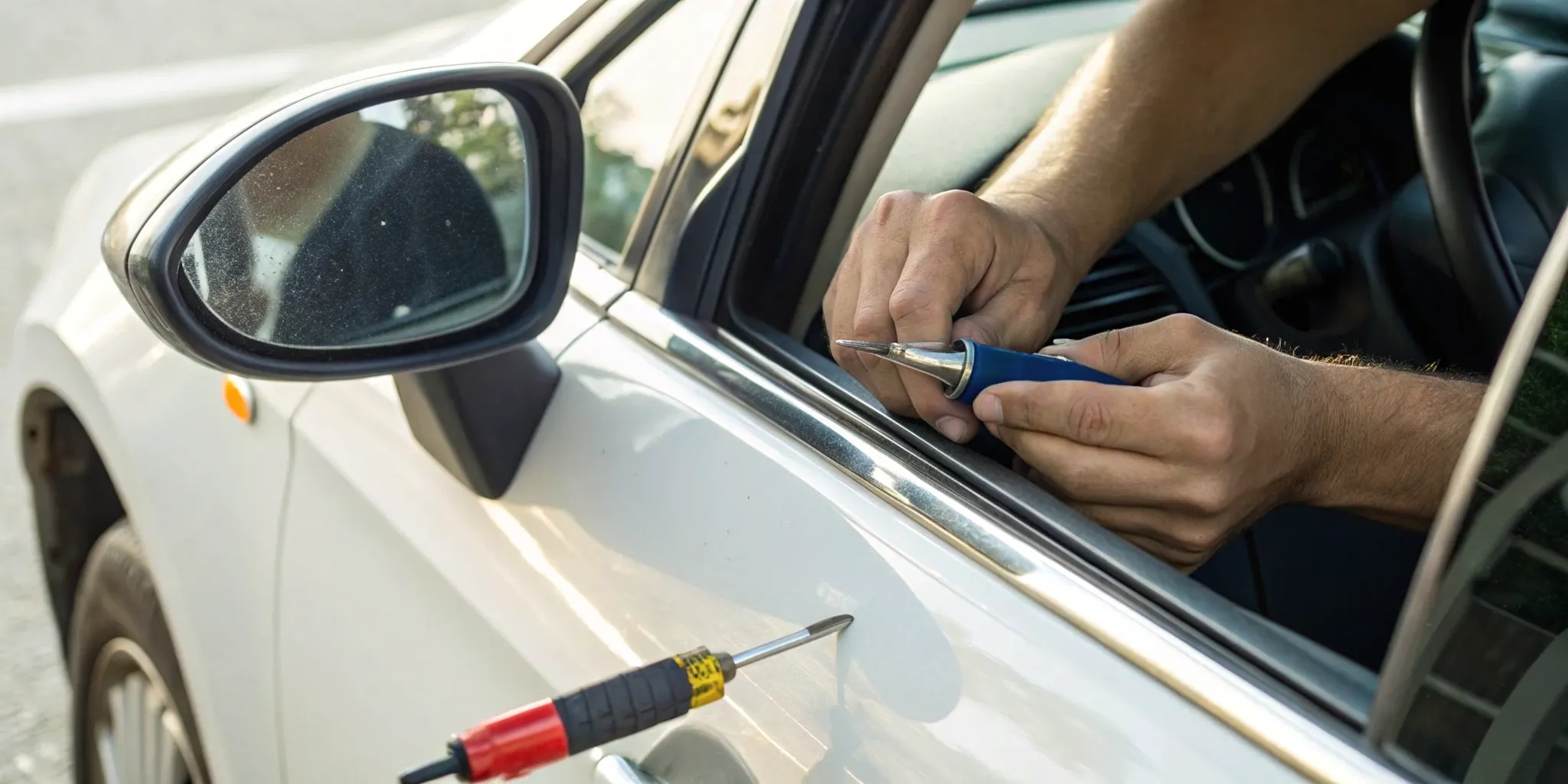
Seeing a broken mirror often leads to one immediate thought: how much is this going to cost? Before you brace for a hefty bill from the dealership, you should know there’s a much more affordable solution. Replacing the entire mirror assembly can be expensive, but a simple car mirror glass repair is a budget-friendly alternative that you might even be able to do yourself. This guide is designed to break down all your options. We’ll explore the costs of both DIY and professional services, helping you make an informed decision that gets you back on the road safely without draining your wallet.
Key Takeaways
- Evaluate the Repair’s Complexity: A simple glass-only replacement is a great DIY project. However, if the damage involves the mirror’s housing or advanced features like heating and blind-spot sensors, calling a professional ensures the job is done right without causing further electrical issues.
- Match the Mirror to Your Car’s Features: Before buying, confirm the replacement glass is compatible with your car’s specific make, model, year, and any special functions like heating or auto-dimming. An incorrect fit can create dangerous blind spots and disable important safety features.
- Prioritize Safety by Fixing Your Mirror Promptly: A damaged mirror is more than a cosmetic flaw—it’s a critical safety failure that creates dangerous blind spots. A quick repair restores your full field of vision and keeps you safe and legal on the road.
Is Your Car Mirror Damaged?
That heart-sinking crunch of a side mirror hitting a garage door frame or a stray shopping cart is a sound no driver wants to hear. Or maybe you just returned to your car to find a mysterious crack spiderwebbing across the glass. Whatever the cause, a damaged mirror is more than a cosmetic issue—it’s a critical safety component. Your side and rearview mirrors are your best tools for seeing what’s happening around you, from changing lanes to backing into a tight spot. Ignoring damage can compromise your visibility and put you at risk.
Before you decide whether to tackle a repair yourself or call in a professional, it’s important to understand the extent of the damage. From a simple crack to a completely shattered piece of glass, knowing what you’re dealing with is the first step toward getting it fixed right. Let’s walk through how to assess the situation, recognize the warning signs, and understand why a quick repair is always the best policy.
Common Types of Mirror Damage
Mirror damage comes in a few common forms. You might see small chips or deep cracks from impacts, or the glass could be completely shattered. Sometimes, the problem isn’t the glass itself but the housing that holds it, which can get cracked or knocked loose. It’s also important to remember that your car’s mirrors are specifically designed for their location and can’t be replaced with ordinary household mirror glass. They are shaped to give you the widest possible view and reduce blind spots. Damage can also affect the mirror’s special features, like heating elements that defrost glass or automatic dimming functions that reduce glare.
Signs It’s Time for a Repair
The most obvious sign you need a repair is visible damage, like a crack or shattered glass. But there are other, more subtle clues. Is the mirror glass loose or vibrating excessively when you drive? That could mean the adhesive has failed. If your car has advanced features, you might notice other issues. For cars with heated mirrors, blind spot sensors, or signal lights built into the glass, a malfunction is a clear sign that something is wrong internally. The complex wiring for these features is delicate, and any damage can disrupt their performance, signaling it’s time for a professional look. If you need a quick assessment, you can always get a quote to understand your options.
Why a Damaged Mirror Is a Safety Risk
Driving with a broken mirror is a gamble. Your side mirrors are essential for safely changing lanes, merging into traffic, and parking. A cracked or distorted mirror gives you an incomplete and unreliable view of your surroundings, creating dangerous blind spots. An improperly installed replacement can be just as bad; struggling with alignment can lead to imperfect visibility and serious safety issues on the road. This is why a secure, professional installation is so important. Just as you wouldn’t drive immediately after a windshield replacement to let the adhesive cure, a mirror needs to be perfectly placed and secured to do its job. A compromised mirror not only puts you at risk but can also get you a ticket, as many areas have laws requiring functional side mirrors.
Your DIY Mirror Repair Toolkit
Before you dive into replacing your car’s side mirror glass, let’s get you set up for success. Having the right tools and materials on hand makes the entire process smoother, safer, and much less frustrating. A little preparation goes a long way in turning a potentially tricky job into a straightforward fix. We’ll walk through the essentials, from the tools that do the work to the safety gear that protects you. We’ll also cover how to choose the right adhesive to make sure your new mirror stays put and what to look for in quality replacement glass. With this toolkit, you’ll be ready to tackle the repair with confidence.
The Tools You’ll Need
You don’t need a professional mechanic’s entire toolbox for this job, but a few key items are essential. Start by grabbing a pair of heavy-duty work gloves and safety glasses—we’ll talk more about those in a moment. To remove the broken pieces of glass, a pair of needle-nose pliers can be incredibly helpful for picking out small, stubborn shards. You’ll also want a set of plastic trim removal tools. Using these instead of a screwdriver prevents you from scratching your car’s paint or cracking the plastic mirror housing. A heat gun or hairdryer can also be useful for softening the old adhesive, making the broken glass easier to remove.
Don’t Forget Your Safety Gear
This is the one area where you absolutely should not cut corners. You’re working with broken glass, which can be unpredictable and sharp. The most important pieces of safety equipment are protective gloves and safety glasses. Heavy-duty leather or work gloves will protect your hands from cuts as you handle the damaged mirror. More importantly, always wear safety glasses. Even a tiny glass sliver can cause serious eye damage, so it’s critical to protect your eyes from any shards that might fly off during removal. It’s a simple step that makes the entire process much safer.
Choosing the Right Adhesives
Once the old glass is out, you’ll need a way to secure the new mirror. Your replacement glass might come with adhesive already on it, which is the easiest option. If it doesn’t, you have two main choices: double-sided automotive adhesive pads or a strong, waterproof glue. The adhesive pads are pre-cut and easy to apply, offering a solid bond. Alternatively, you can use a special glue like epoxy designed for automotive use. This can provide an even stronger hold but may require a bit more care during application to avoid a mess. Whichever you choose, make sure it’s rated for outdoor and automotive use to withstand weather and vibrations.
Recommended Brands for Replacement Glass
The quality of your replacement mirror glass matters. A poor-quality mirror can distort your view, creating a safety hazard. Look for high-quality replacement glass from reputable aftermarket brands that specialize in automotive mirrors. When shopping, you’ll need to know your car’s year, make, and model. Also, pay attention to features. Does your mirror have a heating element for defrosting or an auto-dimming function? Be sure the replacement glass you buy is compatible with these features if your vehicle has them. Checking for an exact match will ensure everything works correctly after installation.
How to Replace Your Mirror Glass: A Step-by-Step Guide
Ready to tackle this yourself? Replacing just the mirror glass is a manageable project if you have the right tools and a bit of patience. Let’s walk through the process together. Remember, every car is a little different, so it’s always a good idea to check your vehicle’s manual for specific instructions. If at any point you feel unsure, it’s better to call in a professional than to risk causing more damage.
First, Prepare for Safety
Before you start, your safety is the top priority. Broken glass is sharp, so you’ll want to wear a pair of thick work gloves and safety glasses to protect your hands and eyes from any stray shards. It’s also helpful to lay down a towel or drop cloth below the mirror to catch any falling pieces. If you’re working with adhesives, make sure you’re in a well-ventilated area.
Step 1: Remove the Damaged Glass
Your first task is to get rid of the old, broken mirror. If the glass is just cracked but mostly intact, you can gently heat the surface with a heat gun or hairdryer to soften the adhesive holding it to the backing plate. Then, carefully use a putty knife or flathead screwdriver to pry the old glass off. If the mirror is shattered, your goal is to remove as much of the old broken glass as you can. Take your time with this step to avoid scratching the mirror housing.
Step 2: Prepare the Mirror Housing
Once the old glass is gone, you’ll see the backing plate inside the mirror housing. You need a clean surface for the new glass to adhere to properly. Scrape off any remaining adhesive and glass fragments from the backing plate. A plastic scraper can help prevent damage. When the surface is clear, wipe it down with rubbing alcohol to remove any grease or residue. A clean, dry surface ensures a strong bond for your new mirror.
Step 3: Install the New Mirror Glass
Now for the main event. Most replacement mirror glass kits are either “stick-on” or “snap-on.” For a stick-on mirror, you’ll apply the included double-sided adhesive pads or a bead of silicone adhesive to the back of the new glass. Then, carefully align the mirror with the backing plate and press it firmly into place for at least a minute. If your new mirror is a “snap-on” model, you’ll need to remove the entire old backing plate and snap the new assembly into the housing.
Step 4: Test and Make Final Adjustments
After the new glass is secure, it’s time to test your work. Get in the driver’s seat and use your car’s controls to make sure you can adjust the mirror properly up, down, and side to side. If you have a heated mirror, turn on your car’s defroster to confirm it’s working correctly. Give the adhesive plenty of time to cure—check the product instructions, but it’s usually best to wait 24 hours before washing your car.
Mistakes to Avoid During Installation
Even a straightforward job can have its pitfalls. To ensure a smooth installation, watch out for these common mistakes:
- Buying the wrong size: Double-check that the replacement glass is the correct size and shape for your car’s make, model, and year. An improper fit can create dangerous blind spots.
- Poor alignment: Take your time lining up the glass before pressing it into place. Once the adhesive makes contact, it can be difficult to reposition.
- Using the wrong adhesive: Only use adhesives designed for auto glass. Household glues may not withstand temperature changes and vibrations.
- Forgetting to test: Always test the mirror’s electronic functions before you consider the job done.
If you run into trouble or just want the peace of mind that comes with a professional installation, our team at Winaffix is here to help with all auto glass services.
How Much Will a Mirror Glass Repair Cost?
Figuring out the cost of a mirror glass repair can feel a bit like a guessing game, but it doesn’t have to be. The final price tag depends on a few key factors, including your car’s make and model, the mirror’s features, and whether you decide to tackle the job yourself or call in a professional. The good news is that replacing just the mirror glass is almost always a more affordable solution than buying a whole new mirror assembly, which can easily run you hundreds of dollars at a dealership. Let’s break down what you can expect to pay so you can make the best choice for your car and your budget.
Cost Breakdown: DIY vs. Professional Service
If you’re handy and decide to go the DIY route, your main expense will be the replacement glass itself, which can range from $20 to $70, plus a few dollars for adhesive. This is definitely the most budget-friendly path. However, if you’d rather leave it to the experts, you’re looking at a different cost structure. A professional service includes both parts and labor. On average, replacing a single side mirror costs around $299, with materials making up about $140 to $330 of that total and labor adding another $90. While it costs more upfront, hiring a pro ensures the job is done correctly, especially if your mirror has complex wiring.
What Influences the Final Price?
Several things can affect the final cost of your mirror repair. The make and model of your vehicle play a big role; parts for luxury or exotic vehicles are naturally more expensive than those for a standard sedan. Modern mirror features also add to the price. If your car has heated mirrors, blind-spot sensors, or built-in signal lights, the replacement glass will be more complex and costly. Tugging too hard on these wires during a DIY attempt can lead to even more expensive repairs. Finally, the extent of the damage matters. If only the glass is cracked, it’s a simple fix. But if the housing or internal motor is broken, you might need to replace the entire unit.
Will Your Insurance Cover It?
You might be wondering if your auto insurance will foot the bill. The answer depends on your policy. Mirror damage is typically covered under comprehensive insurance, but you’ll have to pay your deductible first. If your deductible is $500 and the repair costs $300, it makes more sense to pay out of pocket. It’s always a good idea to review your policy or call your agent to understand your coverage. Many auto glass shops can also help you with the claims process. At Winaffix, we frequently assist customers with their auto glass claims to make the experience as smooth as possible.
How to Choose the Right Replacement Mirror
Before you even think about grabbing your tools, the most important step is finding the right replacement mirror glass. It’s not as simple as finding one that looks about the right size. Modern car mirrors can come with a variety of features, from heating elements to advanced safety sensors. Getting the wrong one won’t just be frustrating—it can be a real safety hazard. Let’s walk through exactly what you need to look for to ensure you get a perfect, safe, and functional fit for your vehicle.
Ensuring It Fits Your Vehicle
First things first, you need to match the glass to your car’s specific make, model, and year. Car manufacturers often tweak designs year to year, so a mirror for a 2019 model might not fit a 2020 version of the same car. You’ll also need to specify whether you’re replacing the driver-side or passenger-side mirror, as they are shaped differently. Many online auto parts stores have tools that let you input your vehicle’s information to find the exact part you need. Double-check the part number against your owner’s manual if you can find it.
Understanding Mirror Types and Features
Getting the wrong size or shape can create dangerous blind spots and affect your visibility. But beyond the fit, you need to account for any special features your mirror has. Does it have an auto-dimming function to reduce glare from headlights behind you? Is there a small light that acts as a blind-spot indicator? Some mirrors even have integrated turn signals built right into the glass. If your current mirror has these features, your replacement glass must also be compatible. Ignoring these details can lead to error messages on your dashboard or, worse, safety systems that no longer work.
Heated vs. Non-Heated: What’s the Difference?
One of the most common features is a heating element that defrosts or defogs your mirror in cold or wet weather. You can usually tell if you have heated mirrors by looking for a small heat-grid symbol on the glass itself or on your car’s climate control panel. If your car has them, you must buy a heated replacement. This glass will have electrical connectors on the back that attach to wires inside the mirror housing. When you’re making the swap, be gentle. Tugging too hard on these wires can cause damage, turning a simple fix into a more complicated car window regulator repair.
Why Quality Matters
While replacing just the mirror glass is far more affordable than buying a whole new mirror assembly from a dealership, this isn’t the place to cut corners. Low-quality glass can have distortions that warp your view of the road, which is a serious safety risk. A well-made piece of replacement glass will offer a clear, accurate reflection and be manufactured to the same standards as your original mirror. It will also fit perfectly into the housing, preventing wind noise at high speeds and keeping moisture out. Investing in quality glass ensures your repair will last and keep you safe on the road.
Where to Find Quality Mirror Glass
Finding the right replacement glass for your car mirror is a crucial step in this DIY project. You have a few different paths you can take, from heading to your local auto parts store to browsing online retailers. Each option has its own set of pros and cons when it comes to price, convenience, and quality. Knowing where to look and what to look for will help you find the perfect part without overspending. Let’s walk through the best places to source your new mirror glass so you can get your car back in safe, working order.
Shopping at Local Auto Parts Stores
If you need a replacement part today, your local auto parts store is your best bet. You can walk in, talk to an employee, and leave with the exact piece you need, which is a huge plus if you’re short on time. For an even more budget-friendly option, check out local “pull-a-part” junkyards. You might score a used mirror assembly for a fraction of the price of a new one. It takes a bit more effort, but the savings can be significant, especially if you find a vehicle that’s the same make and model as yours. This is a great way to find an original part on the cheap.
Finding Deals with Online Retailers
The internet offers a massive selection of replacement mirror glass, often at very competitive prices. Websites like RockAuto or specialized retailers sell high-quality glass that lets you fix a cracked mirror without replacing the entire unit. This is usually much cheaper than buying the whole assembly. The key is to double-check your vehicle’s make, model, and year to ensure you’re ordering the correct part. Pay close attention to details like whether the mirror is heated or has a blind-spot indicator. Always read reviews and check the return policy before you buy to avoid any headaches down the road.
When to Go to the Dealership
If you want a guaranteed perfect match and an original equipment manufacturer (OEM) part, the dealership is the place to go. However, this is almost always the most expensive route. Dealerships often sell the entire mirror assembly—the housing, glass, and internal motors—which can run into hundreds of dollars. If your mirror has complex features like auto-dimming or integrated turn signals, the dealership might be necessary to ensure everything works correctly. But for a simple glass replacement, it’s usually more cost-effective to explore other options or even call a professional service for a quote.
Tips for Comparing Prices
Don’t assume that just buying the glass is always the cheapest option. Do some comparison shopping before you commit. Sometimes, you can find a full mirror assembly on a marketplace like eBay Motors for less than what a specialty retailer charges for just the glass. Create a quick list comparing prices from local stores, online retailers, and marketplaces. Remember to factor in shipping costs for online purchases, as that can change which deal is truly the best. A few minutes of research can save you a surprising amount of money and help you make the smartest choice for your repair.
DIY or Call a Pro? How to Decide
So, you’re standing in front of your car, looking at that cracked mirror, and thinking, “Can I fix this myself?” It’s a great question. Going the DIY route can definitely save you some cash, but it’s not always the best move. Sometimes, calling in an expert is the smarter, safer, and even more cost-effective choice in the long run. This decision really comes down to the complexity of the repair, your own comfort level with hands-on projects, and how much time you’re willing to spend. Let’s break down the key factors to help you figure out whether to grab your tools or your phone.
Signs You Should Call a Professional
The biggest sign you should call a pro is a simple gut feeling. If you don’t feel comfortable doing it yourself, it’s best to ask for help. Modern car mirrors are often more than just a piece of glass; they can house heating elements, blind spot sensors, and turn signals. If your car has these advanced features, the wiring can get complicated fast. A simple mistake could lead to a much bigger electrical issue. Another reason to call for professional service is if the damage goes beyond the glass itself. If the mirror housing is cracked or the internal motor that adjusts the mirror is broken, you’re looking at a more involved repair that’s usually best left to an expert.
What Skills Do You Need for DIY?
To successfully replace your mirror glass, you’ll need a bit of patience and some basic hands-on skills. First, you need to be a good researcher. Every car is different, so you’ll have to find the right replacement part and follow your car’s specific instructions from the manufacturer. You also need a steady hand and an eye for detail. Properly aligning the new glass is critical for visibility and safety. It often requires a specific technique, like pushing on the center of the glass to lock it in place, not from the side. If you’re the type of person who enjoys following detailed instructions and working carefully, you’re probably well-equipped for the job.
Weighing the Time and Cost
The main appeal of a DIY repair is the cost savings. Replacing just the mirror glass is a much more affordable solution than buying a whole new mirror assembly from a dealership. However, you need to factor in your time. Think about the hours you’ll spend researching the right part, waiting for it to arrive, and then completing the installation. If a mistake happens, you could end up spending more time and money fixing it. Getting a quick, no-obligation quote from a professional can give you a clear picture of the true cost difference. When you consider the convenience, speed, and peace of mind that comes with an expert repair, you might find it’s well worth it.
Keeping Your Mirrors in Top Shape
Once your mirrors are in perfect condition, you’ll want to keep them that way. A little bit of preventive care and regular attention can save you from future headaches and expenses. By knowing what to look for and how to handle your mirrors correctly, you can extend their lifespan and ensure they’re always working to keep you safe on the road. Think of it as a small investment of your time that pays off big in terms of safety and peace of mind. These simple habits are easy to adopt and can make a real difference in maintaining your vehicle’s integrity and appearance.
Staying Street Legal
Your side and rearview mirrors are essential safety equipment, and keeping them functional is a legal requirement. For modern vehicles, this goes beyond just having an intact piece of glass. Many mirrors now include features like heating elements, blind spot sensors, and integrated signal lights. When dealing with these, you have to be careful with the wiring. A simple tug or forced connection can damage these systems, potentially leading to a failed inspection or a ticket. Ensuring all electronic features work correctly is just as important as having a clear, crack-free view. If you’re ever unsure, getting a professional auto glass service is the best way to stay compliant.
How to Do Regular Inspections
Making mirror inspections part of your routine is a great way to catch small problems before they become big ones. Once a month, or whenever you wash your car, take a moment to check them over. Look for any cracks or chips in the glass. Gently wiggle the mirror housing to see if it’s loose. Test the electronic controls to make sure you can adjust the mirror properly from the driver’s seat. Common issues like misalignment or loose electrical connections can often be spotted early. A proactive check helps you maintain clear visibility and ensures all the integrated safety features are functioning as they should.
Simple Tips for Preventive Care
A little care goes a long way in preventing mirror damage. Always be mindful in tight spaces like parking garages or narrow drive-thrus. If you have power-folding mirrors, use the button to retract them instead of pushing them by hand, which can strip the gears. When cleaning the glass, use an ammonia-free cleaner to protect any special coatings. And if you ever need to perform a repair, it’s a good idea to check your car’s specific instructions from the manufacturer. If a task feels beyond your comfort zone, it’s always best to ask a professional for help to avoid causing more damage.
Quick Troubleshooting Tips
If you notice your mirror isn’t adjusting correctly, there are a few things you can check. First, confirm that the mirror selector switch is set to the correct side (left or right). If it’s an electrical issue, you might check your car’s fuse box to see if a fuse has blown. If you’ve recently worked on the mirror, double-check that you reattached any wires you may have disconnected. When snapping new glass into place, always push gently on the center to lock it in, not on the edges, as this can cause it to crack. These simple troubleshooting steps can often resolve minor issues without needing a full replacement.
Related Articles
- Back Glass Replacement: Cost, Process & What to Expect
- How Much Does a Windshield Replacement Cost?
- How Much to Replace a Windshield? A 2025 Guide
- Auto Glass Car Window Replacement: Cost & Process
- What’s the Real Windshield Replacement Cost?
Frequently Asked Questions
My mirror has a blind-spot sensor. Does that make the repair more difficult? Yes, it definitely adds a layer of complexity. Mirrors with integrated features like blind-spot sensors, heating elements, or turn signals have delicate wiring that connects to your car’s electrical system. When replacing the glass, you have to be extremely careful not to damage these connections. An improper installation could cause the feature to stop working or even trigger an error light on your dashboard. If you’re not comfortable working with vehicle wiring, this is a great time to call in a professional.
Can I just use super glue to reattach the broken pieces? It might seem like a quick fix, but using household glues like super glue is not a good idea for this repair. Your car’s exterior has to withstand constant vibration, temperature changes, and moisture. Standard glues aren’t designed for that and will likely fail, causing the glass to fall out while you’re driving. It’s essential to use adhesives specifically made for automotive use, like specialized epoxy or double-sided auto-grade adhesive pads, to ensure a secure and lasting bond.
How long does a professional mirror replacement usually take? A professional replacement is surprisingly fast. For a straightforward glass-only replacement, an experienced technician can often complete the job in under an hour. If the entire mirror housing needs to be replaced, it might take a bit longer, but it’s still a very efficient process. This is why many auto glass services, including ours, can offer convenient same-day appointments to get you back on the road safely without a long wait.
Is it really that unsafe to drive with a cracked mirror for a short time? Even a small crack can be a significant safety risk. A cracked mirror distorts your view, creating unreliable blind spots and making it difficult to judge the distance of other vehicles when changing lanes or parking. It compromises your overall awareness of your surroundings. Beyond the safety issue, driving with a broken or non-functional mirror can also get you a traffic ticket in many places, so it’s always best to get it fixed as soon as possible.
The glass is fine, but the whole mirror unit is loose. Is that a different kind of repair? Yes, that points to a different issue. If the entire housing is wobbly, the problem is likely with the mounting bolts that secure the unit to the car door. This repair involves removing the interior door panel to access and tighten those bolts. While it’s a manageable task, it requires more tools and care to avoid damaging the door panel’s clips or wiring. If the housing itself is cracked, you will likely need to replace the entire mirror assembly rather than just the glass.