

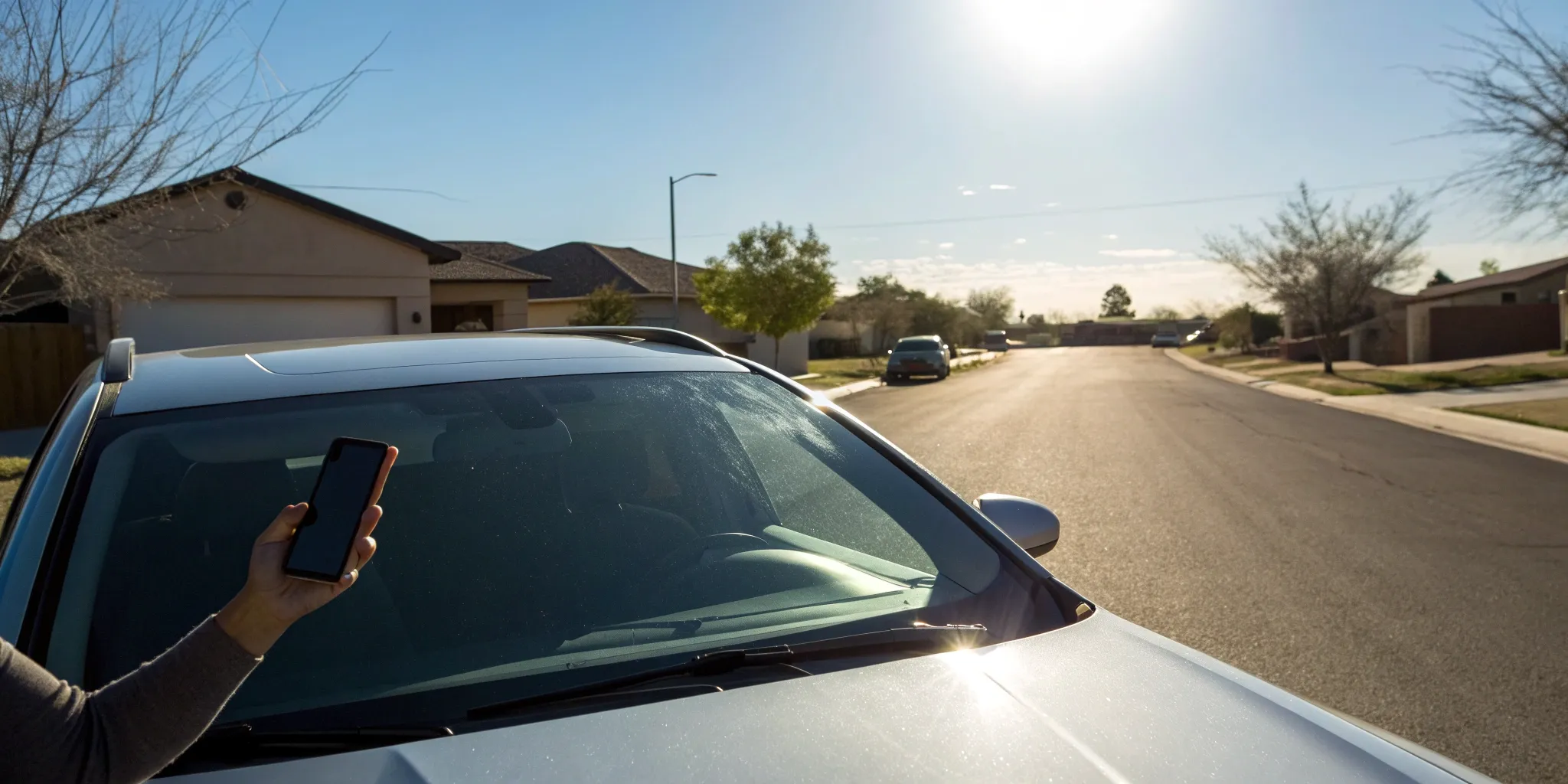
One of the biggest myths about auto glass repair is that filing a claim will automatically cause your insurance rates to go up. This fear prevents many people from using the comprehensive coverage they already pay for. The truth is, most insurers treat glass damage as a “no-fault” incident, meaning it’s unlikely to impact your premiums. Navigating the world of insurance can feel tricky, but you have more control than you think. This article will empower you with the facts you need to confidently handle your auto glass insurance claim, from understanding your right to choose your own repair shop to knowing when a critical safety recalibration is covered.
Key Takeaways
- Check Your Comprehensive Coverage First: Your auto insurance policy will likely cover glass repairs or replacements, and filing a claim for this type of “no-fault” damage typically won’t affect your premiums. Understanding your deductible is key to deciding whether to file a claim or pay out-of-pocket.
- Make the Repair Shop Your First Call: You have the right to choose your repair shop, and the best ones will manage the entire insurance claim for you. Prioritize shops that offer the convenience of mobile service and have certified technicians who can perform critical safety recalibrations for modern vehicles.
- Address Small Chips Immediately to Save Money: A small chip can quickly spread into a large crack, leading to a more expensive replacement. Acting fast on repairs is the most effective way to save money, especially since your insurance may cover the full cost of a chip repair without you paying a deductible.
Does Your Insurance Cover Auto Glass?
Dealing with a cracked windshield or shattered window is stressful enough without having to worry about the cost. The good news is that your auto insurance policy will often cover the expense of a repair or replacement. Most of the time, this falls under your comprehensive coverage, which is designed for damage that isn’t caused by a collision—think falling tree branches, road debris, or even vandalism. It’s the part of your policy that handles the unexpected.
The key is to understand what your specific policy includes before you need it. A quick look at your insurance documents or a call to your agent can clear things up and save you from surprises down the line. Knowing your coverage details ahead of time makes the process much smoother when you need a repair. At Winaffix, we work with all major insurance providers and can help you with the auto glass claims process, so you can get back on the road without the headache. We’ll handle the paperwork and direct billing, making it as simple as possible for you. Our goal is to get your glass fixed quickly and correctly, with minimal disruption to your day.
Know Your Coverage Options
The first step is to check if you have comprehensive coverage. This is an optional part of your auto insurance policy that covers damage to your vehicle from non-collision events. If a rock flies up and chips your windshield or a hailstorm leaves a crack, comprehensive coverage is what you’ll use. It’s separate from collision coverage, which handles damage from an accident with another car or object. If you’re not sure what you have, pull up your policy online or give your insurance agent a quick call. They can confirm your coverage and explain the specifics.
What’s Usually Included
Once you confirm you have comprehensive coverage, you’ll find that most glass damage is included. For small issues, like a chip or a short crack, many insurance companies will pay 100% for a windshield chip repair and even waive your deductible. They do this because a timely repair prevents the damage from spreading and leading to a more expensive full replacement later. If the damage is too large to repair and you need a new windshield, your comprehensive coverage will still apply, but you will likely have to pay your deductible first.
Don’t Fall for These Coverage Myths
A common worry is that filing an auto glass claim will make your insurance rates go up. In most cases, this isn’t true. Insurance companies typically view glass damage as a “no-fault” claim because it’s usually caused by random events outside of your control, like flying debris on the highway. As a result, a single glass claim is unlikely to affect your premiums. Don’t let this myth stop you from using the coverage you pay for. It’s always a good idea to confirm with your agent, but generally, you can file a claim with confidence.
Check Your State’s Requirements
Insurance regulations can vary from one state to another, which can affect your auto glass coverage. Some states have what’s known as “full glass” or “zero deductible” laws, which require insurance companies to cover the full cost of windshield repairs or replacements without you having to pay a deductible. Because these rules aren’t universal, it’s important to understand what applies in your state. The best way to get clear, accurate information is to review your policy details or have a conversation with your insurance provider about your specific coverage.
How Deductibles Affect Your Cost
Your deductible is the amount you agree to pay out of pocket before your insurance coverage kicks in. For example, if your deductible is $250 and a full windshield replacement costs $700, you would pay the first $250, and your insurer would cover the remaining $450. If the repair cost is less than your deductible, it makes more sense to pay for it yourself. However, since many insurers waive the deductible for minor chip repairs, it’s almost always worth it to file a claim for those. We can help you figure out the best option based on your deductible and the extent of the damage.
How to File Your Auto Glass Claim
Dealing with a cracked windshield is stressful enough without adding insurance paperwork to the mix. The good news is that filing an auto glass claim is usually more straightforward than you think, especially when you have a trusted partner to help. Let’s walk through the steps to get your glass fixed and your claim filed with as little hassle as possible.
Gather the Right Paperwork
Before you make any calls, take a minute to collect a few key pieces of information. This will make the process much smoother, whether you contact your insurance agent first or call us directly. You’ll want to have your insurance policy number handy, along with basic details about your vehicle, like the year, make, model, and VIN. It’s also helpful to know when and how the damage occurred. If you’ve already started a claim and have a claim number, keep that nearby. Having this information ready will speed things up and get your repair scheduled faster.
Follow This Step-by-Step Guide
Once you have your information, you have a few options. You can call your insurance agent or file a claim on your provider’s website. However, the easiest first step is often just to call your auto glass shop. At Winaffix, we handle these claims every day. You can simply get a quote from us, and we can start the insurance process for you. We’ll confirm the details of the damage, collect your insurance information, and figure out the next steps together, saving you a phone call and a potential headache.
How to Work with Your Insurance Company
You don’t have to manage the back-and-forth with your insurance provider alone. We can contact them for you, verify your coverage, and handle all the necessary paperwork. Our team is experienced in working with all major insurance companies, so we know exactly what they need to process your claim quickly. Our goal is to make the auto glass claims process completely seamless for you. We’ll coordinate everything so you can focus on your day while we get your vehicle ready to go.
Understand Your Payment Options
Your insurance coverage will determine your out-of-pocket cost. If your comprehensive policy includes full glass coverage, you might not have to pay anything. If you have a deductible, you’ll be responsible for that amount. Sometimes, if the cost of the repair is less than your deductible, it makes more sense to pay for the service yourself. We’re always transparent about pricing and can help you understand your options so you can make the best financial decision without any surprises.
Why ADAS Recalibration is a Must
If your car has modern safety features like lane-keeping assist or automatic emergency braking, it has an Advanced Driver-Assistance System (ADAS). These systems rely on cameras mounted to your windshield. After a windshield replacement, it’s essential to have this system recalibrated to ensure it functions correctly. This isn’t an upsell; it’s a critical safety step. The good news is that windshield recalibration is typically considered part of the replacement and is often covered by your insurance policy. We’ll always let you know if your vehicle requires this service.
Make Your Claim Process Easier
Feeling overwhelmed? Let us simplify things. You don’t need to call your insurance company before contacting us. In fact, making us your first call is the most efficient way to handle your repair. We can verify your coverage, file the claim on your behalf, and manage all the paperwork from start to finish. We’ll schedule your mobile service, complete the repair or replacement, and bill your insurance company directly. Your only job is to tell us where you are, and we’ll take care of the rest.
How a Claim Affects Your Costs and Insurance
Deciding whether to file an insurance claim for auto glass damage can feel complicated, but it doesn’t have to be. Understanding how a claim impacts your costs and your policy is the first step toward making a smart financial decision. It’s all about weighing the repair cost against your deductible and knowing what your policy truly covers. Let’s break down what you need to consider so you can handle your auto glass issue with confidence and keep your budget on track.
What Determines the Repair Cost?
Several factors influence the final bill for your auto glass service. The extent of the damage is the most obvious one—a small chip repair will cost significantly less than a full windshield replacement. The type of vehicle you drive also plays a big role, as luxury or exotic vehicles often require specialized glass and handling. If your car has an Advanced Driver-Assistance System (ADAS), the camera connected to your windshield will need a professional windshield recalibration after a replacement, which adds to the cost. Your insurance deductible is the final piece of the puzzle. If your deductible is higher than the repair cost, you’ll want to think about paying for the service yourself.
Should You Pay Out-of-Pocket or Use Insurance?
This is the core question for many drivers. The answer usually comes down to simple math. Start by getting a clear quote for the repair. Once you have that number, compare it to your insurance deductible. If the cost to fix your glass is less than your deductible, it almost always makes more sense to pay out-of-pocket. Filing a claim in this scenario won’t save you any money, since you’d be responsible for the full amount up to your deductible anyway. Paying directly avoids involving your insurance company for a minor expense and keeps the process straightforward and quick.
Will Your Insurance Premiums Go Up?
It’s natural to worry that filing any claim will cause your insurance rates to spike. The good news is that, in most cases, a glass claim won’t affect your premiums. That’s because auto glass damage is typically considered a “no-fault” incident caused by things outside your control, like a rock flying up from the road or a sudden hailstorm. Insurance companies usually don’t penalize you for these kinds of comprehensive claims. While every policy is different, you can generally file for a windshield replacement without fearing a rate hike.
Watch Out for Hidden Costs
Before you move forward with a claim, take a moment to review your policy details or call your agent. You want to be sure you understand exactly what’s covered. For example, does your policy cover the full cost of OEM (Original Equipment Manufacturer) glass, or does it only apply to aftermarket glass? Also, confirm that services like ADAS recalibration are included, as this is a critical safety step that can sometimes be overlooked. At Winaffix, we are happy to help you understand your coverage and can work directly with your insurance provider to clarify any details, ensuring there are no surprises on your final bill.
Simple Ways to Save Money
One of the easiest ways to save is by catching damage early. Many insurance companies will waive your deductible for a windshield chip repair, making the service completely free for you. They do this because repairing a small chip is much cheaper than replacing the entire windshield later on. If you have comprehensive coverage, check with your provider to see if they offer this benefit. Acting quickly not only prevents the chip from spreading but can also save you from paying anything out-of-pocket. It’s a simple step that protects both your windshield and your wallet.
How to Choose the Right Auto Glass Shop
When your windshield cracks or a window shatters, finding a trustworthy repair shop can feel overwhelming. You want someone who is fast, reliable, and does the job right the first time. The shop you choose makes all the difference in the safety and quality of your repair. Making an informed decision means looking beyond just the price tag. It’s about finding a team that values quality materials, expert craftsmanship, and your convenience. Here are the key things to consider to ensure you’re putting your vehicle in the best hands.
Do You Need an Insurance-Approved Shop?
Many drivers think they have to use a shop recommended by their insurance provider, but you almost always have the right to choose your own. The most important thing is to find a shop that works with your insurance company to make the process smooth. At Winaffix, we handle auto glass claims with all major insurers, managing the paperwork so you don’t have to. Many insurance policies cover glass damage without it counting as a claim that will raise your rates, but it’s always a good idea to check your specific policy details just to be sure.
The Convenience of Mobile Service
Your day is busy enough without adding a trip to an auto glass shop. That’s where mobile service becomes a game-changer. Instead of rearranging your schedule, you can have certified technicians come directly to your home, office, or another convenient location. This saves you valuable time and lets you get on with your day while your vehicle is being repaired. We offer a fast and reliable
Look for Quality Work and a Solid Warranty
A quality repair starts with quality materials and experienced technicians. Ask potential shops if they use OEM (Original Equipment Manufacturer) or OEE (Original Equipment Equivalent) glass, which ensures a perfect fit and meets safety standards. A reputable shop will also stand behind its work with a solid warranty. This is your assurance that the repair or replacement was done correctly and will last. Reading customer reviews can also give you great insight into a shop’s commitment to quality and service. A history of happy customers is one of the best indicators of a reliable business.
Why Professional Certifications Matter
How can you be sure the technician working on your car is a true professional? Look for certifications. Organizations like the Auto Glass Safety Council (AGSC) certify technicians who have demonstrated a high level of knowledge and adhere to strict safety and quality standards. Choosing a shop with certified technicians means your auto glass will be installed correctly, protecting the structural integrity of your vehicle and ensuring your safety. It’s a clear sign that the shop invests in training and is serious about its craft, giving you peace of mind that the job is done right.
Check for Advanced Technology
Modern vehicles are packed with Advanced Driver-Assistance Systems (ADAS) like lane departure warnings and automatic emergency braking. Many of these systems rely on cameras mounted to the windshield. After a windshield replacement, this system must be precisely recalibrated to function correctly. Not all shops have the technology to perform this essential service. Make sure the shop you choose offers windshield recalibration to ensure your car’s safety features work as intended. This service is often covered by comprehensive insurance as part of the replacement, so there’s no reason to skip this critical safety step.
Keep Your Auto Glass in Great Shape
Taking care of your auto glass isn’t just about keeping it clean—it’s about safety and preventing small issues from becoming costly replacements. A little proactive maintenance can save you a lot of hassle down the road. By understanding what to do when damage occurs and how to protect your glass from daily wear and tear, you can extend its life and keep your view of the road crystal clear. Here are some straightforward tips to help you maintain your vehicle’s glass.
What to Do Right After Your Glass Gets Damaged
That sinking feeling when you see a new chip or crack is universal. The first few moments are key to preventing more damage. If a rock chips your windshield, try to keep the area clean and dry until you can get it repaired. For a completely broken window, your priority is protecting your car’s interior. If you can, park it in a garage. If not, cover the opening securely with heavy-duty plastic and tape to keep out rain and debris. Acting quickly can make all the difference, so don’t wait to schedule a professional inspection.
Easy Maintenance Tips
A few simple habits can go a long way in preserving your auto glass. First, address any damage immediately. A tiny chip might seem harmless, but vibrations from driving and temperature changes can cause it to spread into a large crack, turning a simple fix into a full replacement. Prompt windshield chip repairs are your best defense. Second, replace your windshield wipers regularly, about once a year. Worn-out wipers don’t just streak; their hardened rubber and exposed metal can scratch your windshield over time, permanently damaging the glass and impairing your vision.
Don’t Overlook These Safety Issues
Your windshield does more than just block wind—it’s a critical safety component that supports the vehicle’s roof in a rollover. That’s why you should avoid things that can weaken it, like sudden temperature changes. Blasting the AC on a scorching hot windshield or pouring hot water on an icy one can cause thermal shock, turning a tiny, invisible flaw into a major crack. Be gentle with temperature adjustments. Let your car warm up or cool down gradually. This simple precaution helps maintain the structural integrity of the glass and keeps you safer on the road.
How to Protect Your Glass for the Long Haul
Want to be proactive? A couple of smart investments can help shield your auto glass from everyday hazards. Consider a windshield protection film, which is a clear, durable layer applied to the exterior of your windshield. It acts as a barrier, absorbing the impact from small rocks and road debris that would otherwise cause chips and scratches. Another great tool is a quality sunshade. Parking in direct sunlight for hours can heat your windshield and dashboard to extreme temperatures, putting stress on the glass. A sunshade keeps things cooler, reducing the risk of stress cracks.
When to Get a Professional Inspection
It can be tempting to ignore a small chip, but it’s always best to let a professional take a look. Even minor damage can compromise the safety and integrity of your auto glass. A trained technician can assess the chip or crack to determine if a simple repair will suffice or if a full windshield replacement is necessary for your safety. If you notice any damage, no matter how small, contact a trusted auto glass shop right away. A quick inspection can prevent the damage from spreading and ensure your vehicle is safe to drive.
Related Articles
- Reliable Auto Glass Insurance Claims | Winaffix Auto Glass
- Does Insurance Cover Windshield Replacement? A Guide
- Broken Car Window Repair Cost: How Much to Pay
- Auto Glass Car Window Replacement: Cost & Process
Frequently Asked Questions
Will filing an auto glass claim make my insurance rates go up? This is a common worry, but you can usually relax. Most insurance providers classify auto glass damage as a “no-fault” comprehensive claim because it’s caused by things outside your control, like random road debris. As a result, a single glass claim is very unlikely to have any impact on your insurance premiums. It’s always a good idea to confirm the specifics of your policy, but don’t let this fear stop you from using the coverage you pay for.
Should I call my insurance company first, or can I just call you? You can make things much easier on yourself by calling us first. We handle insurance claims every day and can manage the entire process for you. Just give us your policy information, and we’ll contact your insurance provider, verify your coverage, handle all the paperwork, and bill them directly. It saves you time and a potential headache, letting you get back to your day while we take care of the details.
How do I know if I need a simple repair or a full windshield replacement? Generally, small chips and cracks—often those smaller than a dollar bill—can be repaired. However, the final decision depends on the damage’s size, type, and location. For example, a crack in the driver’s line of sight or near the edge of the windshield almost always requires a full replacement for safety reasons. Our certified technicians will assess the damage and recommend the safest, most effective solution for your vehicle.
What if the cost to fix my glass is less than my deductible? This is where a little math comes in handy. If your comprehensive deductible is $500 and a chip repair costs $100, it makes more sense to pay for the service yourself. Filing a claim wouldn’t provide any financial benefit since you’re responsible for the costs up to your deductible amount anyway. We are always transparent with our pricing and can give you a clear quote to help you make the best financial choice.
Do I really need my car’s safety system recalibrated after a windshield replacement? Yes, absolutely. If your car has features like lane-keeping assist or automatic braking, its cameras are mounted directly to the windshield. When we install a new windshield, that camera’s position shifts slightly. Recalibration is the process of precisely realigning the camera to factory specifications. Skipping this step means your car’s most important safety features won’t work correctly, so we consider it an essential part of any modern windshield replacement.
